🌈 Sensory Play Toys: Unlock Your Child's Potential
Explore the best sensory toys for babies, toddlers, and children. Boost cognitive development, fine motor skills, and emotional regulation through play.
Shop Sensory Toys →What is Sensory Play?
Sensory play involves any activity that stimulates a child's senses: touch, smell, taste, sight, hearing, and movement. It helps build neural pathways, improves problem-solving skills, and fosters creativity. From sensory bins to textured toys, these experiences are vital for healthy development. Play mats and teething toys are excellent starting points for infants.
Key Benefits of Sensory Play
🧠 Cognitive Growth
Enhances memory, problem-solving, and decision-making by exploring new textures, sounds, and movements.
✋ Fine Motor Skills
Manipulating small objects like magnetic blocks or squishy toys strengthens hand muscles and coordination.
😌 Emotional Regulation
Calming textures like mochi squishies or pillow animals help children self-soothe and manage anxiety.
🗣️ Language Development
Describing sensations and actions during play builds vocabulary and communication skills.
Types of Sensory Play Toys
🧩 Tactile Toys
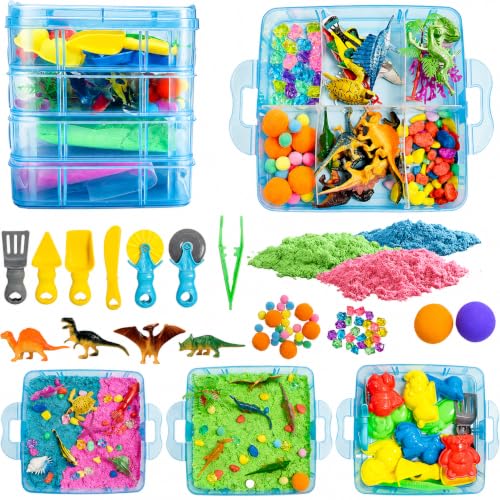
Textured balls, ball pit balls, kinetic sand, and play dough that stimulate the sense of touch.
👂 Auditory Toys
Musical instruments, rattles, and crinkle toys that develop hearing and rhythm recognition.
👀 Visual Toys
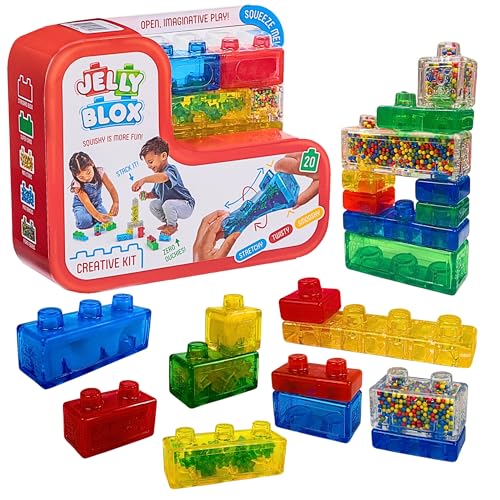
Light-up toys, magnetic games, and colorful building blocks that engage sight and focus.
🤸 Movement Toys
Rocking horses, swing sets, and balance boards that develop vestibular and proprioceptive systems.
🧘 Calming Toys
Stress balls, mochi squishies, and weighted plushies that provide comfort and focus.
🌿 Nature-Based
Wooden stackers, nesting dolls, and natural materials that connect children with the environment.
How to Choose the Right Sensory Toy
1. Age Appropriateness: For infants, choose play mats and baby gyms. Toddlers benefit from magnetic blocks and sensory bins. Older kids enjoy magnetic games and building sets.
2. Interests: If your child loves water, consider pool floats or water toys. For budding builders, wooden blocks or magnetic tiles are ideal.
3. Safety: Always check for choking hazards, non-toxic materials, and age recommendations. Look for safety certifications.
4. Sensory Needs: For calming, choose squishy toys or plush friends. For stimulation, opt for light-up toys or musical instruments.
Frequently Asked Questions
What age is best to start sensory play?
From birth! Newborns benefit from black-and-white patterns and gentle rattles. As they grow, introduce teethers, tummy time toys, and textured balls.
Are sensory toys only for children with autism?
Not at all. All children benefit from sensory play. It supports brain development, motor skills, and emotional well-being. Many fidget toys are popular across all neurotypes.
How do I clean sensory toys?
Most plastic toys can be wiped with soapy water. Fabric toys should be machine-washed if possible. Always follow manufacturer guidelines. For ball pit balls, use a gentle disinfectant.
Ready to find the perfect sensory toys for your child?
Shop Sensory Toys Now