Age Appropriate Toys: A Complete Guide for Every Stage
Match the right toy to every developmental milestone — from first rattles to complex building sets. Expert guidance for confident, informed toy choices.
EXPLORE AGE STAGES🧸 Why Age Matters: Choosing age appropriate toys is one of the most effective ways to support a child's development while keeping play safe and enjoyable. The right toy at the right stage builds confidence, sharpens skills, and sparks curiosity. The wrong one can frustrate, bore, or even pose a hazard. This guide breaks down what to look for at every age.
Understanding Age Appropriate Toys
Age recommendations on toy packaging are more than a legal formality — they reflect a manufacturer's assessment of a toy's safety profile, complexity, and suitability for a child's developmental abilities. A toy labeled for ages three and up may contain small parts that pose a choking risk to a two-year-old. A building set designed for older children may require fine motor control and planning that younger kids have not yet developed.
But age is only one part of the picture. Child development is not a rigid timetable. Two children of the same age can be at very different points in their physical, cognitive, and social growth. The best approach is to treat age recommendations as a starting guide, then observe your child's individual abilities and interests. For more detailed breakdowns, explore our guides on toys for 1-2 year olds and toys for 5 year olds.
This page walks through each major developmental stage, explains what skills are emerging, and recommends toy categories that match. It also covers the safety standards that make age labeling meaningful and offers practical buying advice for parents and gift-givers.
Toys by Developmental Stage
The following sections group toys by broad age ranges that correspond to well-established developmental milestones. Each stage highlights the key skills children are building and the toy types that best support them.
0–6 Months: Sensory Discovery
Newborns and young infants are learning to focus their eyes, track movement, and explore through touch and sound. High-contrast patterns, soft textures, and gentle sounds are ideal. Activity gyms and play mats give babies a safe space to kick, reach, and bat at hanging toys.
6–12 Months: Active Exploration
Babies begin sitting, crawling, and eventually pulling to stand. They love cause-and-effect toys — press a button, hear a sound; stack a ring, knock it down. Teething toys and soft books support mouthing and early language exposure.
12–24 Months: Movement & Imitation
Toddlers are walking, climbing, and starting to imitate adult actions. Push-and-pull toys, simple shape sorters, and large building blocks build coordination. Pretend play begins with toy phones, play food, and dolls.
2–3 Years: Language & Imagination
Vocabulary expands rapidly, and pretend play becomes richer. Play kitchens, tool sets, and dress-up costumes let toddlers act out scenes. Simple puzzles and art supplies support fine motor skills and creative expression.
3–5 Years: Social Play & Problem Solving
Preschoolers begin cooperative play, sharing, and taking turns. Board games, building sets with more intricate pieces, and craft kits develop patience and planning. Outdoor toys like ride-ons and sandbox sets channel energy.
6–8 Years: Mastery & Rules
School-age children enjoy mastering skills — reading, math, and physical challenges. STEM kits, strategy games, and model-building sets reward focus and persistence. Sports equipment and remote-control toys build coordination.
Key Toy Categories and Their Developmental Benefits
Different toy categories exercise different skills. Understanding these connections helps you build a balanced toy collection that supports physical, cognitive, and social growth.
Building and Construction Toys
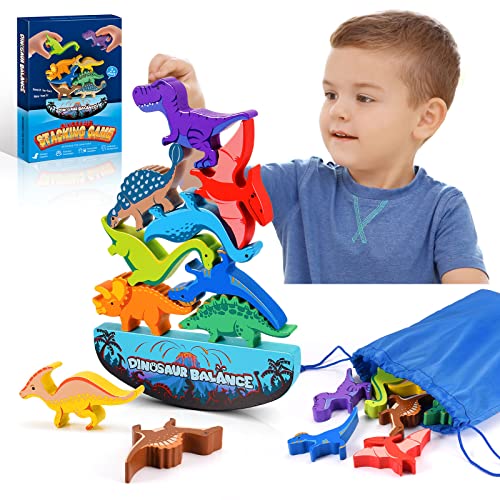
Building blocks, magnetic tiles, and construction sets develop spatial reasoning, fine motor control, and problem-solving. They also teach patience and persistence — a tower that falls is a chance to try again. For younger children, large soft blocks reduce frustration. Older kids can graduate to complex sets with gears, motors, and detailed instructions. Compare options in our building set comparison guide.
Pretend Play and Dolls
Pretend play — whether with dolls, action figures, play kitchens, or costumes — builds language, empathy, and narrative thinking. Children practice social roles and work through emotions. For toddlers, simple baby dolls and soft plush toys are ideal. Preschoolers enjoy more elaborate playsets. School-age children may gravitate toward action figures and themed playsets that let them recreate stories.
Educational and STEM Toys
Educational toys make learning feel like play. Alphabet puzzles, counting games, and simple science kits introduce early math and literacy concepts. As children grow, coding toys, robotics kits, and microscope sets offer deeper exploration. The key is matching the challenge to the child's current level — too easy and it's boring; too hard and it's frustrating. Our guide to best learning toys covers options across the age spectrum.
Outdoor and Active Toys
Physical play is essential for health, coordination, and confidence. Ride-on toys, tricycles, scooters, and sports equipment get kids moving. Sandboxes, water tables, and playhouses encourage sensory exploration and imaginative play outdoors. For ideas on setting up a backyard play space, see our backyard toys for preschoolers guide.
Toy Safety and Age Labeling: What Parents Need to Know
Age labels are not arbitrary. They are tied to safety standards that manufacturers must meet. In the United States, toys intended for children under 12 must comply with the Consumer Product Safety Commission (CPSC) regulations, including limits on lead, phthalates, and small parts. The European Union has its own EN 71 standards, and other regions have similar frameworks.
The most critical safety issue for young children is choking risk. Toys for children under three must not contain small parts that could block a child's airway. Small parts testers — cylinders that approximate a child's throat — are used to verify compliance. Even toys marketed for older children should be kept away from younger siblings.
Other safety considerations include:
- Magnets: High-powered magnets can cause serious internal injuries if swallowed. They are not suitable for young children.
- Button batteries: These can cause severe burns if swallowed. Check that battery compartments are securely fastened.
- Sharp edges and points: Inspect toys for rough edges, especially on metal or wooden items.
- Non-toxic materials: Look for toys that comply with material safety standards, especially for items that go into mouths.
- Recalls: Stay informed about toy recalls through official channels and check second-hand toys carefully.
Supervision is always important, especially for children under three. No toy is a substitute for attentive caregiving.
How to Choose Age Appropriate Toys: A Practical Framework
Beyond the age on the box, consider these factors when selecting toys:
| Consideration | What to Look For | Why It Matters |
|---|---|---|
| Developmental Match | Toys that target skills the child is currently practicing — sitting, grasping, stacking, or role-playing. | Supports natural growth without frustration. |
| Safety Certification | Compliance marks such as ASTM F963 (US), EN 71 (EU), or equivalent regional standards. | Indicates the toy has passed recognized safety testing. |
| Material Quality | Non-toxic finishes, sturdy construction, and smooth edges. Wooden toys should use water-based paints. | Reduces exposure to harmful substances and injury risk. |
| Open-Ended Play Potential | Toys that can be used in multiple ways — blocks, art supplies, pretend-play props. | Extends play value and grows with the child. |
| Durability | Reinforced joints, solid build, and resistance to wear. | A worthwhile long-term investment that withstands active play. |
| Child's Interest | Topics, characters, or activities the child is naturally drawn to. | Engaged children play longer and learn more. |
When comparing toys within a category, think in terms of tiers rather than specific figures. An entry-level building set might have basic pieces and simple instructions, while a top-tier set offers specialized components, detailed guides, and greater longevity. Mid-range options often strike a balance between variety and simplicity. The best choice depends on the child's experience level and the intended frequency of use.
Building a Balanced Toy Collection
A well-rounded toy collection doesn't need to be large. Variety across categories matters more than volume. Aim for a mix of:
- Construction toys for problem-solving and spatial skills
- Pretend-play items for language and social development
- Art and sensory materials for creativity and fine motor practice
- Active toys for gross motor development and energy release
- Books and puzzles for quiet focus and early literacy
Rotating toys — keeping some in storage and swapping them out periodically — keeps play fresh and reduces clutter. Our playroom organization guide offers practical storage and rotation strategies.
Ready to Find the Perfect Toy?
Explore our hand-picked recommendations for age appropriate toys below. Each selection is chosen to match developmental stages and support safe, joyful play.
VIEW RECOMMENDED TOYSFrequently Asked Questions
Why are age appropriate toys important for child development?
Age appropriate toys match a child's developmental stage, helping them build skills safely and confidently. They prevent frustration from toys that are too advanced and reduce injury risk from toys with small parts or complex mechanisms that a younger child cannot handle safely.
How do I choose safe toys for my child's age?
Always check the age recommendation on the packaging, look for safety certifications such as ASTM F963 or EN 71, avoid small parts for children under three, and supervise play. Choose toys made from non-toxic materials and check for recalls regularly.
What toys are best for babies under one year?
Babies under one benefit from sensory toys, activity gyms, soft rattles, teething toys, and board books. These support visual tracking, motor development, and sensory exploration while being safe for mouthing.
When should I introduce building blocks to my child?
Large, soft building blocks can be introduced around 12 to 18 months for simple stacking. Smaller construction sets with intricate pieces are better suited for children aged three and above, once fine motor skills and the ability to avoid choking hazards have developed.
Are expensive toys always better for development?
No. Developmental value comes from how well a toy matches a child's stage and interests, not from its position in the market. Simple, open-ended toys like blocks, balls, and art supplies often provide more lasting developmental benefit than complex electronic toys. Focus on quality, safety, and suitability rather than tier.