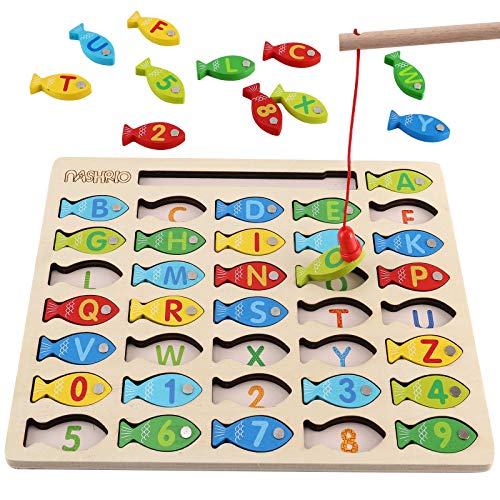
🧩 Puzzles for Preschoolers: Fun That Builds Young Minds
Discover the best puzzles for preschool children that combine fun with essential skill development. From wooden puzzles to jigsaws, find the perfect match for your little learner.
🧠 Cognitive Skills
Boosts memory, concentration, and logical thinking through pattern recognition and problem-solving.
✋ Fine Motor Skills
Improves hand-eye coordination and dexterity as little hands grasp, turn, and fit pieces together.
🔤 Language & Vocabulary
Encourages naming objects, colors, and shapes, expanding your child's vocabulary naturally.
😌 Patience & Focus
Teaches perseverance and the reward of completing a task, building confidence and resilience.
Why Puzzles Are Perfect for Preschoolers
Preschoolers are at a magical stage of development where they are curious about everything and eager to learn. Puzzles for preschoolers are more than just a fun pastime; they are powerful educational tools. When a child works on a puzzle, they are engaging multiple areas of their brain simultaneously. They must recognize shapes, remember colors, and think spatially to fit pieces together. This process is fundamental for developing early math and reading readiness.
At ages 3 to 5, children benefit greatly from puzzles that challenge them just enough to be interesting but not so difficult that they become frustrated. Starting with simple peg puzzles or chunky wooden puzzles with large pieces is ideal for younger preschoolers. As their skills grow, you can introduce more complex jigsaw puzzles or themed puzzles featuring their favorite characters or animals. The sense of accomplishment a child feels when they complete a puzzle is invaluable for building self-esteem.
Beyond cognitive development, puzzles are also excellent for social-emotional learning. When children do puzzles together or with a parent, they learn about cooperation, sharing, and taking turns. This makes puzzles a wonderful addition to any playroom organization plan, providing both independent and interactive play opportunities.
Choosing the Right Puzzle for Your Preschooler
Not all puzzles are created equal. The best puzzle for your child depends on their age, interests, and current skill level. Here’s a breakdown of the most popular types of preschool puzzles:
Wooden Peg Puzzles
Classic and durable, these feature chunky pieces with small pegs for easy grasping. Ideal for developing fine motor skills and shape recognition.
Jigsaw Puzzles
Available in various piece counts (from 4 to 24 pieces), these help with problem-solving and spatial awareness. Choose large, sturdy pieces for little hands.
Sound Puzzles
These interactive puzzles make a sound when the correct piece is placed, adding an auditory element that reinforces learning and keeps kids engaged.
Floor Puzzles
Large, colorful puzzles designed to be assembled on the floor. These are great for group play and encourage gross motor movement.
Magnetic Puzzles
Perfect for travel or on-the-go fun. Pieces stick to a magnetic board, reducing the risk of losing pieces and making them ideal for car trips.
Personalized Puzzles
Custom puzzles featuring a child's name, photo, or favorite theme. These make unique gifts and can be especially motivating for young children.
🧩 Top Tips for Puzzle Success with Preschoolers
- Start Simple: Begin with puzzles that have fewer, larger pieces to avoid frustration and build confidence.
- Choose Engaging Themes: Pick puzzles featuring animals, vehicles, or favorite characters to maintain your child's interest.
- Puzzle Together: Sit with your child and offer gentle guidance. Ask questions like "Where do you think this piece goes?" to encourage thinking.
- Celebrate Completion: Always praise the effort and the final result. A positive experience makes them want to try again.
- Rotate Puzzles: Keep puzzle time fresh by rotating a selection of puzzles. This prevents boredom and extends the life of each toy.
- Create a Puzzle Station: Designate a specific area in your playroom for puzzles, making it easy for your child to access and work on them independently.
Safety First: Choosing Safe Puzzles for Preschoolers
When selecting puzzles for preschoolers, safety should always be a top priority. Look for puzzles that are made from non-toxic materials, especially if your child is still prone to putting things in their mouths. Wooden puzzles with smooth, splinter-free edges are an excellent choice. For wooden toys and puzzles, ensure they are coated with child-safe paints or finishes.
Always check the age recommendations on the puzzle packaging. Puzzles with small parts can be a choking hazard for younger children. For preschoolers, pieces should be large enough that they cannot be swallowed or lodged in a child's airway. Additionally, ensure that puzzle pieces are durable and won't easily break into sharp fragments. Regularly inspect puzzles for wear and tear, and discard any that are damaged.
By prioritizing safety, you can ensure that puzzle time remains a positive and healthy activity for your child. You can learn more about general toy safety guidelines to help you make informed decisions when choosing any toy for your little one.
Frequently Asked Questions About Preschool Puzzles
At what age should I introduce puzzles to my child?
You can introduce simple wooden peg puzzles as early as 12-18 months. For traditional jigsaw puzzles, many preschoolers start enjoying them around age 2.5 to 3 years with large-piece puzzles.
How many pieces should a puzzle for a 3-year-old have?
For a 3-year-old, start with puzzles with 4 to 6 large pieces. As they master those, gradually increase to 8 or 12 pieces. By age 4-5, many children can handle puzzles with 20 to 30 pieces or more.
Are wooden puzzles better than cardboard puzzles?
Both have advantages. Wooden puzzles are more durable and often feature thicker, easier-to-grasp pieces. Cardboard puzzles can offer more detailed images and are often more affordable. For preschoolers, wooden puzzles are often recommended for their durability and ease of use.
How do puzzles help with a child's development?
Puzzles support cognitive development by enhancing problem-solving, memory, and spatial awareness. They also promote fine motor skills, hand-eye coordination, and can even help with early literacy and math concepts through shape and pattern recognition.
Can puzzles help a child with autism or ADHD?
Yes, many children with autism or ADHD find puzzles calming and focusing. The structured, repetitive nature of puzzle-solving can be soothing and can help improve concentration and fine motor skills.