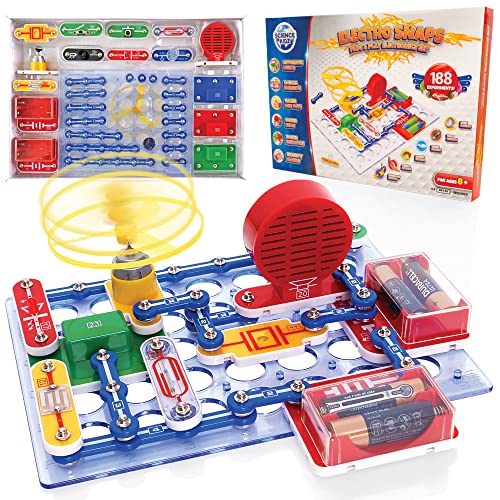
⚡ Electronics Kits for Kids
Discover the best electronics kits that teach circuits, coding, and robotics through hands-on projects. Perfect for budding engineers and curious minds aged 8 and up.
Shop Electronics Kits →🔌 Why Electronics Kits? Electronics kits are more than just toys — they are gateways to understanding how the world works. From building a simple circuit to programming a robot, these STEM kits develop critical thinking, problem-solving, and creativity. Whether your child dreams of becoming an engineer or just loves taking things apart, there's an electronics kit for every skill level.
Hands-On Learning
Build real circuits and see electronics principles in action.
Robotics & Coding
Learn to program robots and understand automation basics.
STEM Skills
Develop critical thinking, logic, and engineering skills.
What to Look for in an Electronics Kit
Choosing the right electronics kit depends on your child's age, interests, and experience level. For beginners, look for kits with snap-together components and clear instructions. Advanced kits offer microcontrollers, sensors, and programmable modules for deeper exploration.
Types of Electronics Kits
- Circuit Building Kits: Basic kits with resistors, LEDs, switches, and buzzers to build simple circuits. Great for ages 8+.
- Robotics Kits: Build and program robots using motors, sensors, and controllers. Ideal for ages 10+.
- Coding Kits: Learn programming through interactive projects using Arduino, Raspberry Pi, or micro:bit platforms.
- Radio & Communication Kits: Explore wireless technology by building radios, transmitters, and receivers.
- Solar & Renewable Energy Kits: Understand green energy by building solar-powered cars or wind turbines.
For younger children (ages 6–8), consider science kits for kids or STEM toys that introduce basic electronics concepts through safe, guided projects. Older kids and teens can dive into more advanced kits, including robotics kits and coding toys that teach real-world programming skills.
Key Features to Consider
- Age Appropriateness: Check the recommended age range and safety certifications.
- Number of Projects: Kits with multiple projects offer better value and longer engagement.
- Instructions & Support: Look for detailed manuals, online tutorials, and community forums.
- Expandability: Some kits allow you to add components or upgrade to more advanced systems.
- Batteries & Tools: Check whether batteries, soldering iron, or additional tools are included or required.
If you're looking for educational toys that go beyond electronics, explore our comprehensive educational toys collection, which includes microscope and telescope toys, chemistry sets, and math toys to round out your child's learning journey.
Comparing Popular Electronics Kits
| Kit Type | Age Range | Key Features | Typical Price |
|---|---|---|---|
| Snap Circuits Jr. | 8+ | Snap-together components, 100+ projects | $45–$60 |
| Arduino Starter Kit | 12+ | Microcontroller, sensors, LEDs, motors | $80–$120 |
| LEGO Boost Robotics | 7–12 | Build programmable robots with LEGO | $150+ |
| Raspberry Pi Kit | 12+ | Full computer, coding & electronics projects | $100–$200 |
| LittleBits Base Kit | 8+ | Magnetic snap modules, no soldering | $100–$150 |
For parents seeking toy gift guides or gifts for school age kids, an electronics kit is a thoughtful present that combines fun with education. Teens interested in technology might also enjoy model kits for adults or RC toys as complementary hobbies.
Tips for Getting Started with Electronics Kits
- Start Simple: Choose a beginner kit with 10–20 projects to build confidence.
- Supervise Younger Kids: Some kits contain small parts or require soldering.
- Encourage Experimentation: Let kids modify projects and explore their own ideas.
- Combine with Online Resources: Many kits have companion apps, video tutorials, and coding platforms.
- Make It Social: Work on projects together or with friends for collaborative learning.
After mastering a basic kit, children can move on to advanced topics like robotics for kids or coding toys to continue developing their skills. These STEM toys lay the foundation for future careers in science, technology, engineering, and mathematics.
Frequently Asked Questions
What age is appropriate for electronics kits?
Most electronics kits are designed for ages 8 and up. For younger children (6–7), look for kits labeled "beginner" or "snap circuits" with larger, easy-to-handle components. Always check the manufacturer's age recommendations.
Do I need prior experience to use these kits?
No! Most kits include step-by-step instructions and diagrams. Many also offer online tutorials and videos. Beginners can start with basic circuit kits and gradually progress to more complex projects.
What safety precautions should I take?
Always supervise young children, especially when using kits with small parts or batteries. Follow safety guidelines in the manual, and avoid using AC power unless specified. Use low-voltage batteries (1.5V–9V) for most projects.
Can electronics kits help with school subjects?
Absolutely! These kits reinforce concepts in physics, math, and computer science. They also develop problem-solving, logical thinking, and creativity — skills valuable across all subjects.