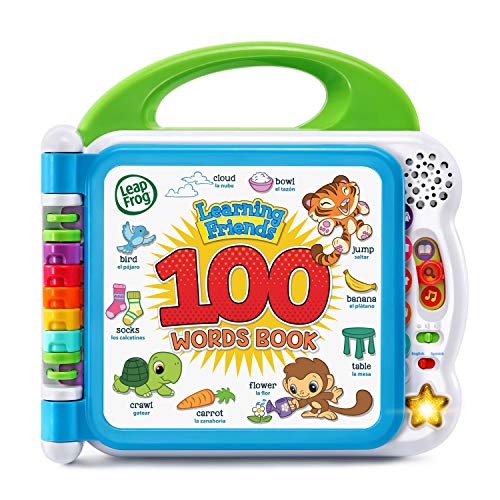
Best Learning Toys for Curious Kids
Turn playtime into brain time. Our expert guide breaks down the best learning toys for babies, toddlers, and school-age kids — covering STEM, language, math, and motor-skill development so you can choose with confidence.
Why learning toys matter: The right educational toy does more than entertain. It builds problem-solving skills, strengthens fine motor control, sparks curiosity, and lays the foundation for reading and math — all while a child feels like they're simply having fun.
This guide is written for parents and gift-givers who already know they want a learning-focused toy but need clarity on which type fits a child's stage, how the toys differ across quality tiers, and what to look for before clicking "add to cart." Every recommendation below is organized by developmental goal so you can match a toy to the skill you want to nurture.
The Main Types of Learning Toys
Learning toys generally fall into a few broad categories. Understanding these categories helps you narrow the field quickly — and helps you spot a genuinely educational toy versus one that only markets itself that way. For a wider overview of this category, explore our full collection of educational toys.
STEM & Science Toys
Building sets, robotics kits, coding toys, and simple science kits teach cause-and-effect reasoning, sequencing, and early engineering thinking. These are the best learning toys for kids who ask "how does it work?" and love to take things apart. For structured construction play, see our building block sets guide.
Language & Literacy Toys
Alphabet puzzles, phonics games, and talking readers build letter recognition and early reading confidence. These are especially valuable in the preschool window when vocabulary explodes. Browse dedicated alphabet toys for age-appropriate picks.
Math & Logic Toys
Counting beads, number boards, pattern games, and strategy puzzles introduce numeracy and logical reasoning without worksheets. They're the best learning toys for kids who enjoy patterns and rules.
Montessori & Fine Motor Toys
Stacking, threading, sorting, and sensory toys train hand-eye coordination and concentration — the physical prerequisites for writing and self-care. See our Montessori toys and fine motor skill toys collections for options that follow child-led learning principles.
How to Choose Learning Toys by Age
Age is the single most reliable filter. A toy that's too advanced frustrates; one that's too simple bores. Use these developmental windows as your starting point, and always check the manufacturer's age label.
Babies (0–12 months)
At this stage, "learning" means sensory exploration. High-contrast patterns, textured rattles, and activity gyms build visual tracking and grasping. Our baby toys section and activity gym guide cover the essentials. Look for toys with safe, chew-friendly materials.
Toddlers (1–3 years)
Toddlers learn through cause-and-effect and pretend play. Shape sorters, stacking cups, and simple puzzles teach spatial reasoning and vocabulary. These are the best learning toys for toddlers because they reward repetition. For stage-specific ideas, read our guides on toys for 1–2 year olds and 18–24 month toys.
Preschoolers (3–5 years)
This is the golden window for letters, numbers, and early STEM. Magnetic tiles, phonics games, and beginner coding toys fit perfectly. See our toys for 5 year olds guide and the broader age-appropriate toys hub.
School Age (6+ years)
Older kids are ready for real science kits, strategy games, and robotics. They want challenge and mastery. Explore STEM toys and family board games for options that scale with skill.
Understanding Learning Toy Quality Tiers
Not all learning toys are built the same. To help you compare without getting stuck on numbers, we classify options by market tier — a relative measure of build quality, feature depth, and longevity. Use this framework when reading reviews.
| Tier | What It Typically Means | Best For |
|---|---|---|
| Entry-level / Starter tier | Simpler mechanisms, lighter materials, fewer extras. Good for testing interest before committing further. | First-time buyers, casual gifting, very young children who outgrow toys quickly. |
| Mid-range / Balanced tier | Solid build, smoother mechanisms, more content depth. The sweet spot for most families. | Everyday use, siblings sharing, the child who returns to a toy again and again. |
| Premium / High-end tier | Premium materials, refined mechanisms, richer curriculum or app integration. Built to last. | Long-term investment, advanced learners, families who want a toy to grow with the child. |
| Top-tier / Professional-grade | Flagship builds, deepest feature set, often used in classrooms or enrichment programs. | Dedicated learners, classroom use, serious hobbyists. |
A mid-range model usually offers noticeably smoother mechanisms and richer content than an entry-level option, while a premium tier justifies itself through durability and long-term learning value. Choose the tier that matches how intensively the toy will be used.
Our Top Learning Toy Picks by Category
Below are our category-leading recommendations. Each entry notes the tier and the developmental goal it serves best — so you can match a toy to the child in front of you.
Magnetic Building Tiles Set
Open-ended magnetic tiles teach geometry, spatial reasoning, and early physics through hands-on construction. Children naturally experiment with shapes and structures, building resilience and creative problem-solving.
Best for: Ages 3–8 · Spatial reasoning & creativity
Alphabet & Phonics Learning Board
A tactile letter board with sound feedback helps preschoolers link letters to sounds — a core early-reading skill. The entry-level tier is ideal here because children cycle through it quickly and then move on to readers.
Best for: Ages 3–5 · Letter recognition & phonics
Beginner Coding Robot
Screen-free coding robots introduce sequencing and logic through physical buttons and play mats. Premium-tier models offer deeper challenge progression and sturdier builds that survive years of classroom-style use.
Best for: Ages 5–9 · Logic, sequencing & problem-solving
Wooden Counting & Number Puzzle
Classic wooden number puzzles build one-to-one correspondence, counting fluency, and fine motor control. Mid-range wooden sets use durable, child-safe finishes and hold up to daily handling.
Best for: Ages 2–5 · Early math & fine motor skills
STEM Science Experiment Kit
A well-stocked science kit turns kitchen-table curiosity into structured experiments. Premium kits include guided journals and quality lab tools, making them a worthwhile long-term investment for budding scientists.
Best for: Ages 7–12 · Scientific method & observation
Montessori Sensory Sorting Set
Sorting, threading, and stacking activities train concentration and hand-eye coordination. Starter-tier sets are an excellent first step into Montessori-style learning and are easy to rotate in and out of play.
Best for: Ages 1–3 · Fine motor & focus
Ready to Find the Perfect Learning Toy?
Browse our hand-picked learning toy recommendations below and compare options by age and skill focus.
See Recommended Learning ToysWhat to Look For Before You Buy
- Age label accuracy: Always follow the manufacturer's age recommendation — it reflects small-parts and safety testing, not just marketing.
- Open-ended play value: The best learning toys can be used in multiple ways. One toy that supports five play patterns beats five single-purpose toys.
- Durable construction: Look for reinforced joints, non-toxic finishes, and solid build quality — especially for toddlers who test everything.
- Skill alignment: Match the toy to a skill you actually want to nurture (literacy, numeracy, logic, motor skills) rather than buying a general "educational" label.
- Adult involvement level: Some toys are self-directed; others work best with a parent. Be honest about how much time you can invest.
- Screen-free design: Many of the best learning toys for kids are entirely screen-free, which supports sustained attention and imaginative play.
Safety First: A Quick Checklist
Learning toys are still toys, and safety always comes first. Before purchase, confirm the toy is free of small parts for children under three, check for non-toxic material certifications, and inspect for sharp edges or loose components. Our toy safety guide walks through choking hazard prevention and how to read age safety labels correctly.
Frequently Asked Questions
What are the best learning toys for a 2-year-old?
For 2-year-olds, prioritize cause-and-effect and fine motor toys: shape sorters, stacking cups, simple wooden puzzles, and sensory sorting sets. These are the best learning toys for toddlers because they reward repetition and build hand-eye coordination. See our 1–2 year old toy guide for stage-specific picks.
Are STEM toys actually educational, or just marketing?
Genuine STEM toys teach real skills — sequencing, spatial reasoning, cause-and-effect, and early engineering thinking. The distinction is whether the toy encourages experimentation or just follows a script. Open-ended building sets and screen-free coding robots are among the most genuinely educational options.
How many learning toys does a child actually need?
Fewer than most households own. A small, well-chosen set that covers different skill areas — construction, literacy, numeracy, and motor skills — is more effective than a large collection. Toy rotation (cycling toys in and out of storage) keeps engagement high without buying more.
What's the difference between entry-level and premium learning toys?
Entry-level toys use simpler mechanisms and lighter materials, making them a good way to test a child's interest. Premium-tier toys use higher-grade materials, smoother mechanisms, and deeper content — they're a long-term investment that holds up to years of use and often grows with the child.
Should learning toys be screen-free?
Not necessarily, but screen-free learning toys are generally preferable for young children because they support sustained attention, imaginative play, and physical manipulation. For older kids, well-designed hybrid toys (like coding robots with app companions) can be valuable when screen time is balanced.
Final Thoughts
The best learning toys are the ones a child returns to again and again — not the ones with the longest feature list. Match the toy to the child's developmental stage, choose a quality tier that reflects how intensively it will be used, and prioritize open-ended play that grows with them. Whether you're shopping for a first birthday or a science-loving tween, the categories above give you a clear framework to choose well.
For more guidance, explore our best toys guide and the full age-appropriate toys hub to cross-reference recommendations by stage.