Ride On Toys: The Ultimate Guide to Safe & Fun Riding Toys for Kids
From push-along rockers for toddlers to battery-powered ride-on cars for older kids, discover how to choose the perfect riding toy that matches your child's age, skills, and sense of adventure.
EXPLORE BY AGE🛴 Why ride on toys matter: Ride-on toys are more than just fun—they help children develop balance, coordination, spatial awareness, and gross motor skills. Whether your child is pushing a simple walker or steering a parental-controlled electric car, riding toys build confidence and encourage active outdoor play.
What Are Ride On Toys and Why Are They So Popular?
Ride on toys are wheeled vehicles designed for children to sit on, push, or drive. They range from simple foot-to-floor walkers and rocking horses to sophisticated electric ride-on cars with parental remote control, working lights, and realistic engine sounds. Their enduring popularity comes from the way they blend physical activity with imaginative play—children feel like they are driving a real vehicle while secretly building core strength and motor control.
Modern ride on toys have evolved significantly. Today's market includes ride-on cars with parental remote control for safety-conscious families, ride-on toys for 8-12 year olds with higher performance capabilities, and even gas-powered ride-on toys for 8-10 year olds for the truly adventurous. The variety means there is a perfect riding toy for every child, regardless of age or experience level.
Choosing the Right Ride On Toy by Age
1–2 Years: First Rides
Toddlers this age need simple, stable ride-ons with low step-in height and no complex controls. Push-along vehicles and rocking toys are ideal. Explore ride-on toys for 1-year-olds and ride-on toys for 2-year-olds to find safe, age-appropriate options.
3–5 Years: Building Confidence
Preschoolers are ready for foot-to-floor trikes and simple electric vehicles with parental remote control. Look for sturdy construction and easy steering. Check out ride-on toys for 3-year-olds and ride-on toys for 5-year-olds for the best choices.
6–8 Years: Independent Riding
School-age children can handle faster electric ride-ons with more advanced controls. Battery life and terrain capability become important factors. Browse ride-on toys for 6-year-olds and ride-on toys for 8-year-olds for options that match their growing skills.
9–12 Years: Advanced Performance
Older kids want speed, style, and features like drift mode or upgraded batteries. Safety gear becomes essential. Discover 24V ride-on toys for 10-year-olds and ride-on toys for 12-year-olds for high-performance riding fun.
Types of Ride On Toys: Which Style Fits Your Child?
The world of ride on toys is wonderfully diverse. Understanding the main categories helps you narrow down the choices and find the perfect match for your child's personality and developmental stage.
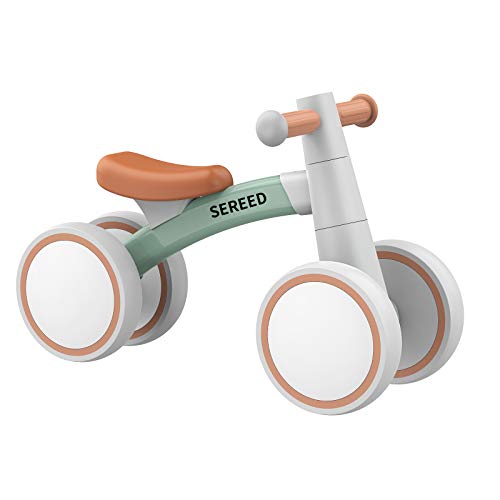
- Push-Along and Foot-to-Floor Toys: These entry-level ride-ons are powered by the child's own feet. They are ideal first riding toys, helping toddlers build leg strength and coordination. Many feature storage compartments under the seat and adjustable push handles for parents. Explore ride-ons for 2-year-olds for top picks.
- Rocking Ride On Toys: Classic rocking horses and modern rocker designs combine soothing motion with imaginative play. They are perfect for indoor use and help develop balance in a safe, controlled way.
- Pedal-Powered Ride Ons: Tricycles and pedal cars give children a sense of independence while providing excellent exercise. They are a natural progression from push toys and prepare children for bicycle riding later on.
- Electric Ride On Cars: Battery-powered vehicles are the most exciting category for many children. From 2-seater ride-on cars with remote for siblings to share, to ride-on toy cars with remote control for parental peace of mind, these vehicles offer realistic driving experiences. For younger drivers, ride-on electric cars for 3-year-olds provide a safe introduction to electric riding.
- Ride On Trucks: Rugged and adventurous, ride-on trucks for 2-year-olds and ride-on trucks for 5-year-olds are built for outdoor exploration. They often feature working dump beds and off-road tires for backyard adventures.
Key Features to Evaluate Before Choosing a Ride On Toy
Not all ride on toys are created equal. Focusing on the right features ensures you bring home a toy that is safe, durable, and genuinely enjoyable for your child. Here is what to prioritize:
| Feature Category | What to Look For | Best For |
|---|---|---|
| Safety Restraints | Seat belts, harnesses, soft-start technology, parental remote control | Entry-level and mid-tier electric models |
| Construction Quality | Durable construction, reinforced wheels, weather-resistant coating | Outdoor use and long-term investment |
| Battery & Power | 12V for younger riders, 24V for advanced performance; charger included | Electric ride-on vehicles |
| Terrain Suitability | Pneumatic tires for grass and gravel; plastic wheels for indoor use | Backyard explorers and neighborhood riders |
| Weight Capacity | Higher capacity supports growth and multi-child use | Families with children of different ages |
| Assembly & Storage | Tool-free assembly, compact footprint for storage | Small spaces and busy parents |
For families considering electric options, remote control child's ride-on cars offer the perfect balance of fun for the child and control for the parent. If you are looking for a two-seater option, explore ride-on two-seater with remote control for shared adventures.
Essential Ride On Toy Safety Tips for Parents
Safety should always come first when children are riding. While ride on toys are designed with safety in mind, parental supervision and proper precautions make a significant difference. Keep these guidelines in mind:
- Always match the toy to the child's age and size. Check the manufacturer's age recommendation and weight limit before purchasing. A toy that is too advanced can be frustrating and unsafe.
- Supervise young children at all times. Children under 5 should always be within arm's reach when using ride on toys, especially electric models.
- Use appropriate safety gear. Helmets and knee pads are recommended for pedal-powered and faster electric ride-ons, particularly for children 5 and older.
- Choose safe riding surfaces. Flat, smooth surfaces away from traffic, stairs, and water are ideal. Avoid steep slopes and uneven terrain for beginners.
- Inspect regularly. Check for loose screws, worn tires, and battery damage. Store electric ride-ons in dry conditions and follow charging instructions carefully.
- Set clear rules. Establish boundaries for where and when riding is allowed, and enforce consistent helmet use for older children.
For a comprehensive look at toy safety standards, visit our toy safety guide to ensure every playtime is a safe one.
Electric Ride On Toys: A Closer Look
Electric ride-on vehicles have revolutionized the ride-on toy market. These battery-powered marvels offer children the thrill of driving while giving parents confidence through features like remote control and speed limiting. Understanding the key specifications helps you make an informed decision.
Voltage and Performance: Most electric ride-ons run on 6V, 12V, or 24V batteries. 6V models are entry-level and suitable for toddlers, offering gentle speeds. 12V models are the most common, providing a balance of speed and runtime suitable for ages 3-8. 24V models deliver high-end performance with faster speeds and longer battery life, ideal for children 8 and up. Our guide to 2-seater ride-on toys for 8-10 year olds explores the benefits of higher-voltage models for older kids.
Parental Remote Control: This feature is a game-changer for families with younger children. A parental remote allows you to override the child's controls, making the vehicle stop or change direction instantly. It is especially valuable for ride-on electric cars for 3-year-olds and ride-on electric cars for 5-year-olds, giving parents peace of mind while children learn to steer.
Battery Life and Charging: Most electric ride-ons provide 1-2 hours of continuous use per charge, with charging times ranging from 8-12 hours. Look for models with easily accessible charging ports and battery indicators. For replacement needs, replacement 12V batteries for ride-on cars are readily available to extend the life of your child's favorite vehicle.
Maintaining Your Ride On Toy for Years of Fun
Proper maintenance ensures your ride on toy remains safe and functional for as long as possible. Here are practical tips to keep it in top condition:
- Clean regularly: Wipe down surfaces with a damp cloth after outdoor use. Avoid harsh chemicals that can damage plastic or paint.
- Store properly: Keep electric ride-ons in a dry, covered area. Extreme temperatures can damage batteries and plastic components.
- Charge correctly: Follow the manufacturer's charging guidelines. Avoid leaving batteries fully discharged for extended periods, and do not overcharge.
- Check hardware: Periodically tighten screws and bolts. Replace worn wheels or damaged parts promptly to prevent accidents.
- Rotate toys: If your child has multiple ride-on toys, rotate them to prevent excessive wear on a single vehicle. Learn more about toy rotation systems to keep playtime fresh.
Frequently Asked Questions About Ride On Toys
What age is appropriate for ride on toys?
Ride on toys are available for children as young as 1 year old, with simple push-along or rocking designs. Electric ride-on vehicles are generally suitable for ages 3 and up, while more advanced models with higher speeds and complex controls are designed for children 8 to 12 years old. Always check the manufacturer's age recommendation on the packaging and consider your child's individual maturity and coordination level.
Are electric ride on cars safe for toddlers?
Electric ride-on cars can be safe for toddlers when they include parental remote control, low speed settings, and proper safety features like seat belts and soft-start technology. Always supervise young children during use and ensure the vehicle is used on appropriate surfaces away from traffic, stairs, and water. Starting with a parental remote control model is the safest introduction for toddlers.
What features should I look for in a ride on toy?
Key features to consider include age-appropriate design, durable construction, safety harnesses or seat belts, parental remote control for electric models, battery life and charging time, weight capacity, and terrain suitability. For younger children, look for push handles and low step-in height. For older children, consider speed settings, suspension systems, and off-road capability.
How long do electric ride on toys last?
The lifespan of an electric ride-on toy depends on build quality, usage frequency, and maintenance. Premium models with durable construction and quality batteries can last several years with proper care. Regular cleaning, storing in dry conditions, and following charging guidelines help extend the toy's life. Replacement batteries are also available for many popular models.
Can two children share a ride on toy?
Yes, many ride-on vehicles are designed with two seats. Look for 2-seater ride-on toys that specify a higher weight capacity and include features like dual seat belts. Two-seater models are excellent for siblings and playdates, promoting cooperative play and shared adventures.
Ready to Find the Perfect Ride On Toy?
Choosing the right ride on toy is an investment in your child's physical development, confidence, and outdoor fun. Whether you are looking for a first push-along for a toddler, a parental-controlled electric car for a preschooler, or a high-performance ride-on for an older child, the options are more exciting than ever.
Browse our curated selection of top-rated ride on toys below, hand-picked for safety, durability, and sheer fun factor. Each recommendation is backed by our commitment to helping families find toys that children will love and parents can trust.