Remote Control Child's Ride-On Car: The Complete Parent's Guide
Choosing a remote control ride-on car is a big decision. Our guide breaks down parental control systems, safety features, motor tiers, and age-appropriate picks so you can choose with confidence.
START THE BUYING GUIDEWhy a remote control ride-on car? A remote control child's ride-on car gives little ones the thrill of driving while giving parents full command. You steer, you control the speed, and you hit the stop button when needed. It is a smart bridge between a simple push car and full independent driving.
This guide is built for parents in the research stage. You already know you want a ride-on car with a remote. Now you need to understand which features matter, which safety systems are non-negotiable, and how to match a model to your child's age and confidence level. By the end, you will know exactly what to look for before you buy.
What Is a Remote Control Ride-On Car?
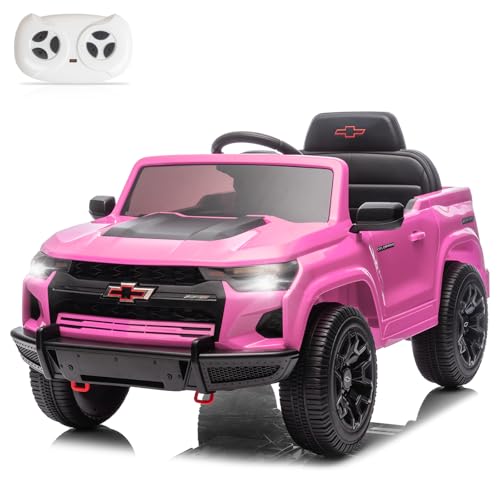
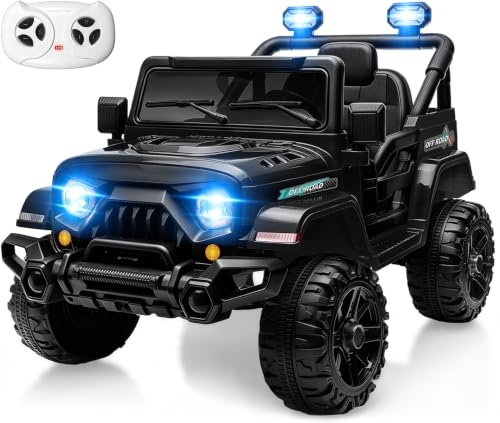
A remote control ride-on car is a battery-powered child's vehicle equipped with two driving systems: a child-controlled steering wheel and foot pedal, plus an adult-held remote transmitter. The remote lets a parent override the child's inputs, controlling steering, forward and reverse motion, and often an emergency stop.
Most models operate in two modes. In parental control mode, the adult drives via the remote while the child sits and steers the wheel for fun. In manual mode, the child drives independently using the pedal and wheel. Many mid-range and high-end tier models let you switch between modes instantly, which is ideal for a child who is learning.
If you are still deciding between a remote-control model and a simpler push-style vehicle, our guide to battery operated ride on cars with remote control compares the two systems side by side. You can also explore the full range of ride-on toys for 3-5 year olds to see how remote models fit into the broader category.
Key Features That Matter Most
Not every ride-on car with a remote is built the same. These are the features that separate a dependable model from a frustrating one.
Parental Remote with E-Stop
The remote should respond instantly and include a dedicated emergency stop. Look for a 2.4 GHz transmitter, which is less prone to interference than older frequency systems.
Speed Limiter
A speed limiter lets you cap the top speed for younger or less experienced riders. This is especially important for toddlers in the 1-3 year range.
Soft-Start Technology
Soft-start gradually ramps up acceleration instead of jolting forward. It reduces the risk of a child lurching or losing balance at the first press of the pedal.
Seat Belt & Safety Harness
A secure seat belt is essential. For younger riders, a harness-style belt offers more support than a simple lap strap.
Durable Construction
Look for reinforced chassis, heavy-duty wheels, and a rust-proof finish on metal components. Solid build quality matters more than decorative extras.
Battery & Runtime
Most models use 6V or 12V batteries. Higher voltage delivers more power for uneven surfaces. Runtime depends on the battery capacity and the terrain.
If battery charging and maintenance is a concern, our guide to the 6 volt battery charger for toy car explains what to check before and after each charging cycle.
Understanding Ride-On Car Tiers
Ride-on cars fall into clear market tiers. Instead of focusing on numbers, use these descriptors to compare models on build quality, features, and long-term durability.
| Tier | Best For | What to Expect |
|---|---|---|
| Entry-Level | Ages 1-3, first ride-on experience | Simple remote, basic speed limiter, 6V battery, plastic body. Good value for its tier and easy to store. |
| Mid-Range | Ages 2-4, growing riders | Smoother remote response, soft-start, 12V option, reinforced wheels, and dual-mode switching. Feature-rich for its class. |
| Premium | Ages 3-5, confident drivers | Heavy-duty chassis, premium materials, longer runtime, realistic details, and advanced parental controls. A long-term investment. |
| Top-Tier | Families wanting maximum durability | Commercial-grade components, flagship-tier motors, and top-tier safety systems. Built to last through multiple children. |
As a rule, entry-level models are best for a first taste of driving, while mid-range and premium models are the better choice if you want the car to last several years. For families with very young children, our roundup of battery operated ride on toys for 2 year olds highlights models with the gentlest speed profiles.
Safety Checklist Before You Buy
Safety is the single most important part of choosing a remote control ride-on car. Run through this checklist before you commit to a model.
- Age and weight limits: Always follow the manufacturer's age recommendation. A car rated for ages 3-5 is not suitable for a 1-year-old, even in parental mode.
- Emergency stop on the remote: The remote must be able to stop the car instantly, even if the child is pressing the pedal.
- Speed limiter: Confirm the model has a low-speed setting suitable for beginners.
- Seat belt: A working seat belt should be included and easy for an adult to fasten.
- Supervision: No ride-on car replaces adult supervision. Always ride on flat, safe surfaces away from traffic, stairs, and water.
- Assembly quality: Check that the wheels, steering linkage, and battery connections are secure after assembly.
For a broader look at how ride-on safety compares across age groups, see our guide to electric ride on toys for 3-5 year olds and the ride-on toys for 5-7 year olds selection, which covers the transition to independent driving.
Matching the Car to Your Child's Age
Age is the best starting point for narrowing your options. Here is how remote control ride-on cars generally map to developmental stages.
Ages 1-2: Parental Control Only
At this stage, the child is a passenger. Choose an entry-level model with a strong remote, a harness-style seat belt, and a low speed cap. The best options are compact and easy to maneuver indoors or on a flat patio. Our guide to battery operated riding toys for 2 year olds covers the most suitable formats.
Ages 2-3: The Transition Phase
This is where dual-mode models shine. The child can start experimenting with the steering wheel and pedal while the parent keeps the remote ready. Look for mid-range models with soft-start and a responsive remote. See more in our electric ride on toys for 2 year olds guide.
Ages 3-5: Independent Driving with Backup
Older preschoolers and early school-age children can drive independently, but the remote should stay in the parent's hand for safety. Premium models with 12V power and reinforced wheels handle grass, gravel, and gentle slopes better. Explore electric ride on toys for 5 year olds for models built for this stage.
Ages 5-7: Toward Full Independence
Some families keep the remote for peace of mind even as the child takes full control. Our ride-on toys for 5-7 year olds guide covers the larger, faster models that suit this age band. You can also browse ride-on toys for 6-10 year olds for older siblings who want a more capable vehicle.
How the Remote Control System Works
The remote is the heart of a parental-control ride-on car. Understanding how it behaves in practice helps you choose the right model.
Most modern remotes operate on a 2.4 GHz signal, which pairs the remote to the car and resists interference from other devices. The remote typically controls forward, reverse, left, and right, plus a stop function. Better remotes include a speed dial or a low/high switch, letting you match the car's responsiveness to the child's confidence.
One feature worth prioritising is instant override. When the parent moves the joystick, the car should respond immediately, even if the child is holding the pedal down. On cheaper systems, there can be a slight delay. If you plan to use the car near other children or pets, instant override is a must. For a wider comparison of remote-controlled vehicles, see our remote control cars for adults guide, which explains how hobby-grade remotes differ from child ride-on systems.
Step-by-Step Buying Guide
Use this simple sequence to narrow your options quickly.
- Confirm the age band. Check the manufacturer's recommended age and the child's weight against the model's limits.
- Decide on the driving stage. Parental-only for ages 1-2, dual-mode for ages 2-3, and independent-with-backup for ages 3-5.
- Check the remote features. Emergency stop, instant override, and a speed limiter are non-negotiable.
- Assess the build. Look for reinforced wheels, a solid chassis, and rust-proof finishes on metal parts.
- Match the battery to your terrain. A 6V model is fine for flat indoor surfaces; a 12V model is better for grass and gravel.
- Plan for storage and charging. Confirm the car fits your storage space and that the charger is included.
If you are comparing the ride-on car against other outdoor options, our guides to great outdoor toys for 4 year olds and cool outdoor toys for 5 year olds put ride-on vehicles in context with other active play choices.
Ready to Compare Models?
Our recommended picks below are selected for parental control quality, safety features, and build durability. Each listing links to a trusted retailer so you can check availability and full specifications.
VIEW RECOMMENDED MODELSFrequently Asked Questions
At what age can a child use a remote control ride-on car?
Most models are designed for children from around 12 months to 5 years. Many are suitable for ages 1-3 in parental-control mode and ages 3-5 for independent driving. Always check the manufacturer's age recommendation and safety labels.
What is the difference between parental control mode and manual driving mode?
In parental control mode, an adult uses a handheld remote to steer, accelerate, and stop the car. In manual mode, the child uses a foot pedal and steering wheel. Many models support both, allowing a smooth transition as confidence grows.
How long does a ride-on car battery typically last per charge?
Runtime varies by model, motor power, and terrain. Entry-level models usually offer around 45 to 60 minutes of continuous play, while mid-range and high-end tier models with larger batteries can run longer. Runtime also depends on the child's weight and the surface.
Are remote control ride-on cars safe for toddlers?
Yes, when used as directed. Look for a parental remote with emergency stop, a seat belt, a speed limiter, and soft-start technology. Adult supervision is always required, and children should only ride on flat, safe surfaces away from traffic.
Can the remote control be used if the child is not in the car?
No. The remote is designed to control the car while a child is seated and secured. Never operate the car without a child properly seated and belted, and never leave the remote within a child's reach.