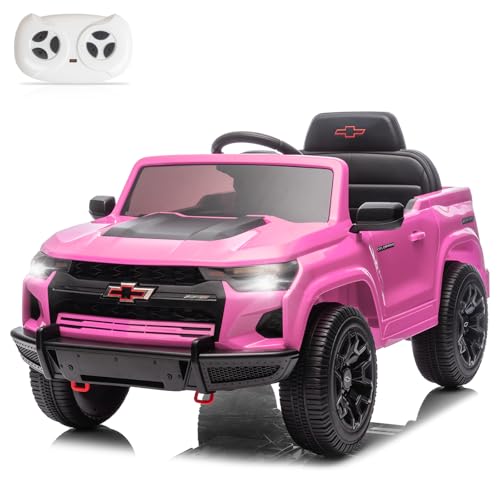
Battery Operated Ride On Toys for 2 Year Olds: A Complete Guide
Everything you need to know before choosing your toddler's first electric ride on — safety features, power systems, parental controls, and the features that actually matter for a 2 year old.
🧸 Why this guide matters: A 2 year old is ready for a first taste of independence, but not yet ready to control a moving vehicle alone. Battery operated ride on toys designed for this age bridge that gap — they combine the thrill of "driving" with parental remote control, low speeds, and sturdy build quality. This guide walks you through every decision point so you can pick a ride on that is safe, developmentally appropriate, and genuinely fun for years to come.
Why a Ride On Toy Is a Great Fit for a 2 Year Old
At two years old, children are developing gross motor skills, spatial awareness, and a sense of cause and effect. A ride on toy supports all three. Pressing a pedal or turning a wheel teaches coordination. Steering — whether by the child or by a parent via remote — builds an understanding of direction and distance. And the sheer joy of moving under their own "power" (even assisted) builds confidence.
Unlike scooters or balance bikes, battery operated ride ons for 2 year olds are stable at rest and in motion, with low centers of gravity and wide wheelbases. Many models include a parent-controlled remote, so the adult can steer and stop the vehicle while the toddler simply enjoys the ride. That combination makes them one of the safest early "vehicle" experiences available. For a broader look at options beyond battery power, see our guide to outdoor toys for two year olds.
Key Features to Look For in a Ride On for a 2 Year Old
Not every ride on toy is suitable for a toddler. The features below separate models that are genuinely age-appropriate from those that are better suited to older children.
🎮 Parental Remote Control
The single most important feature for a 2 year old. A remote lets you steer, accelerate, and stop the ride on from a distance. Look for a 2.4 GHz remote with a clear signal range and a "park" or emergency stop function. Without a remote, a 2 year old should not operate a ride on independently.
🔋 6-Volt Power System
For 2 year olds, a 6-volt system is the right match. It delivers a top speed of roughly 1 to 2 mph — slow enough to be safe, fast enough to feel exciting. 12-volt systems are typically too powerful for this age group and are better suited to older kids. Our guide to 6-volt battery chargers for toy cars covers charging best practices.
🪑 High Backrest & Safety Harness
Toddlers have weak core stability. A high backrest and a safety harness (or at minimum a lap strap) keep the child seated during turns and sudden stops. Avoid models with only a low seat and no restraint — those are designed for older children.
🛞 Wide, Stable Wheelbase
A wide track and large, treaded wheels improve stability on grass, gravel, and pavement. Four wheels are standard; look for a wheelbase that is wider than the seat to reduce tipping risk. Rubberized tires offer better grip than hard plastic.
🛑 Soft-Start & Soft-Stop
Abrupt acceleration or braking can startle a toddler. Soft-start electronics ramp up speed gradually; soft-stop slows the vehicle rather than jolting it to a halt. These features are common in mid-range and premium models and make a noticeable difference in comfort.
🧱 Durable, Rounded Construction
Look for rounded edges, no exposed sharp screws, and a body made from impact-resistant plastic. A reinforced chassis is worth prioritizing — toddlers will bump into walls, fences, and furniture. The best models are built to take that abuse without cracking.
Safety First: Non-Negotiable Checks
Before you buy, verify that the ride on meets the safety basics below. These are not optional for a 2 year old.
- ASTM F963 or equivalent certification — the standard for toy safety in the United States. Look for the certification on the packaging or product listing.
- Age label of 2+ or 18 months+ — never buy a ride on labeled for ages 3+ for a 2 year old, even if the child seems ready. The age label reflects motor-skill and size assumptions.
- Maximum speed under 2 mph — check the product specifications. If the listed top speed is higher, confirm that the parental remote caps it at a toddler-safe level.
- Sealed battery compartment — the battery must be inaccessible to the child and protected from water. A sealed compartment also prevents accidental contact with terminals.
- Working brake system — most toddler ride ons use a pedal-release brake (release the pedal, the vehicle stops). Confirm that the brake engages reliably and that the remote has an independent stop.
- No small detachable parts — check that mirrors, antennas, and decorative pieces are firmly attached and not choking hazards.
Ride On Tiers: Entry-Level, Mid-Range, and Premium
Ride on toys for 2 year olds fall into three broad tiers. Understanding what each tier offers helps you match the purchase to your needs without over- or under-specifying.
| Tier | Typical Features | Best For |
|---|---|---|
| Entry-Level | 6-volt system, basic parental remote, simple plastic body, no harness, hard plastic wheels | First-time buyers testing whether the child enjoys ride ons; short, supervised sessions on smooth pavement |
| Mid-Range | 6-volt or low-output 12-volt with speed cap, 2.4 GHz remote, soft-start, safety harness, rubberized tires, music and lights | Families who want a durable, comfortable ride on that will last through toddlerhood and into early preschool years |
| Premium | Refined 6-volt or capped 12-volt system, premium remote with gradual acceleration, full harness, leather-look seat, suspension, licensed styling, long battery life | Buyers who want the most comfortable, realistic, and long-lasting experience and plan to keep the toy for multiple children |
Mid-range models usually offer the best balance of features and durability for a 2 year old. The jump from entry-level to mid-range typically brings a safety harness, softer start, and better tires — all of which materially improve the experience. Premium models add refinement and longevity but are not necessary for a first ride on. If you are comparing ride ons across age groups, our guides to ride on toys for 3 year olds and electric ride on toys for 2 year olds cover the next steps.
Types of Battery Operated Ride Ons for 2 Year Olds
The category is broader than it first appears. These are the main styles you will encounter:
🚗 Ride On Cars
The most popular choice. Toddler-sized cars with a seat, a steering wheel (functional or decorative), and a parental remote. Many are styled after real vehicles or cartoon characters. They are stable, easy to enter and exit, and the familiar car shape appeals to most 2 year olds.
🏍️ Ride On Motorcycles and Scooters
These have a narrower profile and require the child to straddle the seat. They are best for 2 year olds who are confident and have good balance, and they almost always need a parental remote because the child cannot steer independently. Check that the seat height allows the child's feet to touch the ground for stability.
🚜 Ride On Tractors and Trucks
These tend to be heavier and wider, with a higher seat and a more upright driving position. They are excellent for outdoor use on grass and gravel, and the chunky wheels provide good stability. They are often a good choice for larger 2 year olds.
🦄 Styled and Themed Ride Ons
Animal-shaped, fantasy-themed, and character-licensed ride ons are common in this age group. Functionally they behave like cars, but the themed styling can be a strong motivator for a reluctant rider. Verify that the styling does not compromise the safety harness or the seat's support.
How to Choose: A Step-by-Step Decision Path
- Start with the remote. If a model does not have a parental remote, eliminate it for a 2 year old. This is the single most important filter.
- Confirm the power system. A 6-volt system is the default for this age. If you choose a 12-volt model, verify that it ships with a speed cap and that the remote is the primary control.
- Check the seat and restraint. A high backrest and a harness are strongly preferred. A lap strap is the minimum. No restraint means no purchase for a 2 year old.
- Measure your play space. If you have a flat driveway or sidewalk, almost any model works. If you plan to ride on grass or gravel, prioritize large, treaded wheels and a wider wheelbase.
- Consider storage. Ride ons are bulky. Measure your garage or shed before buying, and confirm the model's dimensions. A foldable or compact model can be a practical advantage.
- Think about longevity. A mid-range model with a removable speed cap can grow with your child into the preschool years. An entry-level model may be outgrown in a single season. Our comparison of ride on toys for 3-5 year olds is useful if you want a toy that lasts beyond age two.
Battery Care and Maintenance Tips
A ride on toy is only as good as its battery. These habits extend battery life and keep the toy running reliably:
- Charge fully before first use. New batteries often ship partially charged. A full charge before the first ride sets the baseline for performance.
- Do not leave the battery drained. Recharge after each use, even if the ride was short. Deep discharges shorten battery lifespan.
- Store in a dry, temperature-controlled place. Extreme heat and cold degrade battery capacity. A garage shelf is fine; a damp shed is not.
- Use the correct charger. A charger matched to the battery's voltage and chemistry is essential. Our guide to 6-volt battery chargers explains what to look for.
- Clean the wheels and chassis. Grass, mud, and grit can jam the drive system. A quick wipe-down after outdoor use keeps the mechanism smooth.
What to Avoid
- Models without a parental remote. A 2 year old cannot reliably steer or stop a moving vehicle. This is a hard no.
- High-speed 12-volt or 24-volt systems without a cap. These are designed for older children and are unsafe for toddlers.
- Seats with no backrest or restraint. A toddler can slide off during a turn or a sudden stop.
- Hard plastic wheels on smooth pavement. They offer poor grip and a harsh ride. Rubberized tires are worth prioritizing.
- Unverified safety certifications. If a listing does not state ASTM F963 or an equivalent standard, treat it with suspicion.
- Overly complex controls. A 2 year old needs a simple interface: a pedal, a wheel, and a parent with a remote. Too many buttons and modes create confusion and distraction.
Frequently Asked Questions
Yes, when chosen correctly. Look for models with a parental remote control, a 6-volt power system, a safety harness or high backrest, and a maximum speed under 2 mph. Always supervise your child during use and keep rides on flat, smooth surfaces away from traffic.
For 2 year olds, a top speed of 1 to 2 mph (1.6 to 3.2 km/h) is ideal. Many entry-level and mid-range models come with a parental remote that limits speed, while the child's foot pedal only activates at the lowest setting.
A parental remote control is highly recommended for 2 year olds. It lets you steer and stop the vehicle from a distance, which is essential because toddlers lack the coordination and judgment to operate a ride on toy independently.
With regular use, a 6-volt battery in a toddler ride on toy typically provides 30 to 60 minutes of continuous play per charge. Battery lifespan depends on care; proper charging habits and storage in a dry place can extend it to several years.
Ready to Choose the Right Ride On?
Explore our curated selection of battery operated ride on toys for 2 year olds — vetted for safety features, parental controls, and toddler-friendly design.
Explore Options