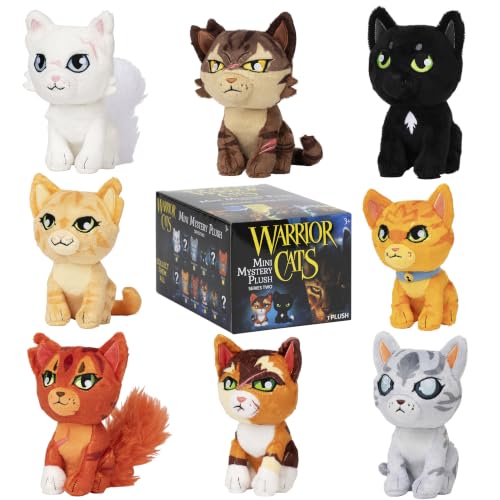
Collectible Plush: The Ultimate Guide to Rare & Cuddly Finds
Uncover the art and passion of plush collecting. From limited-edition designer creations to nostalgic characters, learn what makes a plush truly collectible and how to build a curated collection.
START YOUR COLLECTOR JOURNEYWhat Makes a Plush Toy Collectible?
Collectible plush is more than just a soft toy—it's a piece of art, a slice of pop culture, or a rare find that sparks joy and conversation. Unlike mass-produced stuffed animals, collectible plush items are often defined by their scarcity, unique design, craftsmanship, and cultural significance. Whether you're drawn to limited-edition artist collaborations, vintage character plush from classic cartoons, or modern high-end designer pieces, the world of collectible plush offers something for every taste and collector profile.
The appeal lies in the thrill of the hunt and the satisfaction of owning something special. Many collectors focus on specific themes—such as a particular character, brand, or artist—while others curate based on aesthetics or emotional connection. Understanding the factors that create value in this niche is the first step to building a collection that brings lasting enjoyment.
For those new to the hobby, exploring broader collectibles categories can provide useful context, while seasoned collectors often narrow their focus to specific collectible dolls or plush lines.
Key Factors That Define Collectible Plush
Not every plush toy becomes a collector's item. Several attributes contribute to a plush's desirability and long-term collectability. The table below outlines the primary tiers of collectibility, using universal descriptors rather than any monetary terms.
| Tier | Characteristics | Best For |
|---|---|---|
| Entry-Level | Mass-produced but well-made plush with popular character licenses; widely available but may have short production runs. | New collectors or fans of a specific character. |
| Mid-Range | Limited edition releases from established brands; higher-quality materials and detailing; often numbered or part of a series. | Collectors seeking a balance of rarity and craftsmanship. |
| Premium | Small-batch or artisan-made plush; designer collaborations; exceptional materials (e.g., mohair, organic cotton); unique designs. | Discerning collectors who value artistry and exclusivity. |
| Luxury / Top-Tier | Museum-quality pieces, one-of-a-kind creations, vintage rarities, or highly sought-after discontinued lines; often accompanied by certificates of authenticity. | Serious collectors and investors in plush art. |
These tiers help collectors understand the relative positioning of plush items in the market without relying on transient factors. A mid-range piece might offer a more intricate design than an entry-level one, while premium and luxury tiers focus on exceptional materials and exclusivity.
Popular Categories of Collectible Plush
The collectible plush universe is diverse. Here are some of the most prominent categories that collectors gravitate toward:
1. Character & Franchise Plush
Plush based on movies, TV shows, video games, and anime are perennial favorites. Limited runs or anniversary editions of iconic characters can become highly sought after. For example, vintage capybara stuffed toys or quirky internet-famous characters often develop a cult following.
2. Artist & Designer Plush
Created by independent artists or renowned designers, these plush are often produced in small batches and signed. They blur the line between toy and art object, appealing to collectors who appreciate unique aesthetics. Brands like Steiff or Jellycat are known for their high-end designer plush.
3. Vintage & Retro Plush
Older plush toys, especially those from the mid-20th century or earlier, hold nostalgic value. Condition and originality are critical for vintage collectors. Pieces from defunct manufacturers or those tied to classic advertising campaigns can be particularly rare.
4. Limited Edition & Numbered Plush
Manufacturers often release limited quantities of certain designs, sometimes numbering each piece. These are explicitly marketed as collectibles and often come with certificates of authenticity.
5. Themed & Novelty Plush
This includes plush that represents food, objects, or abstract concepts—like the popular cat in a banana plush. Such items often gain viral popularity and become collectible due to their whimsical nature.
How to Start Your Collectible Plush Collection
Beginning a collection can be exciting but also overwhelming. Follow these steps to build a meaningful and well-curated collection:
- Define Your Focus: Decide whether you want to collect by character, brand, artist, era, or theme. A focused collection is often more satisfying and manageable.
- Research and Learn: Use resources like collector forums, price guides (for rarity, not monetary value), and specialized publications to understand the market. Knowledge is your best tool for identifying authentic and valuable pieces.
- Set a Strategy: Determine whether you'll pursue new releases, hunt for vintage treasures, or both. Consider joining collector communities to get tips on budget-conscious buying strategies without compromising on quality.
- Inspect Before You Invest: For vintage or high-end pieces, inspect condition carefully—look for original tags, stitching quality, and any signs of wear or restoration.
- Care and Display: Proper storage and display are crucial. Keep plush away from direct sunlight, humidity, and dust. For cleaning tips, see our guide on how to clean plush toys safely.
- Connect with the Community: Attend conventions, join online groups, and follow designers to stay informed about new releases and rare finds.
Ready to explore the market? Browse our curated selection of collectible plush and discover your next treasure.
VIEW COLLECTIBLE PLUSHCaring for Your Collectible Plush
Preserving the condition of your plush is essential for maintaining its collectibility and enjoyment. Here are some best practices:
- Handling: Handle with clean hands. For very rare pieces, consider wearing cotton gloves.
- Cleaning: Avoid machine washing unless the care label explicitly permits it. Spot-clean with a mild detergent and a soft cloth. For deep cleaning, consult a professional toy cleaner. Our detailed guide on cleaning plush toys offers step-by-step instructions.
- Storage: Store plush in a cool, dry place away from direct sunlight. Use acid-free tissue paper for stuffing to maintain shape. Avoid plastic bags, which can trap moisture.
- Display: Use glass cabinets or shelves to protect from dust and UV light. Rotate pieces periodically to prevent uneven fading.
- Documentation: Keep any certificates, original tags, and packaging—these add to the collectible's provenance and future desirability.
Where to Find Rare and Collectible Plush
Sourcing rare plush requires a mix of diligence and networking. Here are the most effective avenues:
- Specialty Retailers: Boutique toy stores and online shops that focus on designer or limited-edition plush.
- Collector Conventions: Events like Toy Fair or dedicated plush conventions offer opportunities to meet creators and acquire exclusive pieces.
- Online Marketplaces: Platforms like eBay, Etsy, and specialized collector forums can be goldmines, but verify seller reputation and authenticity.
- Estate Sales & Auctions: Often sources for vintage and discontinued plush.
- Direct from Artists: Many independent plush artists sell directly through their websites or at art fairs.
For those interested in broader collecting categories, exploring collectible toys can provide additional inspiration and context.
Frequently Asked Questions
What makes a plush toy 'collectible'?
A plush toy becomes collectible due to factors like limited production runs, unique designs by renowned artists, tie-ins with popular culture, high-quality materials, and age. The combination of scarcity and desirability drives collector interest.
How should I care for collectible plush toys?
Proper care involves keeping them away from direct sunlight and moisture, dusting regularly with a soft brush or vacuum, spot-cleaning stains with a mild detergent, and storing them in a cool, dry place. For high-end pieces, professional cleaning may be advisable.
Where can I find rare collectible plush toys?
Rare plush can be found through specialist online marketplaces, collector conventions, estate sales, dedicated fan communities, and directly from boutique manufacturers known for limited editions. Research and patience are key.
Are collectible plush toys a good investment?
While some rare plush can appreciate over time, the primary value is personal enjoyment. Treat collecting as a passion first, and always research thoroughly before making significant acquisitions.