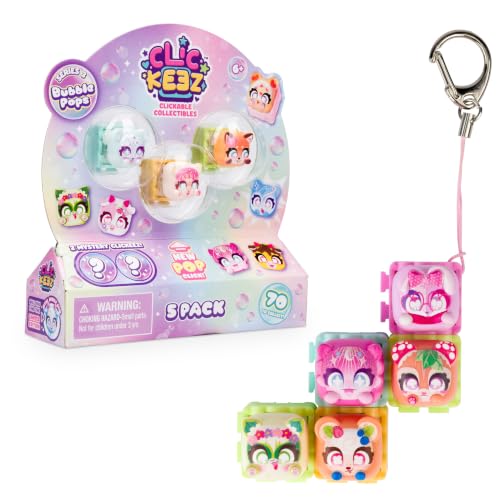
Collectible Toys: Your Complete Guide to Rare Finds & Display
From limited-edition action figures to vintage plush treasures, learn how to identify, curate, display, and preserve a collection that holds lasting personal and cultural value.
Explore Collector PicksWhat Makes a Toy Collectible?
A toy becomes collectible when demand outpaces supply — often due to limited production runs, discontinued lines, cultural significance, or association with a beloved franchise. Unlike ordinary playthings, collectible toys are evaluated on factors such as:
- Rarity: Short production windows, region-exclusive releases, or convention-only variants.
- Condition: Mint-in-box (MIB) and mint-in-sealed-box (MISB) pieces command the highest respect among serious collectors.
- Provenance: Documented history — original packaging, certificates of authenticity, or artist signatures — increases desirability.
- Cultural relevance: Ties to iconic films, comic books, video games, or design movements elevate long-term interest.
If you are just starting out, it helps to explore broader categories first, such as collectibles and collectible plush, to understand how different segments of the market behave.
Collectible Toy Categories Worth Knowing
The collector market spans several distinct categories, each with its own community, grading standards, and display conventions. Below is a practical overview to help you find your niche.
Action Figures & Character Toys
Perhaps the most recognizable segment, collectible action figures range from vintage carded figures to modern super-articulated releases. Serious collectors often focus on a single franchise or era, preserving packaging and avoiding exposure to direct sunlight. Explore our collectible dolls guide if your interest leans toward fashion or character dolls rather than action-oriented figures.
Plush & Designer Vinyl
Collectible plush has surged in popularity, driven by limited drops from designer brands and character collaborations. Meanwhile, designer vinyl toys — often produced in numbered runs — occupy a space between art and play. Both categories reward collectors who act quickly on releases and store pieces in dust-free, climate-stable environments.
Building Sets & Mini Figures
Building block sets with retired status frequently become collector targets, especially when they include exclusive mini figures. If you enjoy construction-based collecting, our guides on building block sets, bricks and mini figures, and brick houses offer a solid foundation for understanding what holds long-term appeal.
Vintage & Retro Finds
Vintage toys from the 1960s through the 1990s carry strong nostalgic value. Condition becomes especially critical here — original boxes, inserts, and even price stickers can affect desirability. Collectors often use specialized storage to prevent yellowing, warping, and paint loss.
Understanding Collectible Tiers
Rather than focusing on arbitrary figures, experienced collectors classify pieces by market positioning and production quality. The following tier system helps you benchmark where a given item sits relative to the broader market.
Starter Tier
Mass-produced items with broad availability. Ideal for new collectors learning the ropes — focus on condition, completeness, and personal enjoyment rather than scarcity.
Balanced Tier
Limited runs, retailer exclusives, or slightly older releases. These pieces often offer the best balance of availability and long-term collectibility.
High-End Tier
Convention exclusives, numbered editions, and authenticated vintage pieces. Expect stricter grading standards and stronger community demand.
Flagship Tier
Genuinely rare prototypes, artist proofs, and museum-grade vintage items. These are long-term investments requiring specialized storage and documentation.
Use this framework consistently when comparing pieces. A mid-range item in pristine condition often outperforms a high-end piece with visible wear — condition matters at every tier.
How to Evaluate a Collectible Toy
Before acquiring any piece, run through a structured evaluation. This protects both your enjoyment and the long-term integrity of your collection.
- Authenticity: Verify production marks, copyright stamps, and packaging details. Counterfeits are common in high-demand categories.
- Completeness: Missing accessories, inserts, or instruction sheets reduce desirability significantly.
- Condition grading: Familiarize yourself with standard grading scales (e.g., C10 for perfect, C8 for minor wear).
- Packaging integrity: Sealed boxes and intact blister packs are highly valued; note any dents, tears, or sun fading.
- Documentation: Certificates of authenticity, original receipts, and provenance letters add confidence.
Display & Preservation Best Practices
Proper display protects both the aesthetic and the long-term integrity of your collection. Consider the following guidelines:
- UV protection: Display cases with UV-filtering glass or acrylic prevent fading and yellowing.
- Climate control: Keep collections away from direct heat, humidity swings, and damp basements.
- Stable shelving: Use reinforced shelves and avoid stacking heavy items on top of boxed pieces.
- Dust management: Enclosed cases or regular gentle dusting with microfiber cloths keeps surfaces clean without abrasion.
- Rotation: Periodically rotate displayed pieces to limit prolonged light exposure.
For related organizational ideas, see our building block storage ideas and broader buying guides.
Collectible Toy Comparison at a Glance
| Category | Tier | Best For | Key Consideration |
|---|---|---|---|
| Vintage Action Figures | High-End Tier | Nostalgia-driven collectors | Packaging integrity and authentication |
| Designer Vinyl | Premium | Art-focused collectors | Numbered runs and artist provenance |
| Collectible Plush | Mid-Range | Character fans and display curators | Dust control and fabric preservation |
| Retired Building Sets | Balanced Tier | Construction and mini figure fans | Completeness of parts and manuals |
| Convention Exclusives | Flagship Tier | Serious rarity seekers | Documentation and event provenance |
Frequently Asked Questions
What defines a collectible toy versus a regular toy?
Collectible toys are typically produced in limited quantities, tied to a specific franchise or design movement, or discontinued in ways that create sustained secondary demand. Condition and completeness play a much larger role than they do for ordinary playthings.
Should I keep collectible toys in their original packaging?
For most collectible categories, yes. Original packaging preserves authenticity, protects against dust and UV exposure, and maintains resale credibility. Loose display is acceptable when preservation is handled carefully with enclosed cases.
How do I start a collection without overcommitting?
Begin with a focused theme — a single franchise, era, or character. Purchase entry-level pieces to learn grading and storage best practices, then gradually move toward mid-range and premium items as your confidence grows.
Are collectible toys a worthwhile long-term investment?
Some pieces appreciate over time, especially numbered editions and authenticated vintage items. However, collectible markets are driven by demand shifts and cultural trends. Treat any collection primarily as a passion project, and view financial returns as a secondary consideration.
How do I verify authenticity before acquiring a piece?
Check copyright stamps, production marks, packaging printing quality, and seller documentation. Cross-reference with community databases and, where possible, request detailed photos of seams, joints, and box corners.
Ready to Add a Standout Piece to Your Shelf?
Browse hand-picked collectible toys that combine rarity, craftsmanship, and display appeal — curated for collectors who value both story and quality.
See Collector Picks Below