Best Coding Toys for Kids
Unlock the future with STEM programming kits, robot sets, and interactive coding games that make learning to code fun and accessible for children of all ages.
Explore Top Coding Toys →🧩 Why Coding Toys Matter: In today's digital world, understanding technology is no longer optional—it's essential. Coding toys bridge the gap between play and education, helping children develop critical thinking, problem-solving, and creativity. Whether your child dreams of becoming a game developer, a robotics engineer, or simply wants to understand how their favorite apps work, coding toys provide the perfect foundation.
What Are Coding Toys?
Coding toys are educational toys designed to teach programming concepts through hands-on play. They range from screen-free coding board games and programmable robots to app-connected building kits that introduce languages like Scratch, Python, and JavaScript. Unlike traditional STEM toys, coding toys specifically focus on computational thinking, logic, and sequencing.
Key Benefits of Coding Toys
- Develops logical thinking and problem-solving skills
- Enhances creativity through interactive storytelling and game design
- Builds resilience and persistence through trial-and-error learning
- Prepares children for future careers in technology and STEM fields
- Improves math and reading comprehension through contextual learning
- Encourages collaboration and teamwork with group coding challenges
Coding Toys by Age Group
Choosing the right coding toy depends on your child's developmental stage. Here's a quick guide to help you select age-appropriate options:
Screen-Free Coding
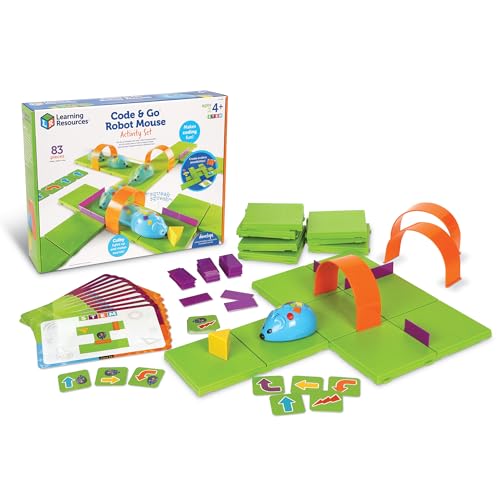
Colorful robot mice, coding board games, and sequencing cards that teach basic programming concepts without screens.
App-Connected Robots
Programmable robots, block-based coding apps (Scratch Jr.), and interactive stories that introduce loops and conditionals.
Advanced Robotics & Python
Build-your-own robot kits, microcontrollers (like micro:bit), and text-based coding languages for real-world projects.
For younger children, consider toddler-friendly toys that introduce cause and effect. As they grow, transition to coding toys for 6-8 year olds and eventually to advanced coding sets for 9-12 year olds.
Types of Coding Toys
Robot Kits
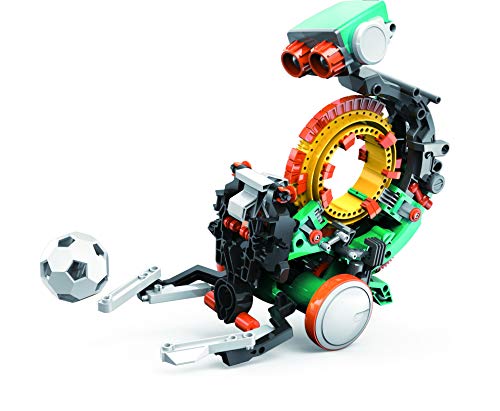
Build and program robots that move, light up, and react to their environment. Perfect for hands-on learners who love mechanics.
Programming Games
Board games and card games that teach coding logic, algorithms, and debugging without a computer.
App-Connected Sets
Toys that pair with tablets or smartphones to offer interactive tutorials, challenges, and creative coding projects.
Building Block Coding
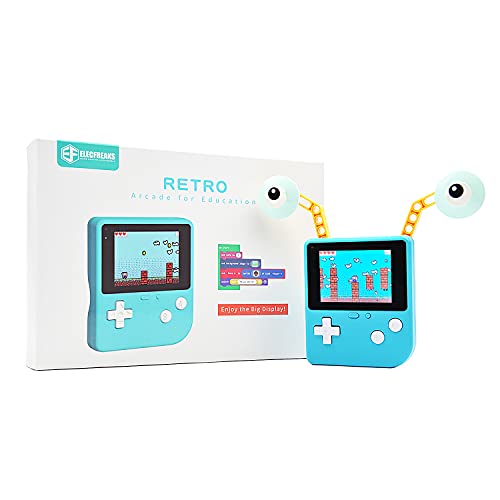
Modular blocks with electronic components that snap together to create functional gadgets and games.
Screen-Free Coding
Physical coding toys that use buttons, cards, or blocks to create sequences—ideal for younger children or reducing screen time.
Microcontroller Kits
Advanced kits like Arduino or Raspberry Pi that introduce electronics, sensors, and real-world programming.
How to Choose the Right Coding Toy
Selecting the perfect coding toy requires considering your child's interests, skill level, and learning style. Here are key factors to evaluate:
🔍 Interest & Passion
If your child loves robots, choose a robotics kit. If they enjoy puzzles, opt for a coding board game. Aligning with their passion increases engagement.
📚 Skill Level
Start with screen-free options for beginners, then progress to block-based coding, and finally to text-based languages like Python.
📱 Screen Time Balance
Some coding toys are completely screen-free, while others rely on apps. Choose based on your family's screen time preferences.
👥 Solo vs. Group Play
Some coding toys are designed for independent learning, while others encourage collaboration. Consider whether your child prefers working alone or with others.
For a broader selection of toy categories, visit our comprehensive guides. If you're looking for gifts, check out our gift guides for every occasion.
Frequently Asked Questions
At what age should kids start coding?
Children as young as 3 can begin with screen-free coding toys that teach sequencing and patterns. By age 6-8, they can transition to app-connected robots and block-based programming. Most experts agree that early exposure builds confidence and foundational skills.
Are coding toys worth the investment?
Absolutely. Coding toys offer long-term educational value by developing critical thinking, creativity, and digital literacy. They also provide a fun alternative to passive screen time, making them a worthwhile investment in your child's future.
Do coding toys require a computer or tablet?
Not always. Many coding toys are screen-free and use physical blocks, cards, or buttons. However, more advanced kits often include app-based interfaces for programming and debugging. Always check the product specifications before purchasing.
Can girls benefit from coding toys?
Yes! Coding toys are gender-neutral and offer immense benefits to all children. Encouraging girls to explore coding helps close the gender gap in technology and empowers them with valuable 21st-century skills.
Ready to Start Your Child's Coding Journey?
Explore our curated selection of top-rated coding toys and find the perfect set for your young programmer.
Shop Coding Toys Now →