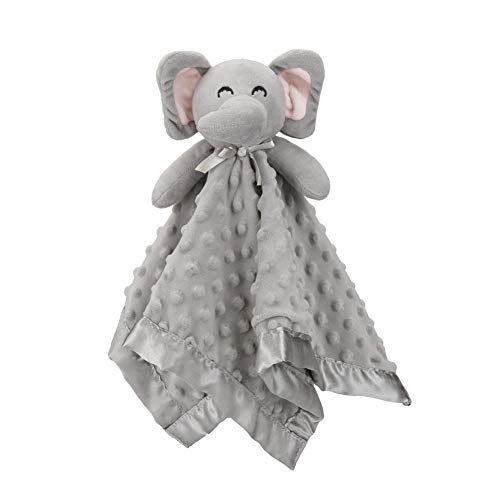
Gifts for Babies: A Complete Guide to Choosing Thoughtful, Safe, and Developmental Presents
Selecting a gift for a baby is both a joy and a responsibility. Our expert guide walks you through safe, age-appropriate, and developmentally beneficial gift choices for newborns, infants, and new parents.
🧸 Why the First Year Matters: During a baby's first year, the brain grows faster than at any other time. The right gifts—sensory toys, safe rattles, soft books, and developmental play items—can support motor skills, visual tracking, and bonding. This guide helps you choose gifts that are not only delightful but also meaningful for a baby's growth.
Understanding the Main Categories of Baby Gifts
Before you browse any store, it helps to know the landscape of baby gifts. Most presents fall into four broad categories, each serving a different purpose. Understanding these categories will help you match a gift to the occasion, the baby's age, and the parents' preferences.
1. Developmental and Sensory Toys
These gifts are designed to stimulate a baby's senses and support early development. They include high-contrast black-and-white cards for newborns, soft rattles, textured balls, and musical toys. Sensory toys are especially valuable because they engage sight, sound, and touch—three of the primary channels through which infants learn about the world. When choosing these gifts, look for items that are easy to clean, free of small parts, and made from non-toxic materials. Safety certifications matter, especially for items that will inevitably end up in a baby's mouth. For a broader selection of age-appropriate options, explore our gifts for newborns and gifts for a 6-month-old.
2. Practical and Everyday Essentials
Sometimes the most appreciated gifts are the ones that make daily life easier for new parents. Think soft hooded towels, muslin swaddles, bibs, and feeding accessories. These items are used constantly and are often the first to wear out, making them a welcome addition to any nursery. Practical gifts also have the advantage of being universally useful, regardless of a family's style or the baby's temperament. Many parents appreciate receiving these essentials in gift sets or curated bundles.
3. Keepsakes and Memory-Making Gifts
Keepsake gifts hold emotional value and are often treasured for years. Examples include personalized blankets, engraved picture frames, milestone cards, and baby memory books. These gifts are particularly popular for baby showers and naming ceremonies. When selecting a keepsake, consider the family's taste—some prefer minimalist designs, while others gravitate toward traditional or whimsical styles. Personalization, such as adding the baby's name or birth date, adds a thoughtful touch.
4. Books and Early Literacy Gifts
Books are an excellent gift for babies at any stage. Soft cloth books and board books with high-contrast images are ideal for infants, while slightly older babies enjoy lift-the-flap and textured books. Reading to babies supports language development, bonding, and a lifelong love of learning. A small collection of board books paired with a cozy reading blanket makes a thoughtful, enduring gift.
Age-by-Age Gift Guide: Matching Presents to Developmental Stages
A baby's needs and abilities change rapidly during the first year. A gift that fascinates a three-month-old may be entirely ignored by a nine-month-old—and vice versa. This section breaks down the best gift types for each developmental stage, helping you choose something that will genuinely engage the baby.
Newborns (0–3 Months): Gentle Stimulation
In the first three months, babies are developing visual tracking and beginning to respond to sound. High-contrast images, soft rattles with gentle sounds, and black-and-white books are ideal. Mobiles for the crib—provided they meet safety guidelines—can also be a good choice, though many parents prefer to keep the crib simple. Soft swaddles and sleep sacks fall into the practical category but are often presented as gifts because they are used daily. For more ideas, see our newborn gift guide.
3–6 Months: Reaching, Grasping, and Mouthing
Around this age, babies begin to reach for objects, grasp them, and bring them to their mouths. Teething rings, soft textured balls, and crinkle toys are popular choices. Activity gyms and play mats with hanging toys encourage tummy time and reaching. Many parents appreciate gifts that can be easily wiped clean. For specific recommendations, visit our gifts for a 6-month-old.
6–9 Months: Sitting Up and Exploring
As babies learn to sit up and become more mobile, they show interest in toys that can be manipulated. Stacking cups, simple shape sorters, and soft blocks are excellent choices. Musical toys with buttons that produce sounds are often a hit. Board books with flaps and textures also become more engaging. Safety remains paramount—avoid items with small detachable parts that could pose a choking hazard.
9–12 Months: Crawling, Pulling Up, and Cause-and-Effect
Older babies are often crawling, pulling themselves up, and beginning to understand cause-and-effect. Push-and-pull toys, simple ball-drop toys, and stacking rings are developmentally appropriate. Some parents appreciate gifts that transition into toddlerhood, such as a first ride-on toy or a simple shape sorter. For a broader look at gifts that work for the one-year milestone, see our gifts for 1-year-olds.
Materials, Safety, and Quality: What to Look For in Baby Gifts
Safety should never be an afterthought when selecting a gift for a baby. Regardless of how charming a toy looks, it must meet basic safety standards. Here are the key factors to evaluate:
- Non-toxic materials: Look for toys and textiles labeled as free from BPA, phthalates, and lead. For soft items, organic cotton and OEKO-TEX certified fabrics are preferable.
- No small parts: Avoid anything that could detach and fit through a small-parts tester—a standard tool used in safety testing to identify choking hazards.
- Secure fasteners: On plush toys and fabric items, ensure eyes, buttons, and decorative elements are securely attached.
- Age labeling: Respect the manufacturer's age recommendations. A toy marked for "3 years and up" is not suitable for an infant, even if it looks harmless.
- Washability: Babies put everything in their mouths. Gifts that can be machine-washed or easily wiped down are more practical and hygienic.
In terms of quality tiers, baby gifts range from essential tier items (basic rattles, bibs, and board books) to premium and luxury keepsakes (personalized blankets, high-end wooden toys, and designer gift sets). While essential-tier items cover the practical side, premium and luxury tiers often focus on craftsmanship, materials, and longevity. A mid-tier gift might combine practical utility with a touch of design polish—making it a solid choice for most occasions.
What to Avoid When Buying Gifts for Babies
Just as important as knowing what to buy is knowing what to skip. Some gifts, while well-intentioned, may create clutter, pose safety risks, or simply go unused. Here is a quick list of items to think twice about:
- Plush toys with loose parts: Unless specifically designed for infants, many plush toys have small eyes or ribbons that can detach.
- Toys with long strings or cords: These pose a strangulation risk and are not suitable for cribs or playpens.
- Overly complex electronic toys: Very young babies can be overwhelmed by flashing lights and loud sounds. Simpler is often better.
- Clothing in newborn sizes: Babies grow out of newborn sizes quickly; sizes 3–6 months and 6–9 months are safer bets.
- Items that require batteries without a volume control: Parents will thank you for avoiding loud, repetitive electronic toys.
Occasion-Based Gift Ideas: Baby Showers, Welcome Gifts, and First Birthdays
The occasion often shapes the type of gift that is most appropriate. A baby shower gift is typically given before the baby arrives, so practical items and nursery essentials are welcome. Welcome gifts—given after birth—often lean toward keepsakes and items for the baby's immediate comfort. First birthday gifts, by contrast, are usually toys and books that the baby can actively engage with.
For baby showers, consider a curated gift basket with muslin swaddles, a soft board book, and a practical item like a diaper caddy. For a welcome gift, a personalized blanket or a milestone card set adds a personal touch. For a first birthday, developmental toys such as stacking blocks or a simple push toy are ideal. Many of these ideas overlap with our broader collection of toy gift guides.
How to Choose a Gift for Someone Else's Baby
When buying a gift for a baby who is not your own, it helps to consider the parents' preferences and the family's lifestyle. Some parents prefer wooden, minimalist toys; others appreciate bright, interactive items. If you are unsure, a practical gift or a classic board book is almost always a safe choice. Gift receipts are also a thoughtful addition, allowing parents to exchange an item if they already have it or if it does not suit their needs.
Another approach is to ask the parents directly if there is anything they still need. Many new parents appreciate this transparency—it ensures the gift will be used and reduces the risk of duplicate items. If you want to surprise them, stick to consumables (like a set of organic cotton washcloths) or classics (a well-reviewed board book).
Building a Thoughtful Baby Gift Set
A gift set allows you to combine several complementary items into a single, cohesive present. A well-designed gift set might include a soft book, a sensory rattle, and a muslin blanket—covering literacy, development, and comfort. When assembling a set, aim for a mix of practical and playful items. Packaging matters too: a simple basket or reusable storage bin doubles as part of the gift and helps keep the nursery organized. For more inspiration on putting together gift sets, explore our gift ideas for 3 and 4-year-olds as children grow.
Long-Term Value: Why Developmental Gifts Matter
Some gifts are used for a few weeks; others become part of a child's daily routine for months or even years. Developmental gifts—such as stacking toys, board books, and simple musical instruments—often have longer useful lives because they grow with the child. A set of stacking cups, for example, can be used for grasping in early infancy, stacking in toddlerhood, and even early math concepts later on. This longevity makes developmental gifts a worthwhile investment for families and a meaningful choice for gift-givers.
In terms of market positioning, developmental toys span from entry-level options (basic rattles and board books) to top-tier heirloom-quality wooden toys. The key is not the tier but the fit: a well-chosen essential-tier item can be more valuable than a poorly chosen luxury gift.
Quick Reference: Baby Gift Categories at a Glance
Final Thoughts: Making a Confident Gift Choice
Choosing a gift for a baby is an opportunity to support a family during a joyful and sometimes overwhelming time. By focusing on safety, developmental appropriateness, and the parents' needs, you can select a present that is both appreciated and genuinely useful. Whether you opt for a practical essential-tier item, a premium keepsake, or a curated gift set, the thought behind the gift matters most. For more age-specific suggestions as the child grows, explore our guides for gifts for toddlers and gifts for 2-year-olds.
And if you are looking for a broader range of options across age groups, our complete gift guides collection brings together recommendations for every stage of childhood.