🔒 The Ultimate Toy Safety Guide
Every parent's essential resource for choosing safe toys. Learn about age labels, choking hazards, non-toxic materials, and how to spot dangerous toys before they enter your home.
Why Toy Safety Matters
Toys are essential for child development, but they also come with risks. Each year, thousands of children visit emergency rooms due to toy-related injuries. The good news is that most accidents are preventable with the right knowledge. This toy safety guide equips you with expert insights to make informed decisions, from understanding age safety labels to recognizing choking hazards and choosing non-toxic toys.
Whether you're buying for a newborn, a toddler, or a school-age child, safety should always come first. Let's dive into the key principles of toy safety that every caregiver should know.
Essential Toy Safety Topics
Age Labels
Always check the age recommendation. It's not just a suggestion—it's a safety guideline based on developmental stages and potential hazards.
Choking Hazards
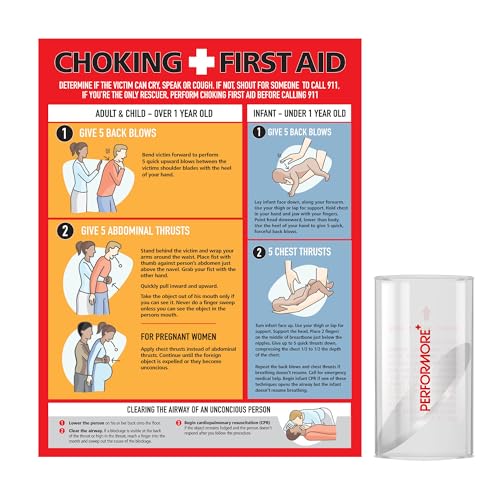
Small parts can be deadly. Use a choke tube tester and avoid toys with detachable small components for children under 3.
Non-Toxic Materials
Look for BPA-free, phthalate-free, and lead-free labels. Eco-friendly materials like wood and organic fabrics are safer choices.
Toy Recalls
Stay informed about toy recalls. Check the CPSC website regularly and sign up for recall alerts to protect your family.
Age-by-Age Safety Guide
Choosing the right toy for your child's age is the most effective way to prevent injuries. Here's a quick reference table to help you navigate:
| Age Group | Recommended Toys | Safety Tips |
|---|---|---|
| 0–12 Months | Baby toys, sensory toys, rattles, soft blocks | No small parts, no sharp edges, washable materials |
| 1–3 Years | Toddler toys, stacking toys, push-pull toys, bath toys | Avoid strings longer than 7 inches, ensure sturdy construction |
| 3–5 Years | Preschool toys, puzzles, arts & crafts, ride-on toys | Check for sharp edges, ensure paint is non-toxic, supervise play |
| 6–12 Years | Toys for 6-8 years, science kits, board games, RC toys | Watch for projectile hazards, electrical safety for battery-operated toys |
For more detailed guidance, explore our toys by age category pages, which include age-appropriate recommendations and safety notes.
Understanding Toy Materials & Safety
The material a toy is made from directly impacts its safety. Here's what you need to know about common toy materials:
- Wooden Toys: Look for non-toxic paints and smooth, splinter-free surfaces. Avoid toys with small, detachable parts.
- Plastic Toys: Check for BPA-free and phthalate-free labels. Avoid toys with a strong chemical smell.
- Fabric & Plush Toys: Ensure seams are strong and eyes/noses are securely attached. Machine-washable is a plus.
- Metal Toys: Look for rust-resistant coatings and smooth edges. Avoid toys with sharp points or exposed mechanisms.
- Eco-Friendly Materials: Natural rubber, organic cotton, and sustainably sourced wood are excellent choices for environmentally conscious parents.
Always check for safety certifications like ASTM, CE, or EN71, which indicate the toy meets rigorous safety standards.
Choking Hazard Prevention
Choking is the leading cause of toy-related deaths. Toys with small parts are a serious risk for children under 3 years old. Here are some practical tips:
- Use a choke tube: If a toy or part fits inside a toilet paper roll, it's a choking hazard for small children.
- Avoid marbles, coins, and small balls for children under 3.
- Check batteries: Battery compartments should be secured with a screw to prevent children from accessing button batteries.
- Inspect toys regularly: Look for loose parts, broken pieces, or wear that could create small fragments.
For more detailed information, visit our dedicated choking hazards page.
Toy Recalls & Safety Alerts
Even well-known brands can have safety issues. Stay proactive by monitoring toy recalls and safety alerts. The U.S. Consumer Product Safety Commission (CPSC) regularly publishes recall lists. Here's how to stay safe:
- Register your toys: Many manufacturers allow you to register your product for recall notifications.
- Sign up for alerts: Subscribe to CPSC email alerts or follow them on social media.
- Check second-hand toys: Thrifted or hand-me-down toys may be outdated or recalled. Always verify before use.
- Discontinue use immediately if a recall is issued for a toy you own.
Our toy recalls page is updated regularly to help you stay informed.
Safe Play Practices for Every Family
Beyond choosing safe toys, how you play matters too. Follow these best practices to create a safe play environment:
- Supervise playtime: Especially for young children, active supervision is key.
- Read instructions: Always read and follow the manufacturer's safety instructions.
- Maintain toys: Regularly clean and inspect toys for wear and tear. Learn how to clean plush toys and sanitize baby toys.
- Store toys properly: Use toy boxes and storage bins to keep floors clutter-free and prevent tripping.
- Educate children: Teach kids how to use toys safely, especially outdoor toys like trampolines and sports toys.
For more organization and safety tips, explore our toy organization section.
Ready to Shop Safe Toys?
Now that you're equipped with expert safety knowledge, browse our recommended toys below. Every product is carefully selected for quality, safety, and developmental value. Remember, a safe toy is a happy toy!
Have questions? Visit our toy safety guide homepage for more resources, or explore our gift guides for age-appropriate, safe gift ideas.