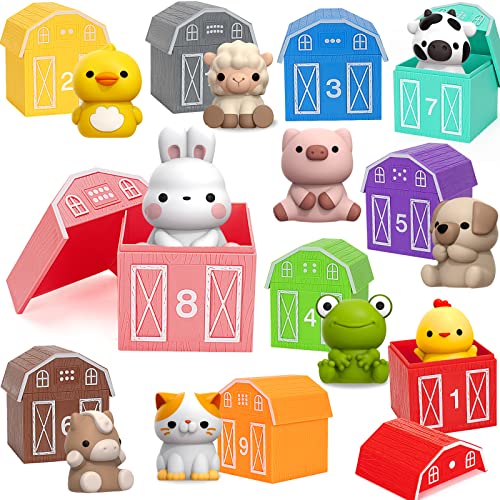
Toy Materials & Safety: A Parent’s Guide
From wood and plastic to fabric and metal – learn what’s safe, what to avoid, and how to choose durable, non-toxic toys that protect your child’s health and happiness.
Shop Safe Toys NowWhen it comes to children’s toys, safety is non-negotiable. But with so many materials and safety labels on the market, it can be overwhelming. This guide breaks down the most common toy materials – wood, plastic, fabric, metal, and eco-friendly alternatives – and explains the safety standards that matter. Whether you’re buying for a baby, toddler, or older child, understanding toy materials and safety helps you make informed, confident choices.
Why Toy Materials Matter for Child Safety
Children explore the world through their senses – they touch, taste, and sometimes even chew on their toys. The materials used in toys directly affect their health, development, and safety. Key concerns include:
- Toxicity: Harmful chemicals like lead, phthalates, BPA, and formaldehyde can be present in low-quality plastics and paints.
- Durability: Poorly made toys can break into small parts, creating choking hazards or sharp edges.
- Allergies: Some children are sensitive to certain fabrics, dyes, or latex.
- Sustainability: Eco-conscious parents also consider the environmental impact of toy production and disposal.
🔍 Quick Check: Always look for safety certifications like ASTM, EN71, or CE marks on packaging. These indicate that the toy meets rigorous safety standards.
For a deeper dive, explore our Toy Safety Guide and learn about Age Safety Labels to match toys to your child’s developmental stage.
Overview of Common Toy Materials
Each material has its own benefits and potential risks. Here’s what you need to know about the most popular options:
🪵 Wooden Toys
Durable, timeless, and often non-toxic. Look for FSC-certified wood and water-based paints. Avoid cheap laminates that may contain formaldehyde.
🧴 Plastic Toys
Lightweight and colorful. Choose BPA-free, phthalate-free plastics. Check for recycling codes #1, #2, #4, and #5 (safer types).
🧸 Fabric & Plush
Soft and cuddly. Opt for naturally hypoallergenic materials like organic cotton. Ensure seams are strong and eyes/noses are securely attached.
⚙️ Metal Toys
Common in cars, trains, and construction sets. Ensure edges are smooth and paint is lead-free. Stainless steel is a safer choice.
🌱 Eco-Friendly Materials
Bamboo, recycled plastic, and plant-based bioplastics are growing in popularity. Check for certifications like Green Seal or EcoLogo.
🎨 Paints & Finishes
Water-based, lead-free, and non-toxic finishes are essential. Avoid oil-based or solvent-based paints that can release VOCs.
For more details, visit our dedicated guides on Wooden Toys, Plastic Toys, Fabric & Plush Toys, and Metal Toys.
Understanding Toy Safety Standards & Certifications
Safety standards exist to protect children from harm. Here are the most important ones to look for:
- ASTM F963 – The U.S. standard for toy safety, covering physical, mechanical, and chemical hazards.
- EN71 – The European standard, with strict limits on heavy metals and flammability.
- CE Mark – Indicates the toy meets EU safety, health, and environmental requirements.
- CPSC – The U.S. Consumer Product Safety Commission regulates toys and issues recalls when necessary.
- FSC – For wooden toys, FSC certification ensures wood comes from responsibly managed forests.
Always check for these labels on the packaging. If a toy lacks any safety certification, it’s best to avoid it. Stay updated on Toy Recalls to ensure you’re not using a product that has been flagged for safety issues.
⚠️ Red Flag: If a toy has a strong chemical smell, loose parts, or flaking paint, do not buy it – even if it’s inexpensive.
Age-Specific Safety Tips
Safety needs change as children grow. Here’s a quick breakdown by age group:
- Babies (0–12 months): Avoid small parts, strings, and toxic materials. Opt for soft, washable toys. See our Baby Toys guide for safe options.
- Toddlers (1–3 years): Choking hazards are the biggest risk. Ensure all parts are larger than 1.25 inches (3 cm) in diameter. Check our Toddler Toys page.
- Preschoolers (3–5 years): Watch for sharp edges and small magnets. Supervise play with craft kits. Explore Preschool Toys.
- School-age (6+ years): More complex toys like science kits and electronics require proper supervision. Read our Toys for 6-8 Years and Toys for 9-12 Years guides.
For a comprehensive overview, visit our Toys by Age section, which includes safety tips for every stage.
Chemicals to Avoid in Toys
Some chemicals used in toy manufacturing are known to be harmful. Here’s what to watch out for:
- BPA (Bisphenol A): Found in some plastics, linked to hormonal disruptions.
- Phthalates: Used to soften plastic; can affect reproductive health.
- Lead & Heavy Metals: Often in paints and metal coatings; toxic to brain development.
- Formaldehyde: Found in some wood glues and laminates; a known carcinogen.
- Flame Retardants: Sometimes added to fabrics; can accumulate in the body over time.
Choosing toys labeled “non-toxic,” “BPA-free,” and “phthalate-free” is the safest approach. For more information, read our Non-Toxic Toys guide and learn about Eco-Friendly Materials.
Keeping Toys Safe: Cleaning & Maintenance
Even the safest toys can become dangerous if not properly maintained. Here are some essential care tips:
- Clean regularly: Wash plush toys, sanitize plastic toys, and wipe down surfaces to prevent germ buildup. See our Clean Plush Toys and Sanitize Baby Toys guides.
- Inspect for damage: Check for cracks, splinters, or loose parts that could become choking hazards.
- Store properly: Keep outdoor toys dry and store them indoors to prevent rust and mildew. Learn more at Store Outdoor Toys.
- Repair or discard: If a toy is broken beyond repair, recycle or discard it safely. Our Repair Toys guide offers practical fixes.
Proper care extends the life of toys and ensures they remain safe for your child. For more organization and maintenance tips, visit our Toy Organization hub.
Ready to Choose Safe Toys?
By understanding toy materials, safety standards, and potential hazards, you’re already ahead of the curve. Remember:
- ✅ Always check for safety certifications (ASTM, EN71, CE).
- ✅ Choose non-toxic, BPA-free, and phthalate-free materials.
- ✅ Match toys to your child’s age and developmental stage.
- ✅ Regularly clean and inspect toys for damage.
- ✅ Stay informed about product recalls.
Browse our recommended safe toys below – each product has been vetted for quality and safety. Or explore our Gift Guides for curated selections.