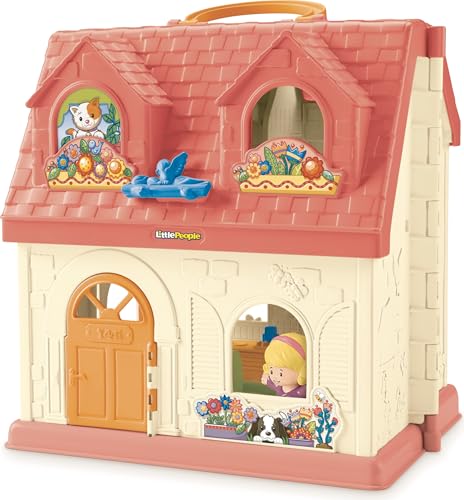
Dollhouses: The Complete Guide to Choosing the Perfect Miniature Home
From starter wooden cottages to elaborate collector-grade mansions — understand types, scales, materials, and play benefits before you decide. Everything a researcher needs to make a confident choice.
Explore the Buying GuideWhat Exactly Counts as a Dollhouse?
A dollhouse is a miniature dwelling — typically one or more stories — designed for small-scale figures, furniture, and accessories. The category spans open-ended wooden play structures for toddlers, foldable plastic sets for school-age children, and highly detailed miniature homes for adult hobbyists. If you are also comparing figures to live inside, our doll type comparison is a useful companion read. The common thread is imaginative play in a defined domestic space: kitchens, bedrooms, staircases, and gardens that invite storytelling.
Dollhouses differ from playsets in that they emphasize interior design and narrative continuity. A child returns to the same home again and again, rearranging furniture and inventing new chapters. That repeat-play quality is why dollhouses remain one of the most durable toy categories across generations.
The Main Types of Dollhouses
Before comparing individual models, understand the four structural families. Each serves a different age range, space requirement, and play style.
| Type | Best For | Key Characteristics | Tier Positioning |
|---|---|---|---|
| Wooden open-front dollhouse | Ages 3–8; first dollhouse | Sturdy, open facade, roomy interiors, often comes with furniture | Essential to mid-range tier |
| Foldable / portable dollhouse | Ages 4–10; travel and small spaces | Collapses flat, carry handle, self-contained accessories | Starter to mid-tier |
| Large multi-story mansion | Ages 6–12; immersive play | Elevator, multiple rooms, garage, detailed exteriors | Mid-range to premium tier |
| Collector / miniature scale model | Teens and adults | 1:12 or 1:24 scale, high-detail interiors, display quality | High-end to luxury tier |
If you are leaning toward a classic open-front design, our dedicated doll house overview expands on room layouts and furniture compatibility. For households with larger dolls, see the doll house for big dolls guide to avoid scale mismatches.
Understanding Dollhouse Scale (The Most Common Mistake)
Scale determines whether furniture, dolls, and accessories will fit together. Buying mismatched scales is the single most frequent source of frustration for first-time buyers. The three scales you will encounter most often:
1:12 scale — the classic hobby standard. One inch of dollhouse equals one foot in real life. Most collector furniture and detailed accessories follow this scale. It suits larger rooms and adult collectors, and it pairs naturally with the more elaborate builds discussed in the dollhouses category overview.
1:24 scale — half the size of 1:12. Common for compact wooden play sets and space-conscious homes. Furniture is smaller and the overall footprint is manageable on a shelf or play table.
1:6 and 1:18 scales — favored by fashion-doll and vehicle collectors respectively. If your child already owns fashion dolls, confirm the doll height fits the ceiling height of the house before committing.
Rule of thumb: decide the dolls first, then the house. A dollhouse that fits the child's favorite figures will be played with far more than one that merely looks impressive on a shelf.
Materials: Wood, Plastic, or Composite?
Material affects durability, assembly time, weight, and the sensory feel of play. Here is how the three main options compare in practice.
Solid wood (MDF or plywood core): The most durable option for young children. Reinforced joints handle repeated assembly and disassembly, and wooden houses tend to survive being handed down between siblings. Look for non-toxic finishes and rounded edges. Mid-range wooden sets usually balance sturdiness with manageable weight.
Molded plastic: Lightweight, easy to clean, and often the most feature-rich at the entry-level tier — built-in sounds, lights, and snap-together furniture. Plastic houses are ideal for travel and for children who like to reconfigure rooms frequently. Check for sturdy clip mechanisms, as the weakest point in plastic sets is usually the connector tabs.
Composite / cardboard-core with printed finishes: The lightest and most portable option, often found in foldable designs. Best suited for older children who play gently and for families who need to store the house away between sessions. Not recommended for toddlers who lean on walls or sit inside the structure.
Entry-Level, Mid-Range, and Premium: What Changes Between Tiers
Instead of thinking in absolute terms, compare dollhouses by what each tier typically delivers. This framing stays useful regardless of when you read this guide.
Starter Homes
Compact footprints, simplified room layouts, and a small starter set of furniture. Best for first-time dollhouse owners and children still developing fine motor control. Expect fewer decorative details but solid play value.
Balanced Family Homes
Multiple rooms, working doors, staircases, and often a garden or garage extension. Construction is sturdier and the furniture set is more complete. This tier usually offers the best long-term play return for growing families.
Flagship Mansions
Elevators, detailed exteriors, elaborate interiors, and premium materials. Built to be displayed as much as played with. A long-term investment for dedicated dollhouse enthusiasts and collectors.
As a general rule, mid-range models often deliver the smoothest assembly experience and the most balanced accessory sets. Entry-level sets are lighter and easier to move, while premium models reward buyers who plan to keep the dollhouse for years. If the child is also interested in miniature lighting, see the battery-operated dollhouse miniature lights guide — it explains which wiring setups suit which tiers.
The Pre-Purchase Checklist
- Confirm doll scale matches the house ceiling height
- Measure available floor or shelf space before ordering
- Check assembly time and tool requirements
- Verify age recommendation on the packaging
- Look for non-toxic, child-safe finishes
- Confirm furniture is included or sold separately
- Check whether the house folds or disassembles for storage
- Read reviews on joint durability and stability
Developmental Benefits of Dollhouse Play
Dollhouses are among the most researched toys in early childhood development. Their benefits are well documented across several domains:
Language and narrative skills: Children narrate scenes, assign dialogue, and sequence events — all of which build vocabulary and story comprehension. Empathy and social understanding: Role-playing family routines helps children process real-world relationships and emotions. Spatial reasoning: Arranging furniture and navigating multi-room layouts develops mental rotation and planning skills. Fine motor control: Placing tiny accessories and opening small doors strengthens dexterity.
For families building a broader playroom, pairing a dollhouse with other imaginative-play toys creates a richer environment. Our dolls for 4 and 5 year olds guide and dollhouse resource page are natural next reads. If the child enjoys custom characters, custom stuffed dolls can become the dollhouse residents.
Creative Dollhouse Play Ideas
A dollhouse rewards variety. These play prompts extend the toy's lifespan and keep children returning to it:
Story of the Day
Ask the child to invent a morning routine for the family living in the house — breakfast, school run, errands. Sequencing builds narrative skills.
Room Redesign Challenge
Rearrange one room each week. Discussing layout choices develops spatial reasoning and design vocabulary.
Neighborhood Connections
Place the dollhouse beside other playsets so characters visit neighbors. Cross-set storytelling multiplies play value.
Seasonal Decorating
Swap accessories for holidays or seasons. Rotating decor keeps the house feeling fresh without buying a new toy.
Frequently Asked Questions About Dollhouses
What age is a dollhouse appropriate for?
Most wooden and plastic play dollhouses are recommended for ages 3 and up, with small accessories often rated for 3+ or 4+. Collector-scale miniatures are intended for older children and adults because of small parts. Always follow the age label on the specific product.
Do I need to buy furniture separately?
It depends on the model. Entry-level sets often include a starter furniture pack, while mid-range and premium houses may include more complete sets or sell furniture separately. Check the product listing carefully — furniture completeness is one of the biggest practical differences between tiers.
How much space does a dollhouse need?
Compact foldable models can be stored on a shelf between sessions. Full-size multi-story houses generally need a dedicated corner or play table. Measure your available space before ordering, especially if the house has a garden or garage extension.
Are wooden dollhouses better than plastic?
Neither is universally better. Wooden houses tend to be more durable and heavier, suiting long-term family use. Plastic houses are lighter, easier to clean, and often more feature-rich at the entry level. Match the material to how the child plays and where the house will live.
Can dollhouses be passed down to younger siblings?
Yes — solid wood construction with reinforced joints is the most hand-me-down-friendly option. Check that small accessories are stored separately and that any lights or electronics can be removed before passing the house to a younger child.
Ready to Choose the Right Dollhouse?
Use the checklist above, confirm the scale against your child's favorite dolls, and decide on a tier that matches your long-term plans. Browse our curated selections below to compare features side by side.