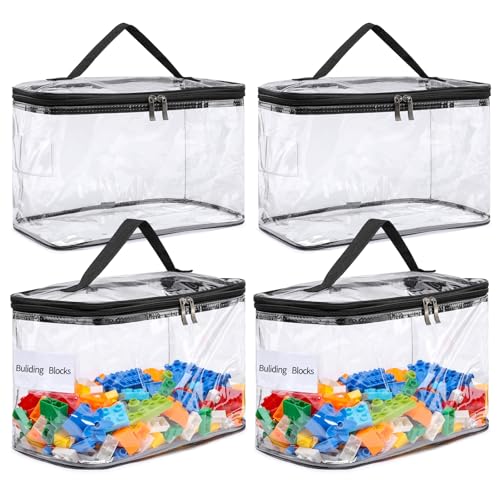
Building Block Storage Ideas: Organize Your Toy Bricks
Discover practical, space-saving ways to store building blocks, keep playrooms tidy, and make cleanup a breeze for kids and parents alike.
Explore Storage MethodsWhy Block Storage Matters: Building blocks spark creativity, but loose bricks underfoot can turn playtime into a hassle. A smart storage system protects your blocks, speeds up cleanup, and encourages kids to build more often. This guide covers storage methods, organization strategies, and practical tips for every space and family.
Top Storage Methods for Building Blocks
Choosing the right storage depends on how many blocks you own, how they are used, and the space available. Below are the most effective approaches, ranked by their practical fit for different households.
Clear Plastic Bins
Transparent bins let kids see contents at a glance. Choose stackable models with lids for easy sorting and dust protection. Ideal for families starting their building block sets collection.
Rolling Drawer Carts
A multi-drawer cart on wheels keeps blocks accessible and mobile. Label each drawer by color or shape. Great for playrooms that double as living spaces, since the cart rolls away when playtime ends.
Dedicated Storage Stations
Purpose-built furniture with cubbies, trays, and sorting bins creates a permanent building zone. This top-tier solution works well for serious builders with large collections and a dedicated play area.
Zip-Top Bags by Set
Store each set in its own labeled bag, then place bags in a larger bin. This method keeps instruction manuals useful and makes rebuilding specific models quick and frustration-free.
Under-Bed Rolling Containers
Low-profile bins on casters slide under beds, freeing floor space. Use shallow trays inside for sorting. A smart pick for bedrooms where floor area is limited.
Wall-Mounted Sorting Systems
Wall rails with hanging bins transform empty wall space into a sorting station. This commercial-grade approach suits playrooms with limited floor area and heavy daily block use.
Sorting Strategies: Color, Shape, or Set?
How you sort matters as much as what you store in. The right system depends on your child's age and building style. Younger builders benefit from simple color sorting, while advanced builders often prefer sorting by piece type.
| Sorting Method | Best For | Pros | Considerations |
|---|---|---|---|
| By Color | Ages 3–6, large collections | Intuitive and fast cleanup | Specialty pieces can get mixed in |
| By Shape | Ages 7+, detail-focused builders | Speeds up finding specific pieces | Requires more bins and labels |
| By Set | Collectors, instruction-based builders | Keeps models rebuildable | Loose creative bricks need a separate bin |
| Hybrid System | Most families | Balances creativity and order | Needs a simple, consistent labeling habit |
A hybrid approach works well for most homes: keep loose creative bricks in color bins, store specialty sets in labeled bags, and maintain a small "current project" tray where active builds can stay out without cluttering the floor. Pairing this with a toy organization routine keeps the whole playroom in check.
Space-Saving Ideas for Small Playrooms
Small spaces demand clever storage. These ideas help you maximize every corner without sacrificing play area.
- Go vertical: Install wall shelves or pegboards above the play zone to hold bins and baseplates.
- Use multi-purpose furniture: Storage ottomans and benches double as seating and block storage.
- Adopt a toy rotation: Keep only some blocks accessible at a time and swap them out periodically to reduce clutter and renew interest.
- Stack shallow trays: Shallow trays sort by piece type and stack neatly on shelves, making every block visible.
- Repurpose under-stair space: Pull-out drawers or bins under stairs can hold large block collections out of sight.
For more inspiration on keeping play areas functional and fun, explore our playroom organization guide and these building block storage ideas for additional layouts.
Labeling and Maintenance Tips
A storage system only works if the family can maintain it. Labels and simple habits make the difference between a tidy block zone and a brick avalanche.
- Use picture labels for young children who cannot read yet.
- Keep a laminated inventory sheet inside each large bin for set-based storage.
- Set a five-minute cleanup timer after play sessions to prevent buildup.
- Store instruction manuals in a binder with page protectors so they stay flat and easy to find.
- Place a small "lost pieces" jar near the storage area for stray bricks.
These habits also extend the life of your blocks. Clean bricks with a damp cloth and mild soap, and check for cracked pieces during seasonal cleanouts. For families with younger builders, our guides on building blocks for 2-year-olds and building blocks for preschoolers offer age-appropriate storage and play advice.
Frequently Asked Questions
What is the best way to store building blocks?
The best storage method depends on the volume and type of blocks. Clear bins with dividers work well for sorting by color or shape, while rolling drawer carts offer mobility. For large collections, a dedicated storage station with labeled compartments keeps everything accessible.
How do I keep building blocks organized by set?
Use individual zip-top bags or small containers for each set, then store these inside a larger bin. Label each bag with the set name or number. Keep instruction manuals in a binder with page protectors so they stay flat and easy to find.
What are space-saving storage ideas for small playrooms?
Consider vertical storage like wall-mounted bins or shelves, under-bed rolling containers, and multi-purpose furniture such as storage ottomans. A toy rotation system also reduces clutter by keeping only a portion of blocks accessible at any time.
Should I sort building blocks by color or by shape?
Both methods work well. Sorting by color is visually intuitive and speeds up cleanup for younger children. Sorting by shape or function helps advanced builders find specific pieces quickly. Many families use a hybrid system with separate bins for common colors and specialty pieces.
Ready to Organize Your Block Collection?
Browse our recommended storage-friendly building sets and organization tools to get started.
Explore Building Toys