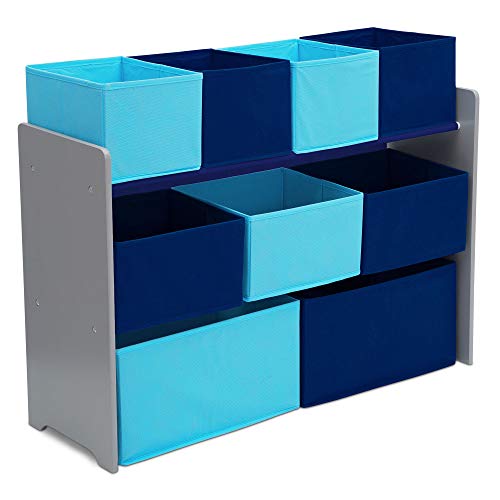
Toy Shelves: The Complete Guide to Organizing Your Child's Play Space
Transform chaotic playrooms into organized, inspiring spaces with the right toy shelves. Expert advice on storage solutions, organization methods, and space-saving ideas for every home.
Explore Toy Shelf OptionsEvery parent knows the struggle: toys seem to multiply overnight, and before long, the playroom becomes an obstacle course of building blocks, dolls, and stuffed animals. The solution isn't simply buying more storage bins—it's choosing the right toy shelves that combine accessibility, safety, and style. A well-designed shelving system doesn't just contain the clutter; it empowers children to take ownership of their belongings, encourages independent play, and makes cleanup a breeze.
In this comprehensive guide, we'll walk you through everything you need to know about selecting toy shelves for your home. From understanding the different types of shelving units to evaluating materials and safety features, we'll help you make an informed decision. Whether you're setting up a nursery, organizing a shared playroom, or looking for space-saving solutions for a small apartment, you'll find actionable advice tailored to your needs.
🧸 Why Toy Shelves Matter: Research in child development shows that organized play spaces lead to longer, more focused play sessions. When toys are visible and accessible, children engage more deeply and rotate through activities more naturally. A quality shelving unit is an investment in your child's development—and your sanity.
The Benefits of Investing in Quality Toy Shelves
Before diving into the specifics of shelf types and materials, it's worth understanding why a dedicated shelving system outperforms simple storage bins or toy chests. The benefits extend far beyond mere tidiness.
🗂️ Visibility & Accessibility
Open shelving puts toys on display, making it easy for children to see what's available and choose their own activities. This fosters independent decision-making and reduces the "out of sight, out of mind" problem that leads to forgotten toys.
🧠 Encourages Organization
When children have a designated spot for each toy category, they learn sorting and categorization skills. A labeled shelf system turns cleanup into a learning activity rather than a chore.
🛡️ Safety & Stability
Purpose-built toy shelves are designed with child safety in mind—rounded edges, tip-over protection, and age-appropriate heights. Unlike makeshift storage, they're engineered to withstand the demands of active play.
🔄 Supports Toy Rotation
A shelving system pairs perfectly with a toy rotation system, allowing you to display a curated selection of toys while storing the rest. This keeps play fresh and prevents overwhelm.
🏠 Aesthetics & Home Harmony
Modern toy shelves are available in designs that complement home decor—from Scandinavian-inspired wood units to colorful modular systems. You no longer need to sacrifice style for functionality.
📈 Long-Term Value
A well-constructed shelving unit adapts as your child grows. What starts as a toddler-friendly low shelf can transition to a homework station or display shelf for older children. It's a long-term investment in your home's organization.
Types of Toy Shelves: Finding the Right Fit for Your Space
Not all toy shelves are created equal. The right choice depends on your available space, your child's age, and your organizational goals. Here's a breakdown of the most common types you'll encounter.
Low-Profile Open Shelves
Designed specifically for toddlers and preschoolers, these shelves sit close to the ground and feature open cubbies or tiered ledges. They put toys at eye level for little ones, promoting independent access and reducing the risk of climbing.
Best for: Toddlers (ages 1–4), Montessori-style playrooms
Cube Organizers
Modular cube shelving systems offer flexibility—you can arrange them in rows, stacks, or L-shapes. They typically accommodate fabric bins or baskets, allowing you to mix open display with concealed storage.
Best for: Multi-age families, flexible room layouts
Bookcase-Style Shelves
Traditional bookcases with adjustable shelves work well for older children who have collections of books, board games, and display-worthy toys. Look for models with anti-tip straps and sturdy construction.
Best for: School-age children (6+), shared playrooms
Corner Shelves
Maximize unused corners with triangular or curved corner shelving units. These are excellent space-savers in smaller rooms and can hold a surprising amount of toys in a compact footprint.
Best for: Small rooms, apartments, bedrooms
Wall-Mounted Shelves
Floating shelves and wall-mounted units keep toys off the floor entirely, freeing up play space. They're ideal for displaying collectibles or keeping frequently used items within easy reach.
Best for: Limited floor space, display-focused organization
Rolling Cart Shelves
Portable shelving carts with wheels allow you to bring toys to the play area and roll them away when done. They're perfect for families who need flexibility or who frequently rotate play spaces.
Best for: Multi-purpose rooms, families on the go
Understanding Toy Shelf Tiers: A Relative Comparison
Toy shelves span a wide spectrum of construction quality and design sophistication. To help you navigate the market without focusing on specific figures, we've categorized products into four universal tiers. This framework reflects relative market positioning and helps you set expectations for durability, materials, and features.
| Tier | Typical Materials | Key Characteristics | Best For |
|---|---|---|---|
| Entry-Level | Engineered wood, plastic, basic laminates | Functional design, lightweight construction, straightforward assembly | Starter nurseries, temporary setups, secondary play areas |
| Mid-Range | Solid wood composites, reinforced joints, quality finishes | Balanced durability and design, adjustable shelving, anti-tip hardware | Primary playrooms, growing families, everyday use |
| Premium | Hardwood, birch plywood, non-toxic finishes | Heirloom-quality construction, modular flexibility, refined aesthetics | Design-conscious homes, long-term investment, Montessori environments |
| Luxury | Solid hardwood, custom joinery, premium hardware | Bespoke design, exceptional durability, integrated safety features | High-end interiors, collector displays, legacy furniture pieces |
As a general rule, mid-range and premium tiers offer the best balance of longevity and functionality for most families. Entry-level options can serve well in secondary spaces or as a first shelf for a toddler, while luxury pieces are best viewed as long-term furniture investments. For more guidance on selecting age-appropriate storage, explore our toy organization hub.
Materials and Safety: What to Look For
The material composition of your toy shelf affects everything from durability to indoor air quality. Here's what to prioritize:
- Solid wood and hardwood: The most durable option, naturally resistant to wear and tear. Look for FSC-certified wood and water-based, non-toxic finishes. These shelves can last for decades and often become family heirlooms.
- Birch plywood and high-quality composites: A practical middle ground. Birch plywood offers excellent strength-to-weight ratio and takes finishes well. Ensure composite materials meet low-emission standards (E0 or E1 ratings).
- Engineered wood (MDF, particleboard): Common in entry-level and mid-range products. Quality varies significantly—look for dense, well-sealed boards with reinforced joinery. These are suitable for light-to-moderate use.
- Plastic and resin: Lightweight, easy to clean, and often weather-resistant. Best for outdoor play areas or temporary setups. Check for BPA-free and phthalate-free certifications.
- Metal frames: Industrial-style shelving offers exceptional strength and a modern aesthetic. Ensure edges are rounded or capped and that the finish is rust-resistant.
🛡️ Critical Safety Checklist
- Anti-tip anchoring: Every toy shelf taller than 30 inches should be secured to the wall with included or purchased anti-tip straps. This is non-negotiable for households with young children.
- Rounded edges and corners: Look for shelves with softened edges or add protective corner guards, especially in toddler spaces.
- Weight distribution: Place heavier items on lower shelves and distribute weight evenly. Never overload upper shelves.
- Non-toxic finishes: Choose products with water-based paints, low-VOC finishes, and no lead or heavy metals. Certification labels like GREENGUARD Gold provide assurance.
- Age-appropriate height: For children under 5, the top of the shelf should be within easy reach (no higher than 36 inches) to discourage climbing.
- Stable base: Wide, level feet prevent wobbling. Avoid shelves with narrow bases or wheels that lack locking mechanisms in toddler areas.
Smart Organization Strategies for Toy Shelves
A shelf is only as good as the system behind it. These proven strategies will help you maximize your shelving investment and create a space your child can maintain independently.
- Zone by activity: Dedicate specific shelves or sections to categories—art supplies, building blocks, dolls, puzzles, and books. Use visual labels (pictures for pre-readers) to reinforce the system.
- Implement toy rotation: Store 70–80% of toys out of rotation and display a curated selection on the shelf. Rotate every few weeks to keep engagement high. Learn how in our toy rotation system guide.
- Use the "eye-level rule": Place the most frequently used toys at your child's eye level. Reserve upper shelves for lighter, decorative, or adult-supervised items.
- Pair open and closed storage: Combine open shelf display with fabric bins or baskets for small items. This balances visual appeal with practical concealment of clutter.
- Anchor bins to shelves: Use shelf dividers or small trays to keep bins from sliding. This prevents the "everything falls off when I pull one bin" problem.
- Create a return routine: Establish a simple daily reset ritual—5 minutes before dinner or bedtime—where the family restores the shelf to its baseline. Consistency is key to long-term success.
- Prioritize breathable materials: For plush toys and dress-up items, choose open-wire or slatted shelves that allow air circulation and prevent mustiness.
- Consider growth: Adjustable shelves accommodate changing needs. A shelf that works for a 2-year-old should adapt to a 6-year-old's books and games.
For families looking to reduce toy volume altogether, our guide on toy gift guides can help you choose more intentional gifts that won't overwhelm your storage system. And if you're organizing a full playroom overhaul, the toy organization section offers deeper dives into decluttering and room layout.
Key Considerations Before You Buy
Before clicking "add to cart," run through this decision framework to ensure your chosen shelf meets your household's specific needs.
📏 Measure Your Space First
Never buy a shelf without measuring the intended wall space, ceiling height, and doorway clearance. Account for baseboards, outlets, and window ledges. A shelf that fits perfectly will look custom-built.
👶 Consider Your Child's Age
Toddlers need low, open shelves with rounded edges. Preschoolers benefit from labeled bins and accessible heights. School-age children can handle taller units with adjustable shelving. Age-appropriate design reduces safety risks and supports independence.
⚖️ Evaluate Load Capacity
Check the per-shelf weight rating. Board games, books, and heavier toys add up quickly. A shelf rated for 20 pounds per shelf may struggle with a full row of hardcover books. Look for reinforced shelf pins and thick shelf boards.
🔧 Assess Assembly Complexity
Some shelves require 30 minutes and a screwdriver; others demand hours and a drill. Read reviews about assembly difficulty. If you're not handy, prioritize tool-free or pre-assembled options.
🎨 Match Your Aesthetic
The shelf will live in your home for years. Choose a finish and style that complements your decor—whether that's natural wood, white, pastel, or bold colors. A shelf you love looking at is a shelf you'll maintain.
📦 Plan for Future Needs
Will this shelf transition to a big-kid room? Can it move to a home office or living room later? Modular and neutral designs offer the most longevity. Consider how the shelf will serve your family in 5–10 years.
Frequently Asked Questions About Toy Shelves
What height should a toy shelf be for a toddler?
How do I prevent my child from pulling shelves over?
Are open shelves or closed bins better for toy storage?
How do I organize toys on shelves effectively?
What's the best material for a child's toy shelf?
Can toy shelves be used for other purposes as my child grows?
How often should I reorganize my child's toy shelf?
Bringing It All Together: Your Toy Shelf Journey
Choosing toy shelves is about more than storage—it's about creating an environment where play flourishes, independence grows, and mess stays manageable. By understanding the different types of shelving, prioritizing safety, and implementing a thoughtful organization system, you're investing in your child's development and your home's harmony.
Start with a clear assessment of your space and your child's needs. Measure twice, anchor securely, and embrace the power of visible, accessible storage. Whether you choose a simple low-profile unit for a toddler's bedroom or a modular cube system for a shared playroom, the right shelf transforms chaos into calm.
Ready to explore specific shelving options? Browse our recommended toy shelves below, and don't forget to check out the toy organization hub for more storage strategies. For families managing large toy collections, our toy rotation system guide is an essential next read.