🎯 The Ultimate Toy Box Guide
Find the perfect toy storage solution for your playroom, bedroom, or nursery. From classic wooden chests to modern modular systems, we help you choose the right toy box for every age and space.
SHOP TOP TOY BOXES🧸 Why a Toy Box Matters: A great toy box is more than just storage—it's a tool for teaching responsibility, maximizing play space, and keeping your home tidy. Whether you're looking for a toy organization system that grows with your child or a beautiful chest that doubles as décor, we've got you covered with expert reviews and practical buying advice.
Types of Toy Boxes: Which One Is Right for You?
🪵 Wooden Toy Boxes
- Classic & durable – heirloom-quality pieces that last for generations.
- Style options – from rustic farmhouse to sleek modern designs.
- Safety first – look for rounded corners and slow-close hinges.
- Best for – traditional nurseries and playrooms with a timeless aesthetic.
💡 Tip: Many wooden toy boxes can be personalized with your child's name.
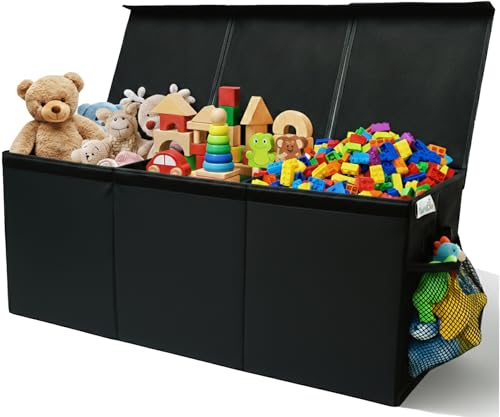
🧵 Fabric & Canvas Bins
- Lightweight & portable – easy to move from room to room.
- Collapsible – save space when not in use.
- Budget-friendly – great for temporary or flexible storage.
- Best for – smaller spaces, rental homes, or as supplementary storage.
💡 Tip: Look for reinforced handles and washable materials.
📦 Plastic Storage Totes
- Durable & waterproof – ideal for outdoor or messy toys.
- Stackable – maximize vertical space in closets or garages.
- Transparent options – see contents at a glance.
- Best for – bulk storage, seasonal toy swaps, or outdoor play equipment.
💡 Tip: Choose latching lids to keep contents secure.
🛋️ Multi-Functional Furniture
- Bench seating – combine storage with a cozy reading nook.
- Ottomans with storage – hide toys in plain sight.
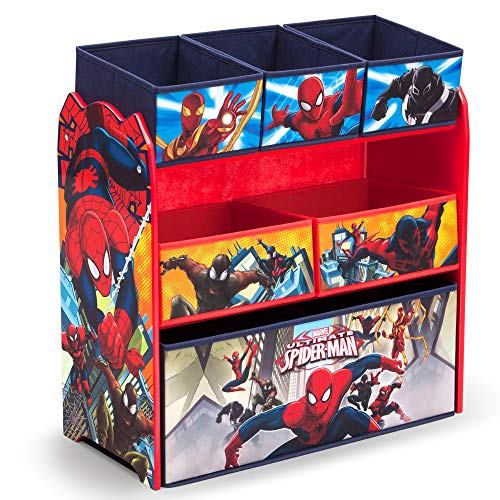
- Bookshelf + bin combos – all-in-one organization.
- Best for – small spaces where every piece of furniture needs to pull double duty.
💡 Tip: Check weight limits if the bench will be used for sitting.
How to Choose the Perfect Toy Box
🔑 Key Factors to Consider:
- Safety: Ensure the toy box has safety hinges that prevent the lid from slamming shut. Look for rounded edges and non-toxic finishes. Always check for toy safety guidelines.
- Size & Capacity: Measure your space and consider how many toys you need to store. A box that's too small will quickly overflow, while one that's too large may dominate the room.
- Material: Wood offers durability and style; plastic is lightweight and easy to clean; fabric is portable and soft. Choose based on your lifestyle and the room's décor.
- Design & Accessibility: Can your child open and close the lid easily? Is the box low enough for little hands to reach? Consider a design that encourages independent clean-up.
- Versatility: Will this box grow with your child? Some toy boxes can be repurposed as a blanket chest or extra seating later on.
Smart Toy Box Organization Tips
🧩 Sort by Category
Use smaller bins inside the toy box to group similar items: building blocks, action figures, dolls, art supplies. This makes clean-up faster and playtime more focused.
Storage bins are a great way to create a system within your toy box.
🔄 Rotate Toys Seasonally
Keep the toy box fresh by rotating toys every few months. Store off-season toys in stackable totes and bring out new ones to reignite interest and reduce clutter.
Learn more about the toy rotation system for long-term organization.
🏷️ Label Everything
Use picture labels for pre-readers and word labels for older kids. Labeling helps children identify where things belong and fosters independence.
Explore creative labeling toys ideas for your playroom.
📏 Maximize Vertical Space
If floor space is limited, consider a toy box that doubles as a bench or stack multiple bins on a sturdy shelf. Vertical storage can transform a small room.
Check out our guide to vertical toy storage for more ideas.
Toy Boxes for Every Age
👶 Babies (0–2)
Choose a toy box with a soft-close lid, rounded edges, and non-toxic materials. Look for a design that's low to the ground so little ones can safely reach their sensory toys and soft blocks.
🧒 Toddlers (3–5)
At this stage, toy boxes should be accessible and encourage independence. Consider a bench-style box that doubles as seating. Perfect for storing building toys and dress-up clothes.
🧑 School Age (6+)
Older kids often have more specialized toys. A modular system with drawers and shelves can accommodate toys for 6-8 years, board games, and hobby supplies. Look for boxes that can be stacked or configured as interests change.
DIY & Creative Toy Box Ideas
🛠️ Get Creative with Storage: You don't always need to buy a new toy box. Repurpose an old trunk, crate, or even a large wicker basket. Paint it to match your child's room or add decals for a personalized touch. Upcycling is not only budget-friendly but also eco-friendly. Check out our guide to eco-friendly toy materials for more sustainable choices.
Frequently Asked Questions About Toy Boxes
❓ Are toy boxes safe for toddlers?
Yes, as long as they have safety hinges that prevent the lid from falling and are made of non-toxic materials. Always supervise young children during play.
❓ What size toy box do I need?
Measure the space where you plan to place it. A good rule of thumb: the toy box should be large enough to hold a significant portion of your child's toys but not so large that it becomes a climbing hazard.
❓ Can I use a toy box for other things?
Absolutely! Many toy boxes double as benches, coffee tables, or blanket chests. Versatile storage is a smart investment for growing families.
❓ How do I clean a toy box?
Wooden toy boxes can be wiped down with a damp cloth. Fabric bins are often machine-washable. Always check the manufacturer's care instructions.