Cooperative Play Activities
Discover how group games, shared projects, and teamwork can build essential social skills in children. From board games to collaborative building, find the best cooperative play ideas for every age.
Explore Activities🤝 What is Cooperative Play? Cooperative play is a stage of play where children interact with each other to achieve a common goal. It involves sharing, taking turns, communicating, and working together. This type of play is crucial for developing social skills, empathy, and problem-solving abilities. Our guide helps you choose the best toys and activities to encourage cooperative play in your children.
Benefits of Cooperative Play
- Social Skills: Children learn to share, negotiate, and resolve conflicts.
- Communication: Group activities encourage verbal expression and active listening.
- Empathy: Working together helps children understand and respect others' feelings.
- Problem-Solving: Cooperative tasks require critical thinking and teamwork.
- Confidence: Achieving goals as a group builds self-esteem and a sense of belonging.
Top Cooperative Play Activities
Board Games
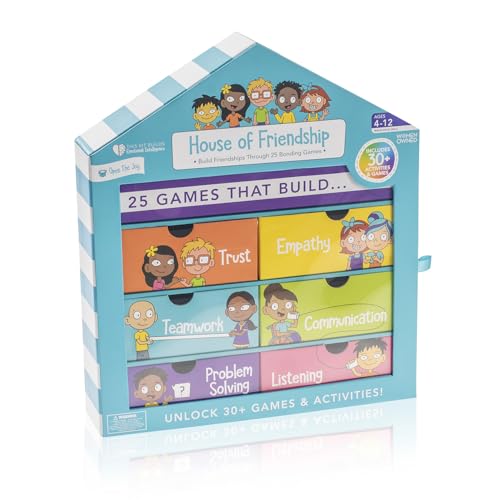
Games like cooperative board games where players work together against the game, not each other. Perfect for family game nights and teaching teamwork.
Building Challenges
Using building blocks or magnetic tiles, children can collaborate to build large structures, fostering creativity and joint problem-solving.
Role-Playing Games
Imaginative play like pretending to run a restaurant or a hospital encourages children to assign roles and work as a team.
Outdoor Group Games
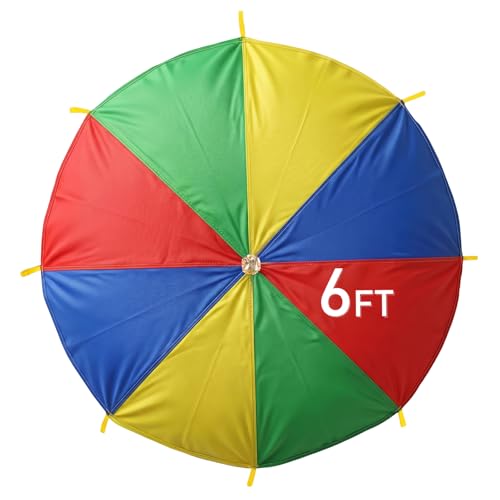
Activities like obstacle courses or scavenger hunts that require teamwork and physical cooperation.
Puzzle Solving
Working on a large floor puzzle or a complex jigsaw together teaches patience and collective strategy.
Art Projects
Creating a mural or a group collage encourages children to share materials, ideas, and work towards a shared artistic vision.
Cooperative Play by Age Group
For Toddlers (1-3 Years)
Start with simple parallel play activities like building blocks side-by-side. Introduce games like toddler-friendly rolling a ball back and forth.
For Preschoolers (3-5 Years)
Encourage group pretend play and simple board games. Activities like sensory bins can be done in small groups.
For School-Age (6-12 Years)
More complex board games, team sports, and group projects like science experiments are great for this age.
For Teens (13+ Years)
Strategy games, escape room puzzles, and community service projects can foster deep cooperative skills.
Tips for Encouraging Cooperative Play
- 👨👩👧👦 Model the Behavior: Show your children how to work together by participating in activities with them.
- 🏆 Celebrate Teamwork: Praise the group's effort and collaboration, not just the outcome.
- 🧸 Choose the Right Toys: Select toys that require multiple players, such as family board games or building sets.
- 🕊️ Create a Safe Space: Ensure the environment is safe and welcoming for children to express themselves and try new things.
🌟 Why It Matters: Cooperative play is not just about fun; it's a fundamental part of child development. It prepares children for school, relationships, and eventually the workplace. By fostering these skills early, you're giving your child a lifelong advantage.
For more ideas on structured group activities, check out our guides on group play ideas and play-based learning. If you're looking for quieter alternatives, explore our quiet time activities. For outdoor fun, our backyard play ideas page offers many cooperative games.