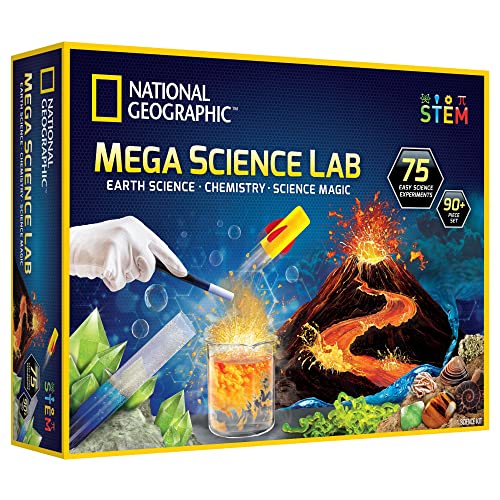
Chemistry Sets: Spark Curiosity with Safe & Educational Science Kits
Transform your kitchen table into a real laboratory. Discover how a quality chemistry set builds STEM skills, critical thinking, and a lifelong love of science — safely and affordably for every age group.
EXPLORE CHEMISTRY SETS🧪 Why a Chemistry Set Belongs in Every Home: A chemistry set is more than a toy — it is a hands-on gateway to scientific discovery. Children who experiment at home develop sharper observation skills, learn the scientific method firsthand, and build confidence through trial and error. Whether your child is a curious preschooler or a future lab scientist, there is a chemistry set designed for their stage of development.
What to Look For in a Great Chemistry Set
Before diving into specific recommendations, it helps to understand the key factors that separate a safe, rewarding chemistry kit from a frustrating one. Focus on these four pillars:
🔬 Safety First
Non-toxic chemicals, child-safe equipment, and clear age ratings are non-negotiable. Look for kits that include goggles and gloves.
📘 Guided Experiments
A well-written manual with illustrated steps keeps children engaged and turns curiosity into structured learning.
🧰 Reusable Equipment
Beakers, test tubes, and safety gear made from durable materials let kids repeat experiments and grow with the kit.
Chemistry Sets by Tier: Finding the Right Match
Use this comparison table to understand how chemistry sets differ across quality tiers. This helps you align your choice with your child's age, interest level, and your family's comfort with hands-on science.
| Tier | Best For | Key Features |
|---|---|---|
| Starter Tier | Ages 4–6, first-time explorers | Simple, safe experiments with household-style materials; large illustrated cards; focus on sensory discovery. |
| Essential Tier | Ages 7–10, curious learners | Real beakers and test tubes; 20+ guided experiments; introduction to chemical reactions and pH. |
| Balanced Tier | Ages 10–13, enthusiastic hobbyists | Comprehensive lab equipment; 50+ experiments; crystal growing, chromatography, and basic lab techniques. |
| High-End Tier | Ages 13+, serious young scientists | Professional-grade glassware; advanced reaction kits; detailed theory explanations and lab journaling. |
| Top-Tier / Professional-Grade | Teens and adult hobbyists | Research-style equipment, precision instruments, and comprehensive experiment libraries for long-term study. |
Safety Guidelines for Home Chemistry Experiments
Chemistry sets are designed to be safe when used correctly. Always supervise young children and establish a few simple ground rules before the first experiment:
- Always read the manual and age recommendations before opening the kit.
- Wear included safety goggles and gloves during every experiment.
- Work in a well-ventilated area and keep a clean, organized workspace.
- Never taste, eat, or drink any materials from a chemistry set.
- Store chemicals and equipment out of reach of younger siblings.
- Dispose of experiment waste according to the manual's instructions.
The Educational Power of Chemistry Sets
A chemistry set is one of the most effective STEM tools available. Unlike passive screen time, hands-on experimentation engages multiple senses and reinforces learning through direct experience. Children practice reading instructions, measuring ingredients, observing changes, and recording results — all core skills for STEM learning and future academic success.
Chemistry kits also pair wonderfully with other educational toys. Families who enjoy building block sets and educational toys often find that chemistry sets naturally extend their child's problem-solving habits into the world of physical science. For children who love strategy and logic, board games make an excellent companion for rainy-day learning.
For families planning a full learning space, consider pairing a chemistry set with organized storage ideas from our building block storage guide to keep lab equipment tidy and accessible.
How to Choose a Chemistry Set by Age
Ages 4–6: Prioritize sensory-safe kits with large pieces and simple cause-and-effect experiments. These starter-tier sets introduce the idea of mixing and observing without complex instructions.
Ages 7–10: Essential-tier kits with real glassware and guided experiments are ideal. Children at this age can follow multi-step instructions and understand basic safety rules.
Ages 10–13: Balanced-tier kits offer more experiments and deeper concepts. Crystal growing, pH testing, and simple chromatography keep enthusiastic learners engaged.
Ages 13+: High-end and top-tier kits provide professional-grade equipment and advanced experiments that prepare teens for laboratory science courses.
Related Science & Learning Resources
Chemistry is just one branch of the science toy universe. If your child enjoys experiments, explore our broader educational toys collection for more hands-on learning ideas. For children who prefer building and engineering, our building toys guide offers excellent alternatives. And for families looking for smart buying advice across all toy categories, our toy buying guides provide practical, tier-based recommendations.
Frequently Asked Questions About Chemistry Sets
Are chemistry sets safe for young children?
Yes, when age-appropriate and used under adult supervision. Starter-tier chemistry sets are specifically designed for young children with non-toxic materials and simple experiments. Always follow the age rating on the packaging.
What age is best to start with a chemistry set?
Children as young as 4 can enjoy starter-tier sets with adult help. Most comprehensive chemistry sets are recommended for ages 8 and up, when children can follow written instructions independently.
Do chemistry sets come with all necessary materials?
Quality chemistry sets include most chemicals, glassware, and safety gear. Some experiments may require common household items like water or vinegar, which are clearly listed in the manual.
How many experiments are included in a typical chemistry set?
Starter-tier kits usually include 10–20 experiments, while balanced-tier and high-end sets can feature 50 to over 100 guided experiments. More experiments generally mean greater long-term learning value.
Can a chemistry set be reused?
Yes. The equipment (beakers, test tubes, goggles) is reusable, but consumable chemicals may need replenishing. Many brands sell refill packs separately, making the kit a long-term learning investment.
Ready to Spark a Love for Science?
Browse our curated selection of chemistry sets below. Each option is chosen for safety, educational value, and age-appropriate engagement.
VIEW RECOMMENDED CHEMISTRY SETS