Choking Hazards in Toys: A Parent's Safety Guide
Every year, thousands of children are treated for toy-related choking incidents. Understanding the risks, knowing what to look for, and following age guidelines can save lives. This guide empowers you to make safe, informed choices.
READ THE FULL SAFETY GUIDE →🔍 Why This Matters: Choking is the fourth leading cause of unintentional injury death among children under 5. Toys with small parts, detachable components, or those that can be compressed to fit into a child's mouth pose a significant risk. This page provides a comprehensive overview of choking hazards, how to identify them, and practical steps to protect your child.
What Are Choking Hazards?
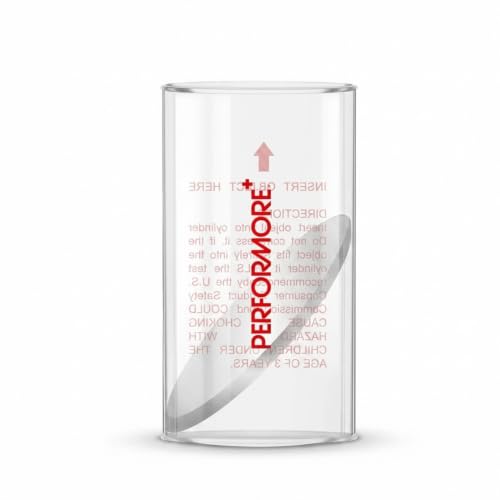
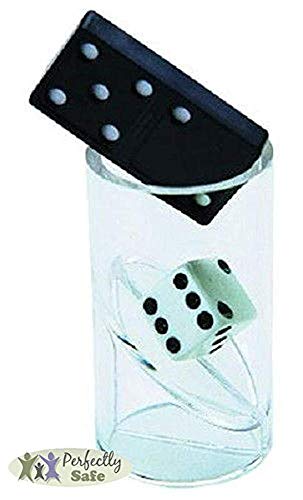
A choking hazard is any object that can become lodged in a child's airway, blocking breathing. For toys, this typically involves small parts that can be swallowed or inhaled. The U.S. Consumer Product Safety Commission (CPSC) defines a small part as any object that fits entirely within a specially designed cylinder that approximates a child's throat.
Common culprits include: small building blocks, marbles, balls, toy parts that detach (like eyes from stuffed animals), and toys with small, removable pieces. Even seemingly harmless items like doll shoes or action figure accessories can pose a risk. Always check the age safety labels on packaging, which are a crucial first line of defense.
Quick Safety Checklist
🔎 The "Choke Tube" Test
If a toy or its part fits into a cardboard toilet paper roll, it's too small for children under 3.
📏 Check the Size
Any toy part smaller than 1.25 inches (3.2 cm) in diameter is a potential choking hazard for young children.
🧩 Evaluate the Toy
Consider the toy's durability. Will it break into small pieces? Are parts easily detachable?
📋 Read the Label
Always look for age recommendations and choking hazard warnings on the toy's packaging.
Age-by-Age Choking Risk Guide
The risk of choking changes as a child develops. Understanding these stages helps you choose age-appropriate toys and supervise play effectively.
| Age Group | Risk Level | Safe Toy Examples | What to Avoid |
|---|---|---|---|
| 0–12 Months | 🔴 Very High | Soft rattles, teething rings, cloth books, large sensory balls | Any small parts, marbles, toys with sharp edges, or detachable pieces |
| 1–3 Years | 🔴 High | Large building blocks, sturdy push/pull toys, pretend play sets with large parts | Small construction pieces, magnet toys, toys with long strings, or anything that fits in the mouth |
| 3–5 Years | 🟠 Moderate | Building sets (with larger bricks), puzzles (with larger pieces), craft kits with safe scissors | Toys with small, detachable components like doll shoes or action figure weapons |
| 6+ Years | 🟢 Lower (but still present) | Complex building sets, science kits, board games, collectible figures | Marbles, small balls, and any toy with a diameter of less than 1.25 inches |
Practical Tips to Prevent Choking
Beyond checking labels, there are several proactive steps you can take to minimize choking risks in your home.
- Supervise Playtime: Never leave young children unattended with toys, especially if they are still mouthing objects.
- Regular Toy Inspections: Check toys frequently for damage like loose parts, broken seams, or splintering wood.
- Separate Toys by Age: Keep toys meant for older children out of reach of younger siblings.
- Learn First Aid: Knowing the basic Heimlich maneuver for children can be life-saving.
- Be Mindful of Non-Toy Items: Items like coins, batteries, balloons, and food (like grapes and hot dogs) are also common choking hazards.
When shopping for toys, pay close attention to age safety labels and warnings. For babies and toddlers, prioritize toys that are specifically designed to be safe for mouthing. As children grow, their curiosity and play styles change, so regularly reassess the toys in your home to ensure they remain safe.
Toy Materials and Choking Risks
The material a toy is made from can influence its safety profile. For example, wooden toys are often durable, but they can splinter if damaged. Plastic toys can break into sharp pieces. Fabric and plush toys can have detachable eyes or buttons.
Always check the durability of a toy. If it looks like it could break easily, it's best to avoid it, especially for younger children. The toy materials and safety guide provides a deeper dive into what to look for in different types of toys.
Emergency Response
🚨 If a child is choking and cannot breathe, cough, or cry:
1. Call 911 or your local emergency number immediately.
2. For a child under 1, perform back blows and chest thrusts.
3. For a child over 1, perform the Heimlich maneuver.
Act quickly but stay calm. Knowing these techniques can save a life.
Your Role in Toy Safety
As a parent or caregiver, you are your child's first line of defense. By understanding the risks of choking hazards, carefully selecting toys that match your child's developmental stage, and maintaining a vigilant eye during playtime, you can create a safer environment for exploration and fun.
For more detailed information on related topics, explore our guide on toy recalls to stay informed about products that have been removed from the market. And if you're setting up a play area, our playroom organization tips can help you keep age-appropriate toys separated and easily accessible.
Remember: The joy of play should never come at the cost of safety. Use this guide as a resource, and always trust your instincts. If a toy feels unsafe, it probably is.