Doll Type Comparison: Which Doll Suits Your Child Best?
From cuddly baby dolls to detailed fashion dolls and collector-grade reborns, the doll world is wonderfully diverse. This comparison breaks down each doll type by play style, age suitability, materials, and developmental benefits so you can choose with confidence.
Why a doll type comparison matters: Dolls are among the most enduring toys in childhood, but not every doll fits every child. A toddler who loves to cuddle needs something very different from a seven-year-old who enjoys styling outfits or a teen building a display collection. Understanding how doll categories differ in purpose, construction, and recommended age helps parents and gift-givers avoid mismatches and pick a doll that will genuinely be played with for years.
Doll Types at a Glance
The table below compares the most common doll categories across the factors that matter most when shopping. Use the Tier column to understand where each type sits in the market, and the Best For column to match a doll to your child's interests.
| Doll Type | Tier | Primary Play Style | Typical Age Range | Best For |
|---|---|---|---|---|
| Baby Dolls | essential tier | Nurturing & caretaking | 1–5 years | Toddlers and preschoolers learning empathy and daily routines |
| Plush & Soft Dolls | starter tier | Comfort & cuddling | 0–4 years | Babies and toddlers who need a safe, huggable companion |
| Fashion Dolls | mid-tier | Styling & storytelling | 5–10 years | School-age kids who enjoy outfits, accessories, and role-play |
| Baby & Toddler Dolls with Features | mid-range | Interactive caretaking | 3–7 years | Kids who want dolls that drink, cry, or make sounds |
| Reborn Dolls | high-end tier | Collecting & realism | 12+ years (with care) | Teens and adult collectors who value lifelike detail |
| Collectible & Art Dolls | premium | Display & collecting | 14+ years | Hobbyists and display collectors |
| Dolls That Look Real | top-tier | Realistic companionship | 10+ years | Older kids and collectors seeking lifelike dolls |
Detailed Doll Type Breakdown
Each doll category below is evaluated on what makes it distinct, who it suits, and what to look for before purchasing.
Baby Dolls
The classic first doll. Baby dolls are designed for nurturing play — feeding, rocking, and putting the doll to sleep. They support emotional development and help children rehearse caregiving routines they see at home.
Plush & Soft Dolls
Soft dolls bridge the gap between plush toys and dolls. They are huggable, lightweight, and safe for the youngest children. Many feature embroidered faces rather than plastic parts, which reduces choking risk.
Fashion Dolls
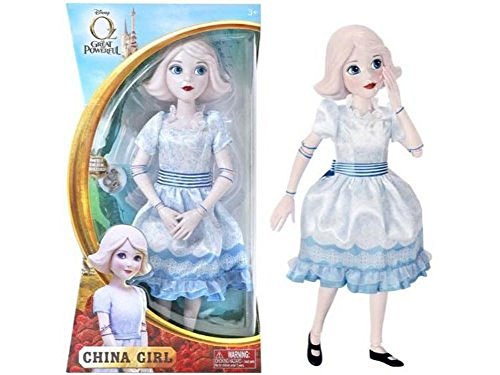
Fashion dolls center on styling, accessories, and imaginative storytelling. They encourage narrative play, fashion design interest, and fine motor skills through dressing and posing.
Baby Dolls with Interactive Features
These baby dolls drink, cry, coo, or sleep, adding a layer of responsiveness to caretaking play. They are engaging for kids who want a doll that "reacts" to them.
Reborn Dolls
Reborn dolls are carefully crafted to look and feel like real infants. They feature hand-painted details, rooted hair, and weighted bodies. These are collector and comfort items rather than everyday playthings.
Collectible & Art Dolls
Art dolls and limited-edition collectibles are made for display. They often use premium materials, intricate costumes, and sculpted details that make them unsuitable for rough play.
Dolls That Look Real
These dolls prioritize lifelike appearance and feel, often with realistic skin textures, glass-like eyes, and articulated bodies. They sit at the top of the realism spectrum.
Custom & Personalized Dolls
Custom dolls are made to resemble a specific person, pet, or character. They offer a deeply personal connection and are popular as keepsake gifts.
Matching Doll Type to Play Style
Children gravitate toward different kinds of play, and the right doll type supports that instinct rather than fighting it. Consider these pairings:
- The nurturer: Baby dolls and interactive baby dolls give a child the chance to feed, soothe, and care for a "baby" — building empathy and routine awareness.
- The storyteller: Fashion dolls and character dolls fuel narrative play, from designing outfits to acting out scenes and friendships.
- The cuddler: Plush and soft dolls provide comfort and security, especially for younger children or those who need a soothing companion.
- The collector: Reborn dolls, art dolls, and realistic dolls appeal to older children and teens who value detail, display, and craftsmanship.
- The personalizer: Custom dolls and look-alike dolls create a one-of-a-kind bond, often as a meaningful gift for a milestone occasion.
Materials, Safety & Durability Compared
Doll construction varies significantly by type, and safety requirements change with age. This quick comparison helps you know what to inspect:
| Doll Type | Typical Materials | Durability Notes | Key Safety Check |
|---|---|---|---|
| Baby Dolls | Vinyl body, plastic limbs, soft fabric clothing | Good for daily play; washable clothing extends lifespan | No small removable eyes or buttons for under-3s |
| Plush & Soft Dolls | Polyester fabric, cotton blends, embroidered features | Machine-washable; seams should be reinforced | Check for loose stitching and securely attached limbs |
| Fashion Dolls | Plastic body, synthetic hair, fabric outfits | Joints and hair require gentle handling | Small shoes and accessories are choking hazards under 3 |
| Interactive Baby Dolls | Plastic shell, electronic components, fabric clothing | Battery compartments must stay sealed; electronics limit washing | Confirm battery cover is screwed shut |
| Reborn Dolls | Vinyl or silicone head/limbs, cloth body, rooted hair | Delicate; avoid water and rough handling | Not intended for unsupervised young children |
| Collectible & Art Dolls | Resin, porcelain, premium fabrics, metal accents | Display-only; fragile under rough play | Keep out of reach of young children |
Age Suitability Comparison
Age labels on doll packaging are safety guidelines, not just suggestions. Here is how the major doll types map to age groups:
- 0–2 years: Plush and soft dolls with embroidered features. Avoid anything with small parts.
- 2–4 years: Simple baby dolls with soft bodies and no small accessories. Great for early nurturing play.
- 3–5 years: Baby dolls with basic features and larger accessories. Introduce simple interactive dolls with sealed battery compartments.
- 5–8 years: Fashion dolls, styling accessories, and more detailed baby dolls with sound features.
- 8–12 years: Fashion dolls with collectible lines, dolls that look real, and more complex interactive dolls.
- 12+ years: Reborn dolls, art dolls, and collector-grade dolls with careful handling instructions.
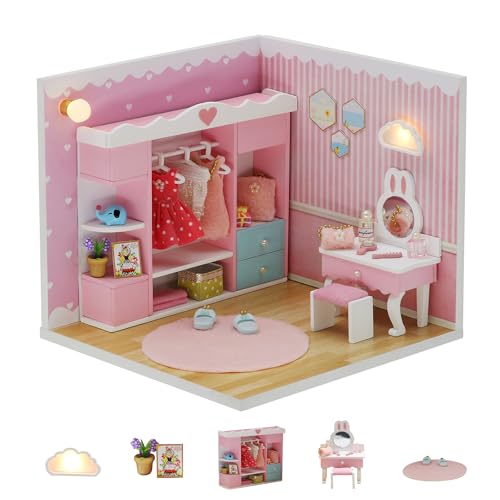
For more detailed guidance by age, explore dolls for 4 and 5 year olds and the broader collection of dollhouse options that pair well with doll play.
Frequently Asked Questions
What is the best doll type for a toddler?
Baby dolls and plush dolls are usually the best fit for toddlers. They are soft, easy to hold, and support nurturing pretend play. Look for dolls without small removable parts and with securely attached facial features.
Are reborn dolls suitable for young children?
Reborn dolls are generally designed for older collectors and teens rather than young children. Their detailed painting, weighted bodies, and delicate rooted hair require careful handling, so they are better suited to supervised older users.
How do fashion dolls differ from baby dolls?
Fashion dolls focus on styling, accessories, and imaginative role-play with outfits, while baby dolls emphasize nurturing and caretaking play. Fashion dolls typically target school-age kids, whereas baby dolls suit toddlers and preschoolers.
What should I check before buying a doll?
Check the age recommendation on the packaging, the security of small parts, the materials used, and whether the doll matches your child's preferred play style. Also confirm that hair and accessories are firmly attached and appropriate for the child's age.
Can dolls that look real be played with daily?
Dolls that look real vary in durability. Some are built for gentle daily play, while others are display pieces. Read the manufacturer's guidance and inspect joint construction before deciding how much handling is appropriate.
Ready to Choose a Doll?
Now that you have compared every major doll type, explore our hand-picked selection below. Each recommendation is matched to a distinct play style and age group, so you can find the right fit at a glance.
View Recommended Dolls