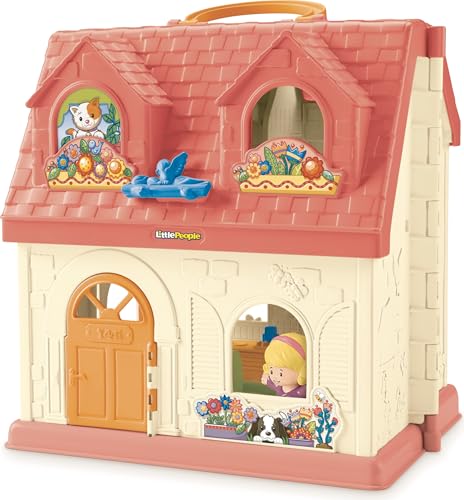
Dollhouse Buying Guide: Finding the Perfect Miniature Home
Discover how to choose a dollhouse that sparks imagination, suits your child's age, and stands up to years of play. Expert insights on materials, styles, and developmental benefits.
Explore the Guide🏠 Why a Dollhouse? A dollhouse is more than just a toy—it's a gateway to imaginative play, storytelling, and social development. Children who engage in dollhouse play build language skills, practice empathy, and explore family dynamics in a safe, creative environment. Whether you're shopping for a toddler's first miniature home or a collector's detailed model, this guide will help you make a confident, informed decision.
Key Factors to Consider Before Choosing a Dollhouse
Shopping for a dollhouse involves more than picking the prettiest design. The right choice balances your child's age, available space, material durability, and the type of play you want to encourage. Below, we break down the essential factors that matter most.
Age Appropriateness and Safety
Age recommendations on dollhouse packaging exist for good reason. For toddlers and preschoolers, look for sturdy, large-piece designs with rounded edges and non-toxic finishes. Small accessories—tiny chairs, miniature food, and delicate figurines—pose choking hazards for children under three. If you have a younger child, consider a dollhouse with built-in features or larger furnishings that are less likely to break or become a hazard. For older children, more detailed sets with small parts become appropriate and rewarding. Related reading: dolls for 4 and 5 year olds can help you match doll size to your child's stage.
Material and Build Quality
Dollhouses are typically made from wood, MDF, or plastic. Wooden dollhouses offer a classic aesthetic, a satisfying weight, and excellent durability—they can often be passed down through siblings. Plastic models tend to be more lightweight and sometimes more detailed out of the box, but quality varies widely. Check for reinforced joints, smooth sanded edges, and water-based, child-safe paints. A dollhouse that wobbles or has sharp corners is a poor investment regardless of its tier. If you're also considering a dollhouse for larger dolls, see our guide on doll houses for big dolls for scale-specific advice.
Size, Scale, and Living Space
Dollhouses range from compact tabletop models to floor-standing mansions. Before you commit, measure the intended play area and consider whether the dollhouse will be a permanent fixture or something that needs to be stored between play sessions. Scale matters too: 1:12 is the classic dollhouse scale, but many modern sets use 1:18 or other ratios. If you already own dolls, confirm that the dollhouse's doorways and ceiling heights accommodate them. A mismatched scale leads to frustration.
Style and Play Features
From traditional Victorian manors to modern minimalist apartments and fantasy treehouses, dollhouse styles are vast. Consider what captures your child's imagination. Features like opening doors, working lights, sliding panels, and furnished rooms add play value, but they also add complexity and potential breakage points. A good rule of thumb: the younger the child, the simpler and more robust the design should be. Older children often appreciate customization—wallpaper, furniture rearrangement, and DIY decorations extend the toy's life. For collectors and older children, battery-operated miniature lights can add a magical touch.
Dollhouse Tiers at a Glance
To simplify your decision, we've grouped dollhouses into four broad market tiers. Each tier reflects a different balance of materials, detailing, and play features—not a specific monetary figure. Use this table to identify which category aligns with your priorities.
| Tier | Typical Materials | Best For | Key Features |
|---|---|---|---|
| Entry-Level | Lightweight plastic, printed MDF | Toddlers, first dollhouse, travel | Simple assembly, large pieces, bright colors, fewer small accessories |
| Mid-Range | Solid wood or reinforced plastic | Preschoolers to early school age | Detailed rooms, movable furniture, opening doors, moderate accessory count |
| Premium | Hardwood, high-grade MDF, non-toxic finishes | School-age children, long-term play | Intricate detailing, realistic proportions, furnished rooms, durable hinges |
| Luxury / Collector | Solid hardwood, artisan-crafted components | Collectors, teens, heirloom gifting | Museum-quality detail, working lights, hand-painted finishes, 1:12 scale |
Dollhouse Checklist: What to Inspect Before Buying
When evaluating a specific dollhouse—whether online or in-store—run through this checklist to avoid surprises after purchase.
- Stability: Does the base sit flat? Will it tip if a child leans on it? A wide footprint is a good sign.
- Edges and finishes: Run your hand along all accessible surfaces. Any roughness, splinters, or sharp corners are red flags.
- Door and drawer mechanisms: Open and close them several times. Do they catch? Are hinges reinforced?
- Paint and coatings: Look for water-based, non-toxic certifications. Avoid strong chemical odors.
- Assembly requirements: Some dollhouses arrive flat-packed with dozens of screws. If you're not handy, factor assembly time and difficulty into your decision.
- Accessory storage: Loose furniture and dolls get lost easily. Does the dollhouse include built-in storage or a carry case?
- Scale compatibility: If you already own dolls or plan to buy them separately, verify that they fit through doorways and sit comfortably in chairs.
- Warranty and replacement parts: Reputable brands offer spare parts for common breakables like windows and stair railings.
Developmental Benefits of Dollhouse Play
The best toy purchases are those that grow with your child. Dollhouses are remarkably versatile developmental tools. Here's what children gain from regular dollhouse play:
Language and Storytelling
Dollhouse play naturally invites narration: "The baby is sleeping," "Let's cook dinner in the kitchen," "The family is going to the park." This kind of play builds vocabulary, sentence structure, and narrative sequencing. Children practice dialogue and learn to express emotions through their doll characters. For children on the quieter side, the dollhouse provides a low-pressure stage for verbal expression.
Empathy and Social Understanding
When children assign roles and relationships to doll families, they explore social dynamics—sharing, conflict resolution, caregiving, and routines. Dollhouse play is a safe rehearsal space for real-world social situations. It also helps children process changes in their own lives, such as a new sibling or a move to a new home.
Fine Motor Skills and Spatial Awareness
Placing tiny furniture, opening doors, positioning dolls in chairs, and arranging rooms all require precise hand movements. This strengthens the small muscles in fingers and hands—skills that support writing and drawing. Spatial awareness develops as children negotiate rooms, staircases, and doorways within the dollhouse's miniature architecture.
Related Doll and Dollhouse Guides
Explore our other in-depth guides to complete your dollhouse journey—from selecting the right dolls to finding the ideal accessories and complementary toys.
Frequently Asked Questions About Dollhouses
What age is a dollhouse appropriate for?
Most dollhouses are recommended for children aged 3 and up, though this varies by design. Toddler-friendly models with large pieces and rounded edges may suit 2-year-olds under close supervision. Detailed sets with small accessories are best for ages 5 and older. Always check the manufacturer's age recommendation and consider your child's individual maturity and play style.
Wooden or plastic: which is better?
Both have merits. Wooden dollhouses are generally more durable, repairable, and aesthetically timeless. They hold their resale value well and can be passed between siblings. Plastic dollhouses often come with more pre-molded detail and are lighter, making them easier to move. High-grade plastic can be very sturdy, but lower-tier plastic may crack under rough play. Consider your child's play intensity and whether the dollhouse will be a long-term fixture.
How much space does a dollhouse need?
Allow clearance of at least 12–18 inches on all open sides for children to reach in and play comfortably. Floor-standing dollhouses can occupy a significant footprint, so measure your intended area before purchasing. If space is tight, consider a wall-mounted, foldable, or tabletop model. Vertical designs with multiple levels offer substantial play value in a smaller footprint.
Can I add furniture and accessories from other brands?
Yes, but check scale compatibility. The most common scales are 1:12 (classic) and 1:18 (smaller). Mixing scales leads to doors that don't fit, chairs that are too tall, and dolls that can't sit properly. If you plan to expand your collection, stick to a single scale. Many premium and luxury-tier dollhouses use 1:12, making them compatible with a wide range of accessories.
How do I clean and maintain a dollhouse?
Dust regularly with a soft microfiber cloth or a vacuum brush attachment on low suction. For wooden dollhouses, avoid excessive moisture—wipe spills immediately and use a slightly damp cloth for deeper cleaning. Plastic models can generally be wiped with mild soapy water. Keep the dollhouse out of direct sunlight to prevent fading. Periodically check screws and hinges for tightness and apply a child-safe wood conditioner to wooden models every few months if recommended by the manufacturer.
What are the benefits of a dollhouse with lights?
Battery-operated lights add realism and atmosphere, encouraging longer, more immersive play sessions. Lights also help children create evening scenes and storylines. However, they add complexity—check that battery compartments are secured with screws and that wiring is safely routed away from small hands. Lights are typically found in premium and luxury-tier models but can be added to mid-range dollhouses as an aftermarket accessory.
Making Your Final Decision
After reviewing the factors above, narrow your options by asking three questions:
- Who is the primary player? Match the dollhouse's complexity, size, and material to your child's age and play style. A toddler needs robust simplicity; a 7-year-old craves detail and customization.
- Where will it live? Confirm that the dollhouse fits your intended space, can be moved if needed, and won't become an obstacle in a high-traffic area.
- What's the long-term plan? Will this dollhouse be passed down, resold, or donated? Higher-tier wooden models hold value and withstand years of use, making them a worthwhile long-term investment.
Once you've answered these, you're ready to choose with confidence. The recommended products below represent a curated selection across styles and tiers—each chosen for its build quality and play value.