Doll House Doll House: The Complete Guide to Choosing the Perfect Dollhouse
A doll house doll house is more than just a toy — it's a world of imagination, storytelling, and developmental play. Whether you're searching for a first dollhouse or upgrading to a grand miniature home, this guide helps you understand styles, materials, features, and how to match the right dollhouse to your child's age and interests.
Explore Dollhouse OptionsWhy a doll house doll house matters: Dollhouses encourage narrative thinking, spatial awareness, fine motor skills, and social-emotional learning. Children who engage in dollhouse play practice perspective-taking, language skills, and creative problem-solving — all while having fun. This guide covers everything from wooden classics to modern miniature light-up homes, so you can choose with confidence.
Understanding the Different Types of Doll House Doll House
The term "doll house doll house" covers a wide spectrum of miniature homes. Before choosing, it helps to understand the main categories available today. Each type serves different play styles, age groups, and space considerations.
- Wooden dollhouses: Traditional, durable, and often heirloom-quality. These feature solid construction, detailed craftsmanship, and a timeless aesthetic. Many wooden models come with working doors, staircases, and removable roofs for easy access during play.
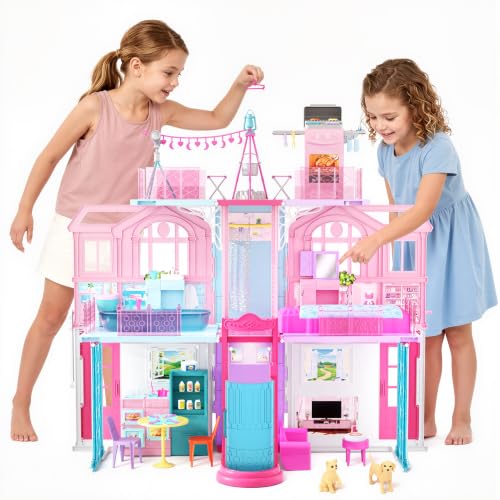
- Plastic dollhouses: Lightweight, colorful, and often packed with interactive features like sounds, lights, and moving parts. These are excellent for younger children and families who want easy-to-clean, portable options.
- Dollhouse for big dolls: If your child prefers larger dolls, a doll house for big dolls provides the scale and space needed for meaningful play. These models feature taller ceilings, wider doorways, and sturdier furniture to accommodate bigger figures.
- Miniature collector dollhouses: Designed for older children and adults, these detailed models focus on realism and craftsmanship. They often include dollhouse miniature lights battery operated for a magical glow and intricate furniture pieces.
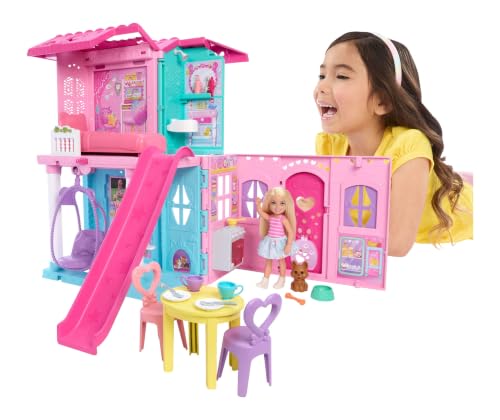
- Portable and foldable dollhouses: Ideal for small spaces or travel. These compact designs unfold into full play scenes and pack away neatly when playtime is over.
When exploring the broader world of dollhouse options, consider how much space you have, the child's age, and whether the dollhouse will be a shared family toy or a personal collection piece. For a deeper comparison of styles, see our dollhouses guide.
Doll House Doll House Quality Tiers: Entry-Level to Luxury
To help you navigate the market without getting lost in specifications, we classify dollhouses into three broad quality tiers. These descriptors reflect relative market positioning, build quality, and feature depth — not absolute figures.
Starter Tier
Entry-level dollhouses are ideal for first-time dollhouse owners. They typically feature simpler construction, fewer accessories, and lightweight materials. These models are well-suited for toddlers and preschoolers who are just beginning to explore imaginative play. Look for rounded edges and sturdy joints even in this tier.
Balanced Tier
Mid-range dollhouses offer a strong balance of durability, detail, and interactive features. You'll find solid wood or reinforced plastic construction, more rooms, and often include furniture sets or dollhouse miniature lights battery operated. This tier suits families who want a long-lasting toy that grows with the child.
Top-Tier
Premium dollhouses are heirloom-quality pieces with exceptional craftsmanship. They feature detailed architecture, premium materials, and extensive accessory sets. Many include working lights, realistic textures, and expandable designs. These are long-term investments for families who value both play and display.
Pro Tip: Match the Tier to the Play Stage
An entry-level or mid-range dollhouse is usually the best starting point for young children. As their play becomes more sophisticated and their interest deepens, upgrading to a premium model can become a rewarding family project. For families with older children who enjoy detailed miniature worlds, a top-tier dollhouse with battery-operated lights and fine furniture offers years of engagement.
Key Features to Evaluate in a Doll House Doll House
Not all dollhouses are created equal. When comparing options, pay attention to these features to ensure you choose a model that fits your family's needs.
- Scale and size: Dollhouse scale determines which dolls and furniture fit. Common scales include 1:12 (standard), 1:18, and 1:24. If you already own dolls, check the dollhouse scale to ensure compatibility. A doll house for big dolls uses a larger scale to accommodate bigger figures.
- Material and construction: Wooden dollhouses offer durability and a classic look. Plastic models are lighter and often feature interactive elements. Look for reinforced joints, non-toxic finishes, and smooth edges for safety.
- Accessibility: Open-front designs, removable roofs, and hinged walls make it easier for children to arrange furniture and play inside. This is especially important for younger children.
- Lighting and electronics: Some models include dollhouse miniature lights battery operated, adding a magical glow and extending play into evening storytelling sessions. Check that battery compartments are secure and child-safe.
- Furniture and accessories: Some dollhouses come fully furnished, while others are sold as shells. Consider whether you want a complete set or prefer to build your collection over time.
- Storage and portability: If space is limited, a foldable or compact dollhouse is a practical choice. These designs often double as storage cases.
Choosing a Doll House Doll House by Age Group
Age-appropriate selection is critical for both safety and engagement. Here's how to match dollhouse features to developmental stages.
| Age Group | Recommended Features | Best For |
|---|---|---|
| 2–3 years | Large pieces, rounded edges, simple open-front design, few small accessories | First dollhouse experiences, cause-and-effect play |
| 4–5 years | More rooms, basic furniture, sturdy construction, colorful designs | Pretend play, storytelling, early role-playing |
| 6–8 years | Detailed furniture, working doors, themed rooms, dollhouse miniature lights battery operated | Complex narratives, collection building, creative decorating |
| 9+ years | Realistic scale, premium materials, expandable designs, intricate accessories | Hobby-level collecting, display, advanced imaginative play |
For younger siblings who prefer dolls over dollhouses, consider dolls for 4 and 5 year olds as complementary gifts. Families exploring pretend play across different toy types may also enjoy our doll type comparison for broader context.
Safety Considerations for Doll House Play
Important Safety Reminder
Always check the manufacturer's age recommendation on the packaging. Dollhouses with small furniture pieces or tiny decorative accessories may pose choking hazards for children under three. Ensure that all paints and finishes are non-toxic and that battery compartments — especially in models with dollhouse miniature lights battery operated — are securely fastened with screws. Supervise young children during play, particularly when assembling or rearranging small parts.
Smart Buying Tips for Your Doll House Doll House
Before you commit to a dollhouse, keep these practical tips in mind:
- Measure your space: Dollhouses can be surprisingly large. Measure the intended play area and account for clearance around the house for children to move around.
- Think long-term: A mid-range or premium dollhouse may be a worthwhile investment if you plan to keep it for siblings or future generations.
- Check expandability: Some dollhouse brands offer expansion kits, additional rooms, and furniture collections. Choosing a system with growth potential extends the toy's lifespan.
- Consider assembly: Some models require significant assembly time. Read reviews to understand setup complexity and whether tools are included.
- Factor in accessories: Budget for furniture and dollhouse accessories if they aren't included. Many families enjoy building the collection gradually as gifts for birthdays and holidays.
If you're also shopping for younger children in the family, our guides to cool toys for 2 year olds and cool toys for 3 year olds can help you round out a playroom that supports both dollhouse play and other developmental activities.
Frequently Asked Questions About Doll House Doll House
The terms are essentially interchangeable. "Doll house doll house" is a search phrase that reflects how people look for miniature homes for dolls. Whether you call it a dollhouse, doll house, or miniature home, the core concept is the same: a scaled-down house designed for doll play, storytelling, and imaginative activities.
Most dollhouses are designed for children aged 3 and up. For toddlers under three, choose models with large, simple pieces and no small accessories. Always follow the age recommendation on the packaging and supervise play. Older children (6+) can enjoy more detailed models with smaller furniture and battery-operated lights.
The most common scale is 1:12, where one inch represents one foot. This scale fits standard fashion dolls and most dollhouse furniture sets. If you have larger dolls, look for a doll house for big dolls with a larger scale. For collectors or space-conscious families, 1:24 and 1:48 scales offer detailed miniatures in compact footprints.
Yes, when properly designed for children. Dollhouse miniature lights battery operated are generally safe as long as the battery compartment is secured with a screw and the wiring is insulated. Check for age-appropriate labeling and avoid models with loose wiring or exposed contacts. LED lights are preferable because they generate very little heat.
It depends on your priorities. Wooden dollhouses are more durable, have a classic aesthetic, and often become family heirlooms. Plastic dollhouses are lighter, easier to clean, and frequently include interactive features like sounds and lights. For young children, plastic may be more practical; for long-term play and display, wood is often preferred.
In most cases, yes — as long as the scale matches. Check the dollhouse scale before purchasing additional furniture. Many brands offer their own accessory lines, and third-party miniature furniture is widely available in common scales. Building a collection over time is part of the fun for many families.
Dust regularly with a soft cloth or brush. For wooden dollhouses, avoid excess moisture and use a mild, non-toxic cleaner when needed. Plastic models can be wiped down with a damp cloth. Remove batteries from electronic components if the dollhouse will be stored for an extended period. Store small furniture pieces in a labeled container to prevent loss.
Explore Related Toy Guides
Find the Perfect Doll House Doll House Today
A doll house doll house opens the door to hours of imaginative play, storytelling, and developmental growth. By understanding the different types, quality tiers, and features available, you can choose a dollhouse that fits your child's age, interests, and your family's space. Whether you're looking for a sturdy starter model or a premium heirloom piece with battery-operated lights, the right dollhouse is waiting to become the centerpiece of your child's play world.
View Recommended Dollhouses