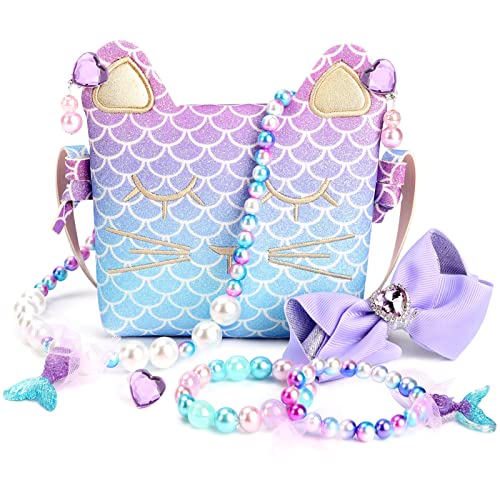
Dolls for 4 and 5 Year Olds: The Complete Parent's Guide
Everything you need to know about choosing the right doll for your preschooler — from developmental benefits and safety considerations to the best doll types for imaginative play.
Explore Top Picks🧸 Why Dolls Matter at Ages 4 and 5: At four and five years old, children are entering a critical phase of social-emotional development. Dolls are more than just toys — they are tools for practicing empathy, language, and nurturing behavior. This guide breaks down everything parents need to make a confident, informed choice.
Why Dolls Are Developmentally Important for 4 and 5 Year Olds
Between ages four and five, children transition from parallel play to more complex cooperative play. Dolls become central to this shift because they allow children to act out real-world scenarios — feeding, comforting, teaching, and even resolving conflicts. Child development specialists consistently highlight pretend play with dolls as a key contributor to language acquisition, emotional regulation, and theory of mind (the ability to understand that others have different thoughts and feelings).
If you are looking at the broader picture of age-appropriate play, our guide to developmentally appropriate toys for 5 year olds complements this deep dive into dolls perfectly. For families who want to expand beyond dolls, educational toys for 4-5 year olds offers a well-rounded view of what supports learning at this stage.
Dolls also serve as a bridge to literacy and storytelling. When a child narrates a doll's day, invents dialogue, or creates a scenario, they are building narrative skills that directly support reading comprehension later on. This is why educators often keep dolls in preschool and kindergarten classrooms as part of a balanced play diet.
Types of Dolls for 4 and 5 Year Olds
Not all dolls are created equal. For this age group, the best choice depends on the child's interests, motor skills, and play style. Here are the main categories to consider, each described with a universal tier descriptor to help you gauge relative positioning in the market.
Baby Dolls & Care-Taking Dolls
These are the classic "feed, bathe, and put to bed" dolls. At four and five, children love mimicking caregiving routines. Look for dolls with removable clothing and accessories that encourage fine motor practice. Vinyl or soft-bodied baby dolls in the 10–14 inch range are usually the sweet spot for this age.
Fashion Dolls & Character Dolls
Fashion dolls with brushable hair and changeable outfits appeal to children who enjoy dress-up and storytelling. For five year olds, these can be a great fit, though small accessories require supervision. If your child is drawn to detailed play sets, explore our broader roundup of dolls and accessories for more options.
Soft-Bodied & Plush Dolls
These combine the comfort of a stuffed animal with the play value of a doll. They are excellent for children who need a transitional comfort object or who prefer gentler play. Soft dolls are also a smart choice for households with younger siblings.
Collectible & Detailed Dolls
Detailed dolls with articulated joints, realistic features, and high-quality outfits sit at the top of the market. While four year olds may not fully appreciate the craftsmanship, five year olds who are gentle players can enjoy them. These are often long-term play pieces that grow with the child.
Safety Checklist for Dolls at Ages 4 and 5
Safety should always come first. While four and five year olds are past the mouthing stage of infancy, they still explore toys with their hands and sometimes their mouths. Use this checklist before buying any doll:
- Check the age rating: Most dolls for this age group are labeled 3+ or 4+. Avoid dolls with small parts if your child still mouths toys.
- Inspect for loose parts: Buttons, hair clips, and tiny shoes can be choking hazards. Prefer dolls with securely attached features.
- Look for non-toxic materials: Vinyl, phthalate-free plastic, and OEKO-TEX certified fabrics are good indicators. Our non-toxic toy guide explains what to look for on labels.
- Avoid sharp edges and wire armatures: Some dolls have internal wire frames that can poke through worn fabric. Soft-bodied dolls are generally safer for younger four year olds.
- Consider washability: Dolls get dragged everywhere. Machine-washable plush dolls and wipe-clean vinyl dolls are practical for this age group.
- Supervise hair accessories: Tiny hair ties and beads are common choking hazards. Remove them or store them separately if your child is still in the exploratory phase.
Doll Types Compared: Which Fits Your Child?
The table below summarizes the main doll categories by their best use case and relative market positioning. Use it as a quick reference when narrowing down your options.
| Doll Type | Tier | Best For | Key Consideration |
|---|---|---|---|
| Baby Dolls | Essential Tier | Nurturing play, bedtime routines, first dolls | Choose soft bodies for four year olds |
| Fashion Dolls | Mid-Tier | Dress-up play, storytelling, five year olds | Small accessories need supervision |
| Plush & Soft Dolls | Balanced Tier | Comfort, gentle play, travel, younger siblings | Check for washability |
| Character Dolls | Mid-Tier | Fans of specific shows or movies | Ensure accessories are age-appropriate |
| Detailed/Articulated Dolls | High-End Tier | Gentle players, long-term collections | Higher investment; better for five year olds |
How to Choose the Right Doll for Your 4 or 5 Year Old
Beyond the type of doll, there are practical and emotional factors to weigh. Here is a structured approach to making the decision:
1. Observe your child's play style. Does your child gravitate toward caregiving (feeding, rocking, tucking in) or toward fashion and role-play? A baby doll suits the nurturer; a fashion doll suits the storyteller.
2. Consider the sibling dynamic. If there is a younger sibling in the house, soft-bodied dolls without small parts are the safer option. If your child is the youngest, they may be ready for more detailed dolls with accessories.
3. Think about longevity. A well-made, mid-tier doll that can be dressed and re-dressed will often outlast a novelty character doll. If you want a doll that stays in rotation for years, look at the quality of the joints, fabric, and hair rooting.
4. Match the doll to existing interests. A child who loves animals may prefer a doll with a pet companion. A child who loves fantasy may prefer a fairy or mermaid doll. Our guide to creepy dolls is a fun read if your child enjoys slightly spooky or unconventional characters.
5. Factor in storage and portability. Larger dolls with elaborate playsets can be wonderful at home but difficult to transport. If your child likes to bring a doll to preschool or on trips, a mid-sized soft doll is more practical.
For families comparing dolls with other pretend-play options, our doll type comparison offers a side-by-side look at how different dolls function in play. And if your child is also interested in dollhouses, the doll house guide and dollhouses overview are natural next reads.
Ready to Find the Perfect Doll?
Browse our curated selection of dolls for 4 and 5 year olds, hand-picked for safety, durability, and play value.
See Recommended DollsRelated Doll & Play Guides
If you are building out a playroom for a four or five year old, these guides will help you round out the collection:
For children who love realistic dolls, dolls that look real and feel real explores the higher-end tier of lifelike dolls. If your child is drawn to unusual or artistic dolls, the creepy dolls guide covers that niche. And for families interested in custom or personalized dolls, custom stuffed dolls and creating a stuffed animal from a drawing are wonderful creative projects.
Beyond dolls, consider how dolls fit into a broader play and learning ecosystem. Our educational games for 4-5 year olds and educational toys for 5-6 year olds guides help balance screen-free, hands-on play. If you are also shopping for a dollhouse or accessories, the doll house doll house and doll house for big dolls pages are useful references.