Fine Motor Toys: Build Skills Through Play
From pincer grasps to hand-eye coordination, the right fine motor toys help toddlers and kids develop essential dexterity, concentration, and independence. Explore our expert guide to choosing the best toys for every stage.
Browse by Age →Why fine motor skills matter: These small movements — using fingers, hands, and wrists — are the foundation for writing, buttoning, zipping, and even using technology. The best fine motor toys turn practice into play, making skill-building fun and natural. Whether you're a parent, teacher, or therapist, this guide helps you choose toys that truly make a difference.
What Are Fine Motor Toys?
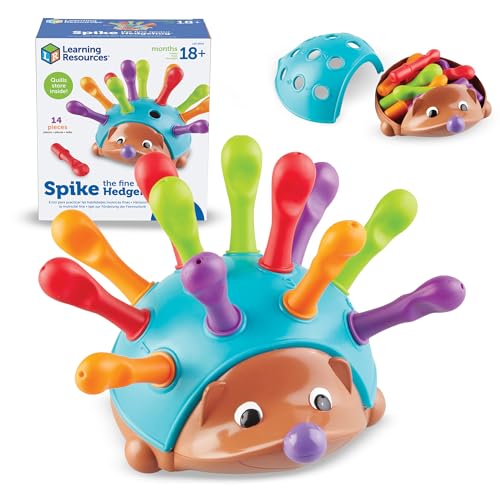
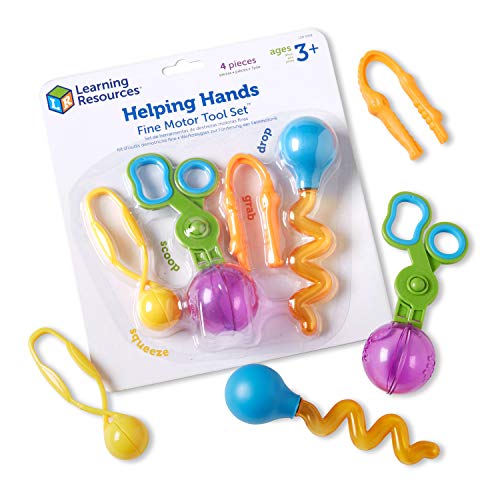
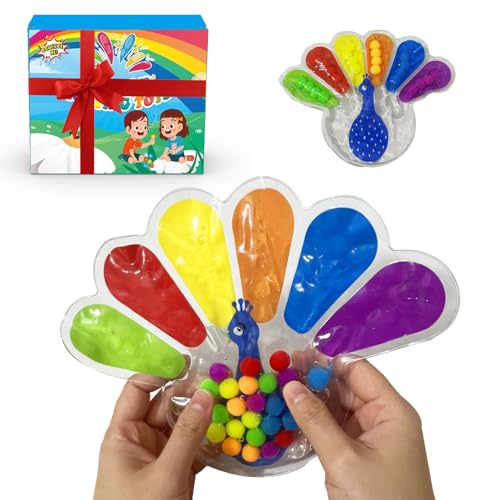
Fine motor toys are specifically designed to strengthen the small muscles in children's hands and fingers. They encourage grasping, pinching, twisting, and manipulating objects. These toys are not just educational — they're also incredibly engaging. From building blocks to Montessori materials, the right toy can transform a child's development.
🖐️ For Toddlers (1–3 years)
- Stacking toys – nesting cups, rings, and blocks
- Sensory toys – texture balls and squeezables
- Peg puzzles and chunky knob puzzles
- Shape sorters and pounding benches
🧩 For Preschoolers (3–5 years)
- Puzzles – interlocking and jigsaw
- Play dough & clay – rolling, cutting, shaping
- Craft kits – bead stringing, lacing cards
- Scissor skills activity sets
Fine Motor Toys by Age: A Developmental Roadmap
Every child develops at their own pace, but these general guidelines help you choose toys that match their current abilities and challenge them just enough. For a complete overview, visit our toys by age page.
0–12 Months: Grasping & Reaching
Babies start with reflexive grasps. Offer baby toys like rattles, soft fabric books, and teethers. These encourage palmar grasp and hand-mouth coordination.
1–3 Years: Pincer Grasp & Hand Control
Toddlers refine their pincer grasp (thumb and forefinger). Toddler toys like large beads, stackers, and simple puzzles are ideal. Also consider bath toys that squirt or pour.
3–5 Years: Precision & Coordination
Preschoolers can handle smaller pieces. Preschool toys like interlocking blocks, lacing beads, and beginner scissors build fine motor precision.
6+ Years: Advanced Dexterity
School-age kids enjoy toys for 6–8 years such as model kits, intricate building sets, and craft projects that require patience and control.
How to Choose the Best Fine Motor Toy
✅ Safety First
Check for choking hazards, non-toxic materials, and age recommendations. Refer to our toy safety guide.
✅ Developmental Match
Choose toys that challenge but don't frustrate. If a child can't use it, it won't build skills.
✅ Open-Ended Play
Toys like building blocks and play dough offer endless possibilities, promoting creativity alongside motor skills.
✅ Durability
Fine motor toys get heavy use. Opt for well-made wooden toys or high-quality plastic.
🧠 Expert Tip: Make It a Routine
Incorporate fine motor play into daily routines. Use Montessori toys that mimic real-life activities (like pouring, scooping, or buttoning). Short, frequent sessions are more effective than long, infrequent ones. And always celebrate small successes — confidence grows with every pinch and grasp!
Looking for more structured play ideas? Explore our play ideas section for creative activities.
For children who need extra support, occupational therapists often recommend sensory toys and problem-solving toys to complement fine motor development. Also, check our gift guides for curated selections.
Ready to find the perfect fine motor toy? Browse our recommended products below — each one is chosen to support development at every stage. When you purchase through our affiliate links, you help us keep creating free, expert content for families like yours. Thank you!