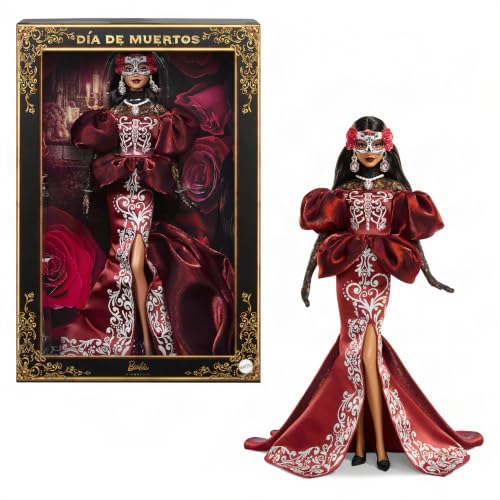
Collectible Dolls: The Complete Guide for Discerning Collectors
Whether you are drawn to hand-painted reborns, vintage porcelain beauties, or limited-edition fashion dolls, this guide unpacks everything you need to know before adding to your collection.
Explore the Buying GuideWhy collectible dolls deserve your attention: Doll collecting is one of the oldest and most rewarding hobbies in the world. A carefully curated collection can hold artistic, cultural, and emotional significance for generations. This guide helps you understand the landscape so you can make confident, informed decisions.
What Makes a Doll Collectible?
Not every doll on a shelf is a collector's item. The difference usually comes down to a handful of factors that, together, create lasting interest and desirability. Understanding these factors is the first step in building a collection that brings you pride and satisfaction.
Key Collectibility Factors
- Limited production: Dolls produced in small, numbered runs are inherently scarcer than mass-market lines.
- Craftsmanship: Hand-painted faces, real hair, articulated joints, and premium fabrics all signal a higher tier of artistry.
- Brand reputation: Established doll houses with a dedicated following tend to hold collector interest over time.
- Condition and completeness: Original packaging, certificates of authenticity, and untouched paintwork all add to a doll's desirability.
- Historical or cultural significance: Some dolls become collectible because they mark a moment in design or social history.
If you are just beginning to explore the wider hobby, our overview of collectible toys offers useful context on how doll collecting fits within the broader world of rare and premium playthings.
Types of Collectible Dolls
The collector market spans several distinct categories. Each has its own conventions, community, and criteria for desirability.
Porcelain & Bisque Dolls
Traditional porcelain and bisque dolls are prized for their delicate features and historical roots. Many are hand-painted and dressed in period-accurate costumes.
Reborn Dolls
Hand-painted reborns are crafted to look remarkably lifelike. Recognized artists produce limited runs, and these dolls have a passionate collector base. Explore our dedicated collectible reborn dolls guide for deeper insight.
Fashion Dolls
Fashion dolls from major design houses often release in limited editions with detailed outfits. Their appeal crosses over into fashion and pop-culture collecting.
Artist Dolls
One-of-a-kind or small-batch dolls made by independent artists. These are often signed and numbered, making them particularly personal additions to a collection.
Vintage & Antique Dolls
Older dolls with historical provenance. Condition and originality of parts are especially important when evaluating antiques.
Asian Ball-Jointed Dolls
Articulated resin dolls with customizable faces and outfits. Their modular nature and strong community culture drive long-term collector interest.
Materials, Craftsmanship, and Quality Tiers
The materials and construction of a doll tell you a great deal about its intended tier in the market. Rather than thinking in terms of any single number, it helps to understand relative positioning across the category.
Understanding Quality Tiers
| Tier | Typical Characteristics | Best For |
|---|---|---|
| Entry-level / Starter tier | Vinyl or basic resin, machine-painted features, simpler outfits | New collectors exploring the hobby |
| Mid-range / Balanced tier | Improved articulation, hand-finished details, quality fabrics | Collectors building a focused collection |
| Premium / High-end tier | Hand-painted faces, real hair, signed editions, premium packaging | Serious collectors seeking standout pieces |
| Luxury / Top-tier | Artist-made, one-of-a-kind, museum-grade materials | Dedicated collectors and display-focused buyers |
Entry-level dolls are an excellent way to learn what you love. As you gain experience, you will naturally begin to notice the finer details that distinguish mid-range from premium pieces. The jump from mid-range to high-end tier usually shows up in articulation, paint realism, and the quality of rooted hair.
For collectors who also enjoy expanding into other categories, our guide to collectible plush is a natural companion read.
The Collector's Buying Guide
Before you commit to a new addition, a few practical steps will protect both your enjoyment and your investment.
1. Verify Authenticity
Ask for certificates of authenticity, original packaging, and any maker marks. For limited editions, confirm the edition number matches the doll.
2. Inspect Condition Carefully
Check for paint rubs, loose joints, fading, or repairs. For vintage pieces, understand which parts are original and which have been replaced.
3. Research the Artist or Brand
Look into the maker's reputation and their body of work. A strong track record within the collector community is a reassuring signal of consistent quality.
4. Consider Display and Storage Before You Commit
Plan where the doll will live. Sunlight, humidity, and dust are the three biggest threats to long-term condition. A dedicated display cabinet or shelf with UV-filtered glass goes a long way.
5. Think About Long-Term Enjoyment
The best collectible is one you genuinely love looking at every day. Collector interest can shift, so prioritize pieces that resonate with your own taste.
If you enjoy exploring adjacent areas of the hobby, our collectibles hub and general buying guides provide a wider frame of reference.
Caring for Your Collectible Dolls
Proper care preserves both condition and long-term enjoyment. The routines below suit most materials.
- Control the environment: Aim for stable temperature and humidity between 40 and 60 percent. Avoid attics, basements, and rooms with direct sun.
- Handle with clean hands: Oils and lotions can stain fabrics and dull paint. Cotton gloves are a simple safeguard for premium pieces.
- Use acid-free materials: Acid-free tissue paper and boxes prevent yellowing and deterioration over time.
- Dust gently: A soft brush or a low-power air blower is safer than cloths that can snag hair or delicate fabric.
- Keep original packaging: Boxes, certificates, and accessories add to completeness and help protect the doll during moves.
For adjacent care guidance, our article on cleaning plush toys shares some principles that overlap with fabric and hair care on dolls.
Display Ideas That Do Justice to Your Collection
A thoughtful display turns a collection into a personal gallery. Here are a few approaches that work well:
- Vertical shelving with glass doors: Keeps dust out and frames each doll as a focal point.
- Themed vignettes: Group dolls by era, style, or artist to tell a visual story.
- UV-filtered cabinets: Protect colors and fabrics from fading while still allowing viewing.
- Backdrop panels: A simple fabric or painted backdrop makes dolls pop and hides shelf clutter.
- Rotation display: Rotate pieces periodically so each doll gets attention and the collection feels fresh.
If you also maintain a toy collection for younger family members, our building block storage ideas offer space-planning tips that complement a display room.
Common Pitfalls to Avoid
- Buying purely on hype: Trending pieces do not always retain collector interest. Buy what you love.
- Neglecting storage: Even the finest doll deteriorates quickly in poor conditions.
- Skipping documentation: Keep records of certificates, edition numbers, and purchase history.
- Ignoring shipping risk: Always confirm the seller packs with appropriate cushioning and insurance.
- Overcrowding displays: Crowded shelves invite damage from accidental contact.
Collecting is a long game. Patience and careful curation consistently outperform rushed decisions.
Frequently Asked Questions
What makes a doll collectible?
A doll is considered collectible when it has limited production runs, exceptional craftsmanship, historical significance, or belongs to a recognized brand with a dedicated collector community. Condition, original packaging, and provenance strongly influence collectibility.
How should I store collectible dolls?
Store collectible dolls in a climate-controlled space away from direct sunlight. Use acid-free tissue paper, keep them in original boxes when possible, and maintain humidity between 40 and 60 percent. Avoid attics and basements where temperature fluctuates.
Are reborn dolls considered collectible?
Yes, reborn dolls have a dedicated collector market. Hand-painted reborns from recognized artists are highly sought after. Their collectibility depends on the artist's reputation, realism, and limited production.
How do I identify a valuable collectible doll?
Check for maker marks, production numbers, and original certificates. Research the brand's history, consult collector databases, and examine condition carefully. Limited editions and discontinued lines with strong fanbases tend to hold the most collector interest.
Ready to Grow Your Collection?
Explore hand-picked collectible dolls and trusted options from our recommended selection below. Whether you are buying your first piece or adding a centerpiece, these picks are a great place to start.
See Recommended Dolls