Ride On Toys for 3 Year Olds: The Complete Guide to Safe, Fun, and Smart Choices
Your 3-year-old is ready to explore the world on wheels. This guide breaks down the types of ride-on toys, safety must-haves, and how to match a toy to your child's developmental stage — so you can choose with confidence.
Why Ride-On Toys Are Perfect for 3-Year-Olds
By age three, children are developing the gross motor skills, balance, and coordination needed to enjoy ride-on toys. These toys are more than just fun — they support physical development, build confidence, and encourage independent play. A well-chosen ride-on toy can become a daily source of exercise and imaginative adventure.
But with so many options on the market, choosing the right one can feel overwhelming. This guide is designed to simplify your decision. We'll walk you through the main categories, explain what to look for in terms of safety and durability, and help you match a ride-on toy to your child's abilities and interests.
Types of Ride-On Toys for 3-Year-Olds
There are several broad categories of ride-on toys, each with its own advantages. Understanding the differences will help you narrow down the options.
1. Foot-to-Floor Ride-Ons
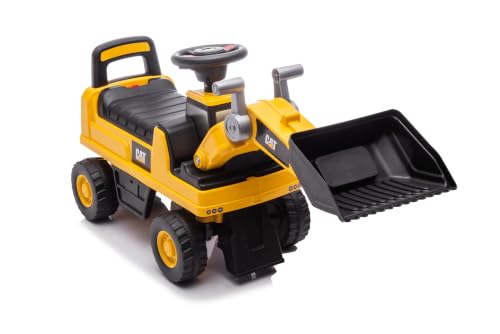
These are the simplest and most common ride-on toys for toddlers. The child sits on the toy and propels it forward using their feet. They are excellent for building leg strength and coordination. Many models include storage compartments under the seat and come in fun themes like animals, cars, and trucks.
2. Balance Bikes
A balance bike has no pedals — the child walks or runs while seated, learning to balance naturally. Many experts recommend balance bikes as a first step before a pedal bike. For 3-year-olds, look for lightweight frames, adjustable seats, and puncture-proof tires.
3. Tricycles
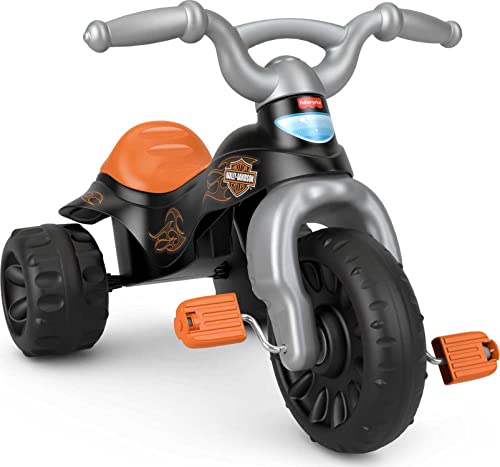
Tricycles offer stability and are easy to pedal. For a 3-year-old, a tricycle with a parent handle is a great choice — it lets you steer and push when your child gets tired. Look for models with a three-point harness and a sun canopy for younger toddlers.
4. Electric Ride-Ons
Battery-powered ride-ons are exciting for children and convenient for parents. For 3-year-olds, choose a model with a top speed of 2–3 mph, a parental remote control, and a seat belt. These are ideal for flat, safe surfaces like driveways or parks. Many parents start with a battery-operated ride-on for 2-year-olds and upgrade as the child grows.
5. Pedal Cars and Go-Karts
These are classic ride-on toys that encourage active play. They are generally better suited to slightly older children (4+), but some models designed for 3-year-olds are available with easy-to-reach pedals and stable bases.
6. Scooters and Ride-Ons with Handlebars
Three-wheeled scooters and ride-on toys with handlebars can be a good option for children who want to stand and glide. Look for models with a wide deck and a rear brake for safety.
Ride-On Toy Comparison by Tier
The table below compares the main ride-on categories using universal quality tiers, so you can see at a glance which type suits your child's stage and your family's needs.
| Tier | Ride-On Type | Best For | Key Features |
|---|---|---|---|
| Essential tier | Foot-to-floor ride-on | First ride-on experience | Simple, durable, lightweight, easy to store |
| Starter tier | Balance bike | Building balance and coordination | No pedals, adjustable seat, puncture-proof tires |
| Mid-tier | Tricycle with parent handle | Parent-assisted rides | Three-point harness, sun canopy, storage basket |
| High-end tier | Electric ride-on with remote | Supervised independent riding | Parental remote, seat belt, low speed, battery indicator |
| Premium tier | Pedal car / go-kart | Active, imaginative play | Sturdy frame, easy-grip pedals, realistic details |
Safety First: What to Look For
Safety is the most important consideration when choosing a ride-on toy for a 3-year-old. Here are the key points to keep in mind:
- Age and weight limits: Always follow the manufacturer's recommendations. A toy designed for a 2-year-old may not be suitable for a larger 3-year-old, and vice versa.
- Stability: A wide wheelbase and low center of gravity reduce the risk of tipping. Avoid tall, narrow designs.
- Brakes: For pedal and electric models, ensure there is an easy-to-use brake. For foot-to-floor toys, the child's feet act as brakes, so smooth surfaces are best.
- Parental controls: Electric ride-ons for this age group should include a remote control that lets you stop or steer the toy if needed.
- Harness and seat belt: A three-point harness or seat belt is essential for any ride-on that moves faster than walking pace.
- Materials and construction: Look for durable construction, non-toxic finishes, and rounded edges. Avoid toys with small parts that could break off.
- Safety certifications: Check for ASTM F963 (US) or EN 71 (Europe) markings, which indicate the toy meets recognized safety standards.
Features That Make a Difference
Beyond safety, certain features can make a ride-on toy more enjoyable and longer-lasting for your child.
Adjustability
An adjustable seat and handlebars mean the toy can grow with your child. This is especially important for balance bikes and tricycles, which may be used for two or three years.
Storage
Many foot-to-floor ride-ons and tricycles include a storage compartment under the seat. This is great for carrying snacks, small toys, or a water bottle on outdoor adventures.
Weather Resistance
If the toy will be stored outdoors, look for weather-resistant materials and rust-proof hardware. This is particularly relevant for outdoor toys for 4-year-olds, but the same principles apply to ride-ons for 3-year-olds.
Ease of Assembly and Maintenance
Read reviews to see how easy the toy is to assemble and maintain. Some electric ride-ons require regular charging and tire checks, while simpler toys need only occasional cleaning.
Design and Theme
Choose a design that matches your child's interests — animals, vehicles, princesses, or dinosaurs. A toy that appeals to your child's imagination will get more use.
Developmental Benefits of Ride-On Toys
Ride-on toys are not just entertainment — they are tools for development. Here's how they help:
- Gross motor skills: Pedaling, steering, and balancing strengthen large muscle groups.
- Coordination: Children learn to coordinate their hands and feet, improving overall motor control.
- Confidence: Mastering a ride-on toy gives children a sense of accomplishment and independence.
- Outdoor play: Ride-on toys encourage children to spend time outside, which supports physical health and mood.
- Imaginative play: Many children incorporate ride-on toys into pretend play, using them as cars, trucks, or spaceships.
If you're looking for more ways to support your child's development, consider gross motor toys that complement ride-on play.
Related Guides You May Find Helpful
- Ride-On Toys for 3–5 Year Olds
- Electric Ride-On Toys for 3 Year Olds
- Battery-Operated Ride-On Toys for 2 Year Olds
- Cool Toys for 3 Year Olds
- Outdoor Toys for Two Year Olds
- Fun Summer Toys for 3 Year Olds
- Gifts for 3 Year Old Boys
- Gross Motor Toys
- Great Outdoor Toys for 4 Year Olds
- Ride-On Toys for 5–7 Year Olds
Frequently Asked Questions
What type of ride-on toy is best for a 3-year-old?
For most 3-year-olds, a balance bike, a foot-to-floor ride-on, or a simple tricycle with a parent handle is ideal. These options build coordination and confidence without overwhelming the child with complex controls. Electric ride-ons can also work but should be limited to low-speed models with remote control override.
Are electric ride-on toys safe for 3-year-olds?
Yes, provided you choose a model designed for toddlers with a top speed of 2–3 mph and a parental remote control. Always supervise use, keep the child on flat surfaces away from traffic, and ensure the toy meets current safety standards such as ASTM F963 or EN 71.
How do I choose the right size ride-on toy for a 3-year-old?
The child should be able to sit comfortably with both feet flat on the ground or on the pedals, and their hands should reach the handlebars without overstretching. Check the manufacturer's age and height recommendations, and if possible, let the child try the toy before purchasing.
Can a 3-year-old use a pedal bike?
Most 3-year-olds do not yet have the coordination for a pedal bike without training wheels. A balance bike is often a better first step, as it teaches balance and steering before pedaling. If you choose a pedal bike, look for one with training wheels and a low stand-over height.
How long will a ride-on toy last?
With proper care, a well-made ride-on toy can last several years. Adjustable models grow with your child. Simple foot-to-floor toys may be outgrown by age 4 or 5, while balance bikes and tricycles can last until age 5 or 6. Electric ride-ons may need battery replacement after a few years of regular use.
Making Your Final Choice
Choosing a ride-on toy for your 3-year-old is about matching the toy to your child's abilities, interests, and your family's lifestyle. Start with a simple, stable option like a foot-to-floor ride-on or balance bike, and upgrade as your child gains confidence. If you opt for an electric model, prioritize safety features like a parental remote and seat belt.
Whichever type you choose, the most important thing is that your child has fun and stays safe. With the right ride-on toy, you're not just giving a gift — you're giving your child a tool for exploration, exercise, and independence.