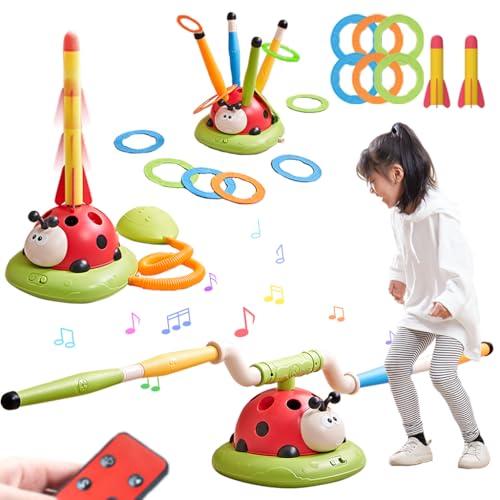
Gross Motor Toys: The Complete Guide to Active Play & Development
Unlock your child's physical potential with the right active play equipment. From first steps to confident jumps, discover how gross motor toys build strength, balance, and lifelong coordination skills.
Explore Toy Categories🏃 Why Gross Motor Toys Matter: Gross motor skills involve the large muscle groups responsible for walking, running, jumping, and climbing. These foundational movements are critical for physical health, cognitive development, and self-confidence. The right toys make practice feel like pure fun.
What Are Gross Motor Toys?
Gross motor toys are play items specifically designed to engage the body's large muscle groups. Unlike fine motor toys that focus on hand and finger dexterity, gross motor toys encourage whole-body movement — crawling, walking, balancing, jumping, climbing, throwing, and kicking.
These toys are essential for developing core strength, coordination, spatial awareness, and balance. They also support brain development by strengthening the neural pathways that connect physical movement with sensory processing and problem-solving.
From a developmental perspective, gross motor play is not just about physical fitness. Research shows that active play supports attention span, emotional regulation, and social skills. When children climb a playhouse with swing and slide, they are not only building muscle — they are learning to assess risk, plan movements, and persist through challenges.
For parents researching the best options, understanding the different categories of gross motor toys is the first step. The market ranges from simple entry-level balance boards to premium outdoor play structures. This guide will help you navigate the choices and find the right fit for your child's age, interests, and developmental stage.
Key Categories of Gross Motor Toys
Gross motor toys can be grouped into several functional categories. Each targets different aspects of physical development and suits different ages and abilities.
Balance & Coordination Toys
Balance bikes, wobble boards, stepping stones, and balance beams help children develop stability, core strength, and spatial awareness. These are foundational for later skills like cycling and sports.
Climbing & Crawling Toys
Soft play blocks, climbing triangles, crawling tunnels, and indoor climbing frames encourage exploration and build upper body strength. Ideal for toddlers and preschoolers.
Ride-On & Wheeled Toys
From simple push-along walkers to pedal bikes and ride-on toys for 3-5 year olds, these toys develop leg strength, coordination, and confidence in motion.
Throwing & Catching Toys
Soft balls, bean bags, ring toss games, and velcro catch sets refine hand-eye coordination and timing. Great for group play and social development.
Jumping & Hopping Toys
Hoppers, jump ropes, pogo sticks, and trampolines build explosive leg strength and rhythm. These high-energy toys are perfect for burning excess energy.
Outdoor Play Structures
Swing sets, slides, playhouses, and climbing frames offer comprehensive gross motor challenge. Products like outdoor play equipment for 2-5 year olds combine multiple activities in one setup.
Age-by-Age Guide to Gross Motor Toys
Children develop gross motor skills at their own pace, but age ranges provide a useful framework for choosing appropriate toys. The following guide outlines typical developmental milestones and matching toy recommendations.
| Age Range | Key Milestones | Recommended Toys |
|---|---|---|
| 6–12 Months | Rolling, sitting, crawling, pulling to stand | Soft crawling tunnels, activity gyms, push-along walkers |
| 1–2 Years | Walking, climbing stairs with help, kicking a ball | Push toys, simple ride-ons, soft play blocks, gross motor skills toys for 2 year olds |
| 2–3 Years | Running, jumping in place, throwing overhand | Balance bikes, small slides, hoppers, ball games |
| 3–5 Years | Hopping, skipping, pedaling a tricycle | Pedal bikes, outdoor play equipment, climbing frames, bean bag games |
| 5–7 Years | Advanced coordination, sports skills, bicycle riding | Ride-on toys for 5-7 year olds, jump ropes, swing sets, sports equipment |
| 7+ Years | Refined athletic skills, team sports, complex movement | Skateboards, scooters, advanced climbing structures, fun outdoor toys for 9 year olds |
What to Look for in Gross Motor Toys
When evaluating gross motor toys, several factors influence both safety and developmental value. These considerations apply across all product tiers, from entry-level to premium.
Durability & Construction
Active play puts stress on toys. Look for durable construction with reinforced joints and sturdy materials. Wooden toys should have smooth, splinter-free finishes. Plastic toys should be thick and flexible rather than brittle. Metal components should be rust-proof, especially for outdoor use. A solid build ensures the toy can withstand energetic play and remain safe over time.
Safety Certifications & Design
Always check for age-appropriate safety labels and certifications. Avoid toys with small detachable parts for children under three. Edges should be rounded, and surfaces non-slip. For ride-on toys, ensure stable bases and responsive brakes. Outdoor structures should meet relevant safety standards and be securely anchored.
Adjustability & Growth
Many premium gross motor toys offer adjustable features — height-adjustable handlebars, extendable frames, or modular components. These allow the toy to grow with your child, extending its useful life and providing good value for its tier. A mid-range balance bike with adjustable seat and handlebars often serves a child for several years.
Versatility & Engagement
The best gross motor toys offer multiple ways to play. A climbing triangle can be used for climbing, sliding, and fort-building. A swing set may include a slide, climbing wall, and monkey bars. Versatile toys keep children engaged longer and support broader skill development. Feature-rich designs within their class tend to provide the most enduring play value.
Gross Motor Toy Categories Compared
The table below summarizes the main categories, their developmental focus, and ideal age ranges. Use this as a quick reference when narrowing down options.
| Category | Primary Skill Focus | Best For | Tier Examples |
|---|---|---|---|
| Balance Toys | Core stability, coordination | Ages 2–6 | Entry-level wobble boards to premium balance bikes |
| Climbing Structures | Upper body strength, problem-solving | Ages 1–8 | Starter soft blocks to top-tier wooden climbing frames |
| Ride-On Toys | Leg strength, steering, confidence | Ages 1–7 | Essential tier push toys to high-end pedal bikes |
| Ball & Throwing Games | Hand-eye coordination, timing | Ages 2–10 | Mid-range ball sets to professional-grade sport kits |
| Jumping Toys | Explosive leg power, rhythm | Ages 3–10 | Entry-level hoppers to premium trampolines |
| Outdoor Play Sets | Comprehensive motor development | Ages 2–12 | Balanced tier playhouses to commercial-grade swing sets |
The Developmental Benefits of Gross Motor Play
Gross motor toys do more than burn energy. They are powerful tools for whole-child development. Here is how active play shapes growing bodies and minds.
Physical Health & Fitness
Regular gross motor activity strengthens muscles and bones, improves cardiovascular health, and supports healthy weight management. Active play also enhances flexibility and reduces the risk of chronic health issues later in life. Toys that encourage movement — from great outdoor toys for 4 year olds to structured sports equipment — make physical activity a natural part of daily life.
Cognitive & Academic Readiness
Movement and learning are deeply connected. Gross motor play stimulates the vestibular system, which supports balance and spatial orientation. It also improves attention and focus. Children who engage in regular active play often show better readiness for academic tasks that require sitting still and concentrating.
Social & Emotional Growth
Group gross motor activities — relay races, ball games, playground play — teach cooperation, turn-taking, and resilience. Mastering a new physical skill, like riding a balance bike or climbing to the top of a play structure, builds self-confidence and a growth mindset. These experiences are invaluable for emotional development.
How to Choose the Right Gross Motor Toy
With so many options available, selecting the right toy can feel overwhelming. Follow these practical steps to make a confident decision.
- Assess your child's current abilities. Choose a toy that is slightly challenging but achievable. A child who has just started walking will benefit from a stable push toy, not a balance bike.
- Consider the play environment. Indoor spaces suit soft play equipment, balance boards, and small climbing frames. Outdoor spaces open up options like swing sets, ride-on toys, and water play.
- Check safety and durability. Look for sturdy construction, non-toxic materials, and age-appropriate safety features. Read reviews and check for certifications.
- Think about longevity. Adjustable or modular toys offer better long-term value. A climbing frame that converts from a toddler slide to a larger structure, for example, serves a family for years.
- Balance challenge with fun. The best toy is one your child will actually use. Involve them in the choice when possible, and prioritize play value over complexity.
For families with limited outdoor space, consider compact options like children's play tents or indoor balance boards. For those with ample backyard space, larger investments like residential outdoor playground equipment can provide years of active fun.
Safety Tips for Gross Motor Play
Active play carries inherent risks, but thoughtful precautions minimize them. Keep these safety guidelines in mind.
- Supervise young children. Children under five should always be supervised during active play, especially on climbing structures and ride-on toys.
- Use protective gear. Helmets, knee pads, and elbow pads are essential for biking, scootering, and skateboarding.
- Check equipment regularly. Inspect toys for wear, loose parts, or damage. Repair or replace compromised items promptly.
- Create a safe play zone. Use soft surfacing under climbing structures and keep play areas free of obstacles.
- Follow age recommendations. Age labels are based on developmental readiness and safety, not just physical size.
Frequently Asked Questions
What are gross motor toys?
Gross motor toys are play items designed to engage large muscle groups, encouraging movements like walking, jumping, climbing, balancing, and throwing. They support physical development, coordination, and overall fitness.
At what age should children start using gross motor toys?
Children can begin with simple gross motor toys as early as 6-12 months, such as soft crawling tunnels and push-along walkers. Complexity should increase with age, progressing to balance bikes, climbing frames, and sports equipment.
How do gross motor toys benefit child development?
They develop core strength, balance, coordination, spatial awareness, and confidence. Active play also supports cognitive skills, attention span, and social-emotional growth through group activities and problem-solving.
What safety considerations should parents keep in mind?
Always follow age recommendations and safety warnings. Ensure toys are sturdy with no sharp edges, supervise young children, use protective gear for riding toys, and regularly inspect equipment for wear or damage.
Can gross motor toys be used indoors?
Yes, many gross motor toys are designed for indoor use, including soft play blocks, balance boards, climbing triangles, and small ride-on toys. Choose compact, safe options that suit your indoor space.
How do I know which gross motor toy is right for my child?
Consider your child's current abilities, interests, and play environment. Choose a toy that offers a slight challenge without frustration, check safety features, and prioritize adjustable or versatile designs for long-term value.
Final Thoughts
Gross motor toys are an investment in your child's physical, cognitive, and emotional development. From a first push-along walker to a full backyard play structure, the right toys make active play a joyful daily habit.
Use this guide to evaluate options based on your child's age, developmental stage, and play environment. Prioritize safety, durability, and versatility — and remember that the best toy is the one your child will use with confidence and delight.
Whether you are looking for cool outdoor toys for 5 year olds, a children's play house, or a simple balance board, the options above provide a solid starting point for active, engaged play.
Disclaimer
Toy Range provides educational content and reviews only. Not a substitute for professional pediatrician or child development specialist services. Always follow age recommendations and safety warnings on toy packaging. Supervise young children during play. We are not responsible for injuries or accidents related to toy use. Some content may use AI. By using this site, you accept these terms. Read full disclaimer.