
Children's Play Tent: The Ultimate Guide to Choosing the Perfect Play Tent
Discover how a children's play tent can transform any space into a world of imagination. From cozy reading nooks to backyard adventures, this comprehensive guide covers everything you need to know about choosing, using, and maintaining the ideal play tent for your child.
Explore Play Tent Types🏠 Why a Play Tent? A children's play tent is more than just a toy — it is a dedicated space for creativity, relaxation, and developmental growth. Whether used indoors as a cozy reading corner or outdoors as a base camp for adventures, play tents encourage imaginative play, support emotional regulation, and provide a sense of ownership and privacy that children crave. This guide will walk you through every consideration, from tent types and materials to safety standards and play ideas.
What Is a Children's Play Tent?
A children's play tent is a small, enclosed structure designed specifically for kids to play in, read, rest, or simply enjoy their own company. Unlike adult camping tents, play tents are built with child-friendly features such as:
- Soft, breathable fabrics that are gentle on skin and allow airflow
- Mesh windows and doors for visibility and ventilation
- Lightweight frames that are easy to assemble and move
- Vibrant, playful designs that appeal to young imaginations
- Non-toxic, flame-retardant materials that meet safety standards
Play tents come in a wide variety of shapes, sizes, and themes — from classic teepees and castle forts to pop-up tunnels and themed character tents. They can be used in bedrooms, living rooms, playrooms, backyards, and even at the beach. The right play tent grows with your child, serving as a reading nook for toddlers, a secret hideout for preschoolers, and a social hub for school-age kids.
For families who want to extend the play experience beyond the tent itself, consider pairing a play tent with a children's play house or a collection of play houses to create a mini play village. The combination of enclosed and open play spaces keeps children engaged for hours.
Types of Children's Play Tents
Understanding the different types of play tents will help you match the right product to your child's age, interests, and your available space. Here is a breakdown of the most popular styles.
Pop-Up Play Tents
These tents spring open in seconds and fold flat for storage. They are ideal for families with limited space or for taking on trips. Pop-up tents often feature mesh sides for visibility and are excellent for toddlers who need a secure, enclosed space.
Entry-Level TierClassic Teepee Tents
With their conical shape and wooden poles, teepees offer a timeless, rustic appeal. They are spacious enough for multiple children and work beautifully as reading nooks or creative play stations. Teepees typically use canvas or cotton fabric for a natural feel.
Mid-TierPlay Tunnels & Tents Sets
Combining a tunnel with a tent creates a dynamic play course that encourages crawling, movement, and cooperative play. These sets are especially popular for active toddlers and preschoolers who love to explore.
Entry-Level TierThemed Play Tents
From castles and spaceships to fairy houses and pirate ships, themed tents spark storytelling and role-play. These are typically mid-range to premium in construction, with detailed prints and sometimes interactive features like flaps and peek-through windows.
Premium TierOutdoor Play Tents
Built with weather-resistant materials and sturdy frames, outdoor play tents are designed to withstand backyard use. They often include ground stakes, sandbags, and UV-resistant fabrics. These are a solid choice for families who want year-round outdoor play.
Mid-RangeLuxury & Designer Play Tents
At the high-end tier, you will find designer play tents made from premium organic fabrics, with handcrafted wooden frames and intricate embroidery. These are long-term investments that double as nursery decor and heirloom-quality pieces.
Luxury TierWhen choosing between these types, consider how your child plays. If your child loves to curl up with books, a classic teepee or a cozy play house may be ideal. If your child is constantly on the move, a tunnel-and-tent set or a pop-up play tent offers more physical engagement. For families with expansive outdoor spaces, an outdoor play tent pairs wonderfully with other great outdoor toys for 4-year-olds or even a play equipment set for 2-5-year-olds to create a complete backyard adventure zone.
Key Features to Look For in a Play Tent
Not all play tents are created equal. The following features have the biggest impact on safety, durability, and overall play value.
1. Fabric & Materials
The best play tents use breathable, non-toxic fabrics such as cotton canvas, polyester blends, or oxford nylon. Look for fabrics that are:
- Flame-retardant and compliant with safety standards
- Free from harmful chemicals like phthalates and BPA
- Easy to clean — spot-cleanable or machine-washable covers are a major plus
- Durable enough to withstand enthusiastic play without tearing
2. Frame & Structure
Frames are typically made from fiberglass, plastic, or wood. Fiberglass poles are lightweight and flexible, making them ideal for pop-up tents. Wooden frames offer a more natural aesthetic and are common in teepees. Ensure the frame has no sharp edges, pinch points, or exposed metal that could injure a child.
3. Ventilation & Visibility
Mesh windows and doors are essential for airflow and allow parents to keep an eye on their child. Tents with multiple mesh panels are safer, especially for younger children who may feel anxious in enclosed spaces.
4. Size & Floor Space
Consider how many children will use the tent at once. A small pop-up tent may fit one toddler comfortably, while a large teepee or castle tent can accommodate two to three children. Also think about ceiling height — a tent that is too low will frustrate older kids.
5. Portability & Storage
If you plan to move the tent between rooms or take it outdoors, look for lightweight models with carrying bags. Pop-up tents are the most portable, collapsing into a flat disc that fits behind a sofa or in a closet.
6. Anchoring & Stability
For outdoor use, anchoring is critical. Look for tents that include ground stakes, sandbags, or weighted corners. A stable tent prevents tip-overs and keeps the structure secure on windy days.
7. Ease of Assembly
Some tents assemble in seconds with a simple pop-up mechanism, while others require threading poles through sleeves. If you will be setting up and taking down the tent frequently, prioritize easy assembly. For a more permanent playroom setup, a sturdier tent with a fixed frame is a worthwhile investment.
💡 Pro Tip: Before purchasing, measure the intended space and check the tent's assembled dimensions. A tent that looks compact online may be larger than expected, and a tent that seems spacious may be too tall for a low-ceiling playroom. Always check the product specifications for exact measurements.
Play Tent Safety: What Parents Need to Know
Safety should always come first when choosing a children's play tent. Here are the essential safety considerations:
Age Appropriateness
Most play tents are recommended for children aged 3 and up. For toddlers under 3, choose tents with soft, mesh sides and no small detachable parts. Always supervise young children during play, especially in enclosed spaces.
Material Safety
Look for tents that are labeled as non-toxic, BPA-free, and phthalate-free. Fabrics should be flame-retardant and meet applicable safety standards (such as CPSIA in the United States or EN71 in Europe). Avoid tents with strong chemical odors, which may indicate harmful substances.
Structural Safety
Check for:
- Sturdy frames that will not collapse during play
- No sharp edges or exposed wires on poles or connectors
- Secure locking mechanisms on pop-up tents to prevent accidental folding
- Breathable mesh panels to prevent overheating and ensure airflow
Outdoor Safety
When using a play tent outdoors, always anchor it securely with stakes or sandbags. Avoid setting up near slopes, water, or areas with sharp debris. Never leave children unattended in an outdoor play tent, and bring the tent inside during storms or high winds.
Choking & Strangulation Hazards
Inspect the tent for loose strings, small detachable decorations, or zipper pulls that could pose a choking risk. Ensure there are no loops or cords that could become entangled around a child's neck.
Play Tent Comparison by Tier
The following table compares play tent categories by market tier, materials, and best use case. This will help you match your needs to the right product class.
| Tent Type | Tier | Best For | Key Materials | Portability |
|---|---|---|---|---|
| Pop-Up Play Tent | Entry-Level | Toddlers, travel, small spaces | Polyester, fiberglass poles | Excellent |
| Tunnel & Tent Set | Entry-Level | Active toddlers, cooperative play | Polyester, mesh, plastic frame | Very Good |
| Classic Teepee | Mid-Range | Reading nooks, calm play | Cotton canvas, wooden poles | Good |
| Outdoor Play Tent | Mid-Range | Backyard adventures, active play | Oxford nylon, fiberglass or metal frame | Good |
| Themed Play Tent | Premium | Imaginative play, room decor | Polyester, detailed prints, sturdy frame | Moderate |
| Designer/Luxury Tent | Luxury | Heirloom quality, nursery decor | Organic cotton, handcrafted wood | Low |
When comparing tiers, keep in mind that entry-level tents are generally lighter and more portable, while premium and luxury tents prioritize material quality, design detail, and longevity. A mid-range teepee or outdoor tent often represents the sweet spot for families who want a durable, long-lasting play tent without moving into the luxury tier.
Creative Play Ideas with a Children's Play Tent
A play tent is a blank canvas for imagination. Here are some of the most popular ways to use a play tent to inspire creative, developmental play:
Indoor Play Ideas
- Cozy Reading Nook: Fill the tent with cushions, blankets, and a small bookshelf or book bin. A play tent creates a dedicated, distraction-free reading space that encourages a lifelong love of books.
- Pretend Camping: Use battery-operated fairy lights, a small sleeping bag, and plush animal friends to create an indoor camping experience. This is a wonderful rainy-day activity that sparks storytelling.
- Secret Hideout: Children love having a private space of their own. A play tent gives them a sense of ownership and autonomy, which supports emotional development.
- Puppet Theater: Drape a small curtain or fabric over the tent entrance and use hand puppets or stuffed animals to put on a show. This builds language skills and social confidence.
- Sensory Space: Add textured cushions, a small soft rug, and calm lighting to create a sensory-friendly retreat for children who need a quiet break.
Outdoor Play Ideas
- Backyard Base Camp: Set up the play tent as a home base for outdoor adventures. Pair it with outdoor toys for two-year-olds or cool outdoor toys for 5-year-olds to create a full day of backyard fun.
- Nature Explorer Tent: Use the tent as a starting point for a nature scavenger hunt. Children can collect leaves, rocks, and pinecones and bring them back to the tent to examine.
- Picnic Tent: Spread a blanket inside the tent and enjoy a picnic lunch or snack outdoors. This is a simple way to make an ordinary day feel special.
- Garden Playhouse: Place the play tent in a garden or on a patio and surround it with potted plants to create a magical garden hideaway. This pairs beautifully with a playhouse with swing and slide for a complete outdoor play destination.
- Beach or Park Tent: Lightweight pop-up tents are perfect for taking to the beach or park, providing shade and a safe spot for children to rest between activities.
🌟 Developmental Benefit: Play tents support a wide range of developmental skills, including gross motor skills (crawling in and out), fine motor skills (manipulating zippers and flaps), social skills (cooperative play with siblings and friends), and emotional regulation (having a calm, private space to retreat to).
Caring for Your Children's Play Tent
Proper care and maintenance will extend the life of your play tent and keep it safe for years of play. Follow these guidelines:
- Spot-clean regularly: Use a damp cloth and mild soap to wipe down surfaces. Avoid harsh chemicals that could damage the fabric or leave harmful residues.
- Check washing instructions: Some fabric covers are removable and machine-washable on a gentle cycle. Always air-dry fabric components completely before reassembling.
- Store properly: When not in use, fold the tent according to the manufacturer's instructions and store it in a dry, cool place. Avoid compressing the frame for extended periods if it is made of fiberglass or plastic, as this can cause deformation.
- Inspect for wear: Regularly check seams, zippers, and frame connections for signs of wear or damage. Repair or replace damaged components promptly to prevent accidents.
- Bring outdoor tents inside: Even weather-resistant tents will last longer if protected from prolonged sun exposure, rain, and wind. Bring the tent inside when not in use.
- Prevent mold and mildew: Ensure the tent is completely dry before folding and storing. If the tent becomes damp, air it out in a shaded, well-ventilated area.
For families who also own a children's play house or other outdoor play structures, establish a regular cleaning routine for all play equipment to keep everything in top condition.
Frequently Asked Questions About Children's Play Tents
What age is a children's play tent suitable for?
Most children's play tents are designed for ages 3 and up. However, pop-up tents with soft, mesh sides can be suitable for toddlers as young as 12 months under close supervision. Always check the manufacturer's age recommendation and ensure the tent has no small detachable parts that could pose a choking hazard.
Can a play tent be used outdoors?
Yes, many play tents are designed for both indoor and outdoor use. Look for models with weather-resistant fabrics, reinforced seams, and ground stakes or sandbags for stability. However, outdoor play tents should not be left outside in heavy rain or strong winds, and they should be brought inside when not in use to extend their lifespan. If you plan to set up a full outdoor play area, consider pairing your play tent with other outdoor toys for two-year-olds or a playhouse with swing and slide for a complete backyard experience.
How do I clean a children's play tent?
Most fabric play tents can be spot-cleaned with a damp cloth and mild soap. For deeper cleaning, check if the fabric cover is removable and machine-washable. Pop-up tents and plastic play tents can be wiped down with a disinfectant wipe. Always allow the tent to air-dry completely before folding it away to prevent mold and mildew.
What safety features should I look for in a play tent?
Look for play tents with breathable mesh windows for ventilation, sturdy frames with no sharp edges, non-toxic and flame-retardant fabrics, and secure anchoring systems for outdoor use. Avoid tents with loose strings, small detachable parts, or flimsy poles that could collapse. Always supervise young children during play.
How do I choose the right size play tent?
Consider how many children will use the tent at once and the available space in your home or yard. A small pop-up tent (around 30-36 inches wide) is ideal for one toddler, while a larger teepee or castle tent (48-60 inches wide) can accommodate two to three children. Measure your intended space before purchasing and check the assembled dimensions in the product specifications.
Are play tents good for child development?
Yes, play tents offer numerous developmental benefits. They provide a dedicated space for imaginative play, which supports cognitive development and creativity. Crawling in and out of the tent builds gross motor skills, while zipping and unzipping flaps develops fine motor skills. The enclosed space also offers a sense of security and privacy that supports emotional regulation, and sharing the tent with others encourages cooperative play and social skills.
Can a play tent be used as a permanent playroom feature?
Absolutely. Many families use play tents as a permanent fixture in a playroom or bedroom. A classic teepee or a themed play tent can double as a reading nook, a calm-down corner, or a decorative element that ties the room's design together. For a more permanent setup, choose a tent with a sturdy frame and high-quality materials that will hold up to daily use.
Top Children's Play Tents for Endless Adventures
⚠️ AFFILIATE DISCLOSURE: This website contains affiliate links. As an Amazon Associate, we earn from qualifying purchases. If you make a purchase through these links, we may receive a small commission at no additional cost to you. Read our full affiliate policy.

Senodeer Kids Play Tent Indoor: with Mat, Tassel Garland - Girl Tent Indoor Playhouse for Kids Toys for Boy Girl Birthday Gift
Check price on Amazon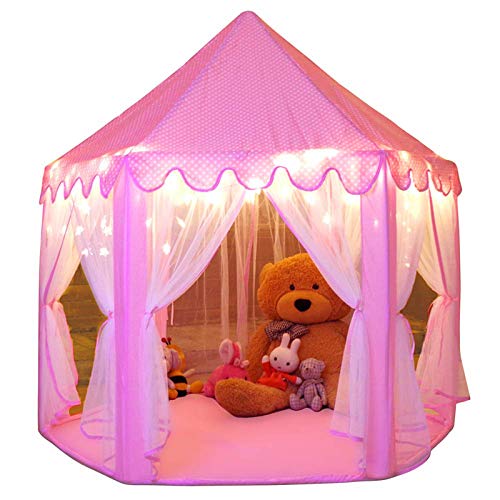
Monobeach Princess Tent Girls Large Playhouse Kids Castle Play Tent with Star Lights Toy for Children Indoor and Outdoor Games, 55'' x 53'' (DxH)
Check price on Amazon
Little Dove Extra Large Kids Play Tent with Flags & Star Lights, Portable & Foldable Teepee Tents, Dome Tent Playhouse for Indoor & Outdoor Use, Kids Tent for Boys & Girls, 59x39x59 in, Cream
Check price on Amazon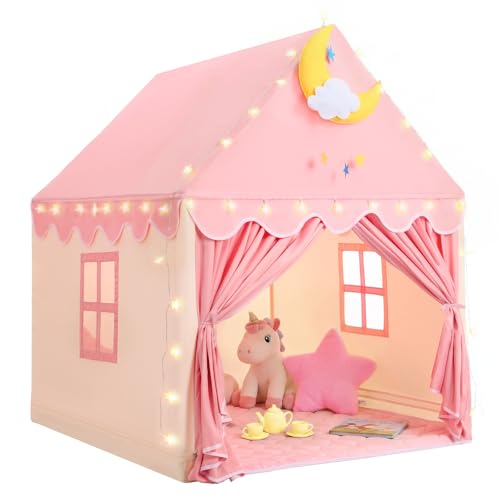
GeeSound Kids Tent for Girls Indoor: with Mat, Star Lights, Pink Play Tents | Indoor Playhouse Princess Tent for Playroom Gift for Girls Birthday for Kids
Check price on Amazon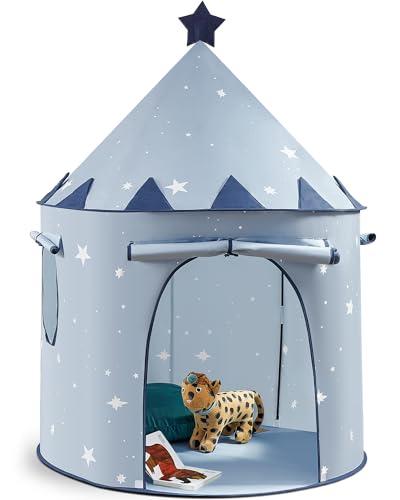
Tiny Land Kids Play Tent, Blue Castle Pop Up Tent for Toddlers Indoor | Portable Playhouse for Fun & Imaginative Play, Cute Toys Gifts for 2 Year Old Girl & Boy
Check price on Amazon
Mnagant Kids Play Tent Indoor, Solar System Space Tent, Portable Playhouse | Children enjoy reading, pretend play & outdoor camping fun. Gift idea for girls & boys; mesh top and carry bag, 47 x 43 in
Check price on Amazon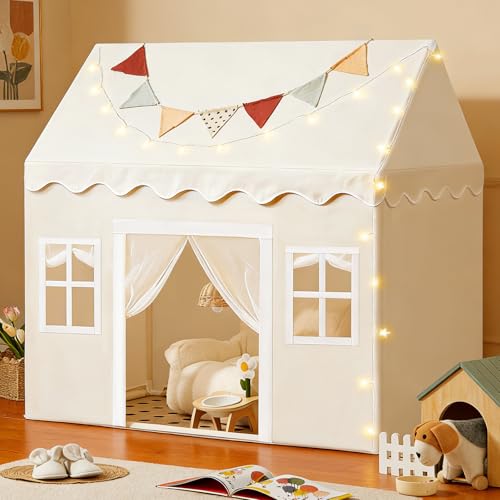
Tiny Land Kids Play Tent with Padded Mat & LED Lights, Ages 3+ | Modern Home Design, Neutral Color Indoor Playhouse, Cozy Bed Tent for Toddler, Ideal Toy Gift For Boys & Girls
Check price on Amazon
JOYIN Rocket Ship Play Tent Kids Spaceship Playhouse Tent Set Indoor Outdoor Easy Assembly Play Tent
Check price on AmazonFinal Thoughts: Choosing the Perfect Play Tent for Your Child
A children's play tent is a versatile, developmental, and endlessly fun addition to any home. Whether you choose a simple pop-up tent for a toddler, a classic teepee for a preschooler, or a premium themed tent for a school-age child, the right play tent will provide years of imaginative play, quiet retreats, and joyful memories. Use this guide to evaluate your space, your child's play style, and your safety priorities, and you will find a play tent that becomes a beloved part of childhood.
For more inspiration on creating a complete play environment, explore our guides on children's play houses, outdoor toys for two-year-olds, and great outdoor toys for 4-year-olds. And for families with older children, our recommendations for cool outdoor toys for 5-year-olds will help you build a backyard play space that grows with your child.