Outdoor Play Equipment for 2-5 Year Olds: The Complete Buying Guide
Everything parents need to choose safe, engaging, and developmentally appropriate outdoor play equipment for toddlers and preschoolers — from first slides and baby swings to playhouses and climbing frames.
Explore Top PicksQuick Summary: For children aged 2 to 5, the best outdoor play equipment combines low-height designs, rounded edges, and stable, anchored frames. Prioritize a toddler slide with a gentle slope, a bucket-style baby swing, and a small playhouse or play tent with a wide entrance. Children in this range are building gross motor skills rapidly, so choose equipment that challenges them without exceeding their balance and coordination. Always check age-safety labels and supervise play.
Why Outdoor Play Matters for Ages 2-5
The toddler and preschool years are a critical window for gross motor development. Between ages 2 and 5, children progress from tentative walking and climbing to running, jumping, pedaling, and navigating slides and swings with confidence. Outdoor play equipment gives them a structured, repeatable way to practice these skills while burning energy and building balance, coordination, and spatial awareness.
Beyond physical development, outdoor play supports social and emotional growth. Waiting for a turn on a slide, negotiating space in a playhouse, and cheering on a sibling on a swing all build cooperation and patience. Outdoor play also exposes children to natural light and fresh air, which supports healthy sleep rhythms and mood regulation.
When selecting equipment, think of it as an investment in daily movement. A single well-chosen climbing frame or swing set can serve a family for years, especially if it is adjustable or modular. If you are also outfitting a backyard for active play, our guide to great outdoor toys for 4-year-olds complements larger play structures with portable, rotating favorites.
Types of Outdoor Play Equipment for Toddlers & Preschoolers
Outdoor play equipment for the 2-5 age band generally falls into a handful of categories. Each serves a different developmental purpose, and many families combine two or three types for a well-rounded backyard setup.
Toddler Slides
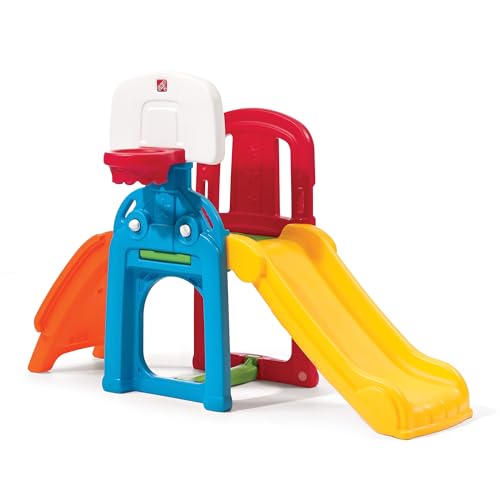
A first slide is often the entry point into outdoor play. Look for gentle slopes, high side rails, and a wide base. Folding or freestanding slides suit small yards; larger slide-and-climb combos add variety.
Starter TierSwing Sets
Bucket-style baby swings with full back support are ideal for 2-year-olds, while older preschoolers can transition to standard belt swings. Look for A-frame or frame-and-leg designs with secure anchoring.
Essential to Mid-TierPlayhouses & Play Tents
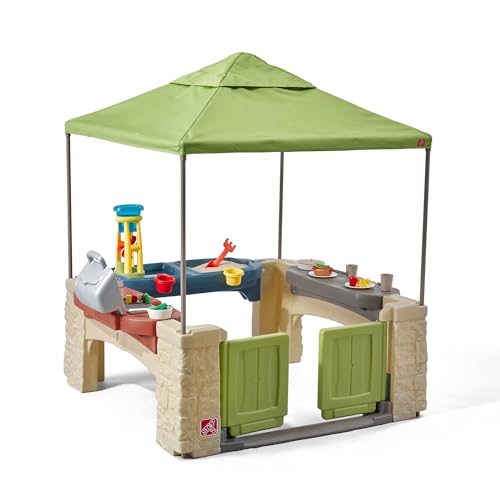
Playhouses support imaginative play and give toddlers a sense of ownership over a small space. Plastic playhouses with wide doorways and low walls are easy for young children to enter and exit.
Mid-TierClimbing Frames & Pikler-Style Sets
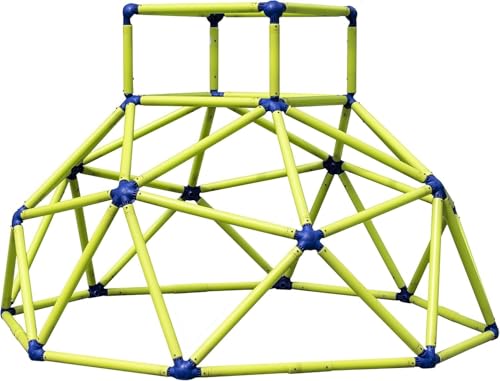
Low climbing structures build confidence and coordination. Wooden climbing frames with rounded edges and textured surfaces are popular for Montessori-inspired backyards.
Mid-TierPlayground Combos
Combination sets that include a slide, swing, and climbing wall offer the most variety in a single footprint. These are typically the largest investment but serve multiple children and age stages.
High-End TierSandboxes & Water Tables
Sensory play stations round out an outdoor setup. Covered sandboxes keep debris out, while water tables add a tactile, cooling activity for warm afternoons.
Essential TierMatching Equipment to Your Child's Age
The 2-5 range spans significant developmental leaps, so equipment that suits a 2-year-old may frustrate a 4-year-old and vice versa. Use the breakdown below as a general guide, and always check the manufacturer's age and weight recommendations.
Ages 2-3: Building Confidence
At this stage, children are mastering balance and beginning to climb. Choose equipment with low heights, wide bases, and enclosed designs. A gentle-slope toddler slide, a bucket baby swing, and a small playhouse with a wide doorway are ideal. Our dedicated guide to outdoor toys for two-year-olds covers portable and starter options in more depth.
Ages 3-4: Expanding Exploration
Preschoolers gain coordination and want to climb higher, swing faster, and slide repeatedly. This is the sweet spot for adding a climbing frame, a standard belt swing (with adult supervision), and a slide with a slightly steeper slope. A play tent or small playhouse can become a base for pretend play. For complementary ideas, see our roundup of cool outdoor toys for 5-year-olds.
Ages 4-5: Peak Preschool Play
By age 4-5, children can handle more complex climbing challenges and longer play sessions. Combination playground sets with a slide, swing, and climbing wall offer the most engagement. Look for sets with adjustable swing heights so the equipment grows with your child. If you are planning a larger backyard upgrade, our overview of residential outdoor playground equipment covers bigger structures and installation considerations.
Safety Checklist Before You Buy
Safety should drive every decision when buying equipment for young children. Run through this checklist before finalizing any purchase.
- Check age-safety labels. Equipment intended for ages 2-5 should be clearly labeled as such. Avoid equipment rated for older children, even if it looks approachable.
- Inspect for sharp edges and pinch points. Rounded corners, capped bolts, and covered joints reduce injury risk. Look for smooth, splinter-free surfaces on wooden sets.
- Verify fall height and surfacing needs. Slides and climbing frames should be placed over impact-absorbing surfacing such as rubber mulch, wood chips, or a proper play mat — never directly on concrete or hard-packed dirt.
- Confirm anchoring requirements. Most swing sets and climbing frames must be anchored to prevent tipping. Ground stakes or anchor kits are commonly included or recommended.
- Check for non-toxic finishes. Painted wooden equipment should use child-safe, lead-free finishes. Plastic components should be free of BPA and phthalates where applicable.
- Look for stable, wide footprints. A wide base improves stability, especially for freestanding slides and small climbing frames.
- Plan for supervision. No equipment replaces adult supervision for children under 5. Position equipment within sight of a window or seating area.
If your child is also using ride-on toys or battery-powered vehicles, review the safety guidance in our battery-operated ride-on toys for 2-year-olds guide, which covers helmet use, speed limits, and supervision.
Comparison Table: Equipment by Tier
The table below groups common outdoor play equipment by market tier and developmental purpose. Use the "Best For" column to match equipment to your child's age and your backyard space.
| Equipment Type | Tier | Best For | Key Features |
|---|---|---|---|
| Toddler Slide (freestanding) | Entry-Level | Ages 2-3, small yards | Gentle slope, high side rails, folding design |
| Bucket Baby Swing | Essential Tier | Ages 2-3 | Full back support, front safety bar, adjustable ropes |
| Plastic Playhouse | Mid-Tier | Ages 2-5 | Wide doorway, low walls, easy-clean surfaces |
| Wooden Climbing Frame | Mid-Tier | Ages 3-5 | Textured rungs, rounded edges, Montessori-style design |
| Swing & Slide Combo Set | High-End Tier | Ages 3-5, multiple children | A-frame construction, bucket + belt swings, slide, anchors |
| Covered Sandbox | Essential Tier | Ages 2-5 | Lid for debris protection, shallow depth, rounded corners |
| Play Tent / Teepee | Starter Tier | Ages 2-5 | Portable, lightweight, imaginative play base |
Setup, Anchoring & Maintenance Tips
Proper installation and routine maintenance extend the life of outdoor play equipment and keep children safe. Follow these practical guidelines.
- Choose a level, shaded spot. Place equipment on level ground away from trees with low branches, fences, and hard surfaces. Some shade reduces heat buildup on plastic slides and metal components.
- Anchor everything that can tip. Swing sets, climbing frames, and taller slides should be anchored according to the manufacturer's instructions. Ground stakes work for many freestanding sets; larger structures may require concrete footings.
- Install impact-absorbing surfacing. Rubber mulch, wood chips, or play mats should extend at least six feet around swings and slides, and further in front of slide exits.
- Inspect hardware monthly. Tighten bolts, check swing chains and ropes for fraying, and look for cracks in plastic components. Replace worn parts promptly.
- Clean and treat seasonally. Wipe plastic surfaces with mild soap and water. Inspect wooden sets for splinters and reapply child-safe sealant as needed.
- Store portable items during storms. Folding slides, play tents, and lightweight sandbox covers should be secured or stored during high winds.
For families also considering battery-powered vehicles for older preschoolers, our guide to electric ride-on toys for 3-year-olds covers safe speeds and supervision for that category.
Recommended Outdoor Play Equipment
The products below are selected for their safety features, durability, and suitability for children aged 2 to 5. Each is grouped by category so you can match equipment to your child's stage and your backyard space.
Freestanding Toddler Slide
A gentle-slope slide with high side rails and a wide base is the ideal first outdoor play purchase for a 2-year-old. Folding designs make storage easy in small yards.
Entry-Level- Low height suits ages 2-3
- Easy to move and store
- Simple assembly
- Short lifespan as child grows
- Requires level ground
Bucket-Style Baby Swing
Full-back bucket swings keep toddlers secure while they learn the rhythm of swinging. Adjustable ropes accommodate growth through the preschool years.
Essential Tier- Secure full-body support
- Adjustable rope height
- Weather-resistant materials
- Requires a compatible frame
- Transition to belt swing needed later
Plastic Playhouse
A playhouse with a wide doorway and low walls gives toddlers a sense of ownership and a base for pretend play. Look for UV-resistant plastic and rounded edges.
Mid-Tier- Supports imaginative play
- Easy to clean
- Wide doorway for easy entry
- Large footprint
- Can become hot in direct sun
Wooden Climbing Frame
Montessori-inspired wooden climbing frames with textured rungs build coordination and confidence. Rounded edges and non-toxic finishes are essential for this category.
Mid-Tier- Natural materials
- Builds coordination
- Long-lasting construction
- Needs weather treatment
- Supervision required
Swing & Slide Combo Set
A combination set with a bucket swing, belt swing, slide, and climbing wall offers the most variety in one footprint. Ideal for families with multiple young children.
High-End Tier- Multiple activities in one set
- Serves multiple children
- Often adjustable for growth
- Requires significant space
- More complex installation
Covered Sandbox
A shallow, covered sandbox adds sensory play to the backyard. A lid keeps debris and animals out, and rounded corners protect young children.
Essential Tier- Tactile sensory play
- Cover keeps sand clean
- Low height for toddlers
- Requires sand replacement
- Needs supervision
Frequently Asked Questions
What outdoor play equipment is best for a 2-year-old?
For a 2-year-old, prioritize low-to-the-ground equipment with rounded edges and enclosed designs. A sturdy toddler slide with a gentle slope, a bucket-style baby swing, and a small playhouse with a wide doorway are excellent starter choices. Look for entry-level sets with wide bases and secure anchoring.
How do I choose safe outdoor play equipment for toddlers and preschoolers?
Check for age-safety labels, non-toxic finishes, and a stable footprint. Equipment should have no sharp edges, pinch points, or gaps that could trap small limbs. Anchor swings and climbing frames securely, and always supervise young children during play.
How long can a child use outdoor play equipment sized for 2-5 year olds?
Most 2-5 year old play equipment remains developmentally appropriate for three to four years. Modular or adjustable sets that grow with the child offer the best long-term investment. Once a child outgrows the weight or height limits, transition to equipment sized for older kids.
Should outdoor play equipment be anchored to the ground?
Yes. Nearly all swings, slides, and climbing frames should be anchored to prevent tipping. Ground stakes, concrete footings, or anchor kits are commonly included or recommended. Always follow the manufacturer's anchoring instructions for the specific set.
Ready to Build a Backyard That Grows With Your Child?
Choosing the right outdoor play equipment for ages 2-5 sets the foundation for years of active, imaginative play. Start with one high-quality piece — a safe first slide, a secure bucket swing, or a sturdy playhouse — and expand as your child's confidence grows. Always prioritize anchoring, surfacing, and supervision.
View Top Recommendations