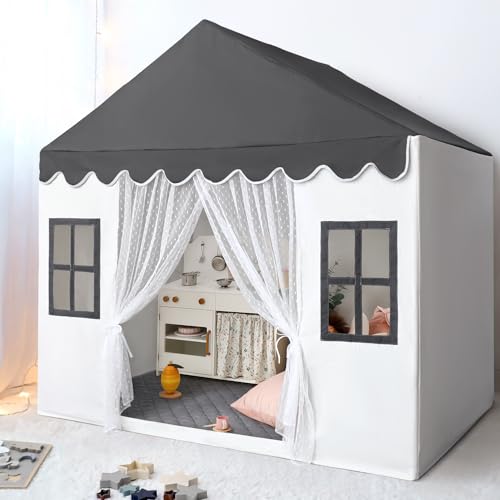
Children's Play Houses: The Complete Buying Guide for Parents
Everything you need to choose the right playhouse for your child — from wooden backyard cottages to inflatable indoor tents. Compare materials, safety features, age suitability, and design styles to make a confident, informed purchase.
Explore Playhouse TypesWhy a Children's Play House Is More Than Just a Toy
A play house gives children a dedicated space that belongs entirely to them — a small world where imagination leads and adults are guests. Child development specialists consistently highlight that this sense of ownership and privacy supports creative thinking, emotional regulation, and independent play. Unlike open-ended toys that get packed away, a playhouse stays in the environment and invites repeat visits, which deepens pretend-play narratives over time.
The benefits extend well beyond fun. When children host "tea parties," run a pretend shop, or organize a secret club, they are practicing language, negotiation, and role-taking. A playhouse becomes a stage for social skills, and many parents report that siblings who struggle to share other toys cooperate naturally inside a playhouse because the space itself defines the rules of engagement.
For families with active kids, outdoor playhouses encourage screen-free time in the backyard and pair beautifully with other great outdoor toys for 4-year-olds and cool outdoor toys for 5-year-olds. If you are still deciding between a playhouse and a simpler shelter, our comparison of the children's play house and the children's play tent breaks down the practical differences.
Types of Children's Play Houses
Before comparing materials, it helps to understand the structural categories. Each type serves a different play style and yard situation, and many families eventually own more than one — a compact indoor playhouse for rainy days and a larger outdoor structure for the garden.
1. Backyard Cottage Playhouses
These are the classic wooden or plastic cottages with a door, windows, and often a small porch. They are designed to stay outdoors year-round and are the most popular choice for families with a permanent garden or patio. Cottage playhouses typically suit ages 3 to 8 and can be personalized with curtains, a mailbox, or a small garden. Models with a loft or elevated platform add a "secret hideout" factor that older kids love.
2. Playhouse with Slide and Swing Combinations
A combined playhouse-and-slide structure multiplies play value: kids can climb, slide, and retreat into the house in one continuous loop. The children's playhouse with swing and slide is especially popular for ages 3 to 7 because it accommodates multiple children at once. These sets take up more footprint, so measure carefully before choosing.
3. Inflatable and Pop-Up Playhouses
Lightweight, portable, and easy to store, inflatable playhouses are ideal for apartments, travel, and temporary indoor fun. They are entry-level in tier and best for toddlers and preschoolers. They are not designed for permanent outdoor use and should be brought inside after play. For parents who want a hybrid of playhouse and tent, the children's play tent offers a similar pop-up experience with fabric walls.
4. Indoor Playhouse Furniture
Some playhouses double as bedroom furniture — a playhouse-shaped bed canopy, a reading nook, or a fabric-covered frame that slides over a mattress. These are mid-range in tier and work well for small bedrooms. They are not structural playhouses but capture the same sense of enclosure that children crave.
5. Brick and Themed Play Structures
For families who want a more permanent garden feature, brick houses and themed play structures offer commercial-grade durability and a storybook aesthetic. These are a long-term investment and typically suit ages 5 and up. They are heavier, require proper groundwork, and are best planned as part of a full backyard design.
Wooden vs Plastic vs Inflatable: Which Material Wins?
Material choice affects durability, safety, maintenance, and how the playhouse fits into your home and yard. There is no single "best" material — the right answer depends on your climate, storage space, and how long you plan to keep the playhouse.
| Material | Tier Positioning | Best For | Durability | Maintenance |
|---|---|---|---|---|
| Wooden | Premium | Permanent backyard setups, families planning long-term use | Excellent with proper treatment; years of service | Annual weatherproofing, occasional sanding |
| Plastic | Mid-Range | Patios, smaller yards, easy-clean households | Good; UV-stabilized plastics resist fading | Wipe-down cleaning, no sealing required |
| Inflatable | Entry-Level | Indoor play, travel, temporary setups | Moderate; vulnerable to punctures | Deflate and store dry; patch kits included |
| Fabric / Pop-Up | Essential Tier | Toddlers, bedroom play, quick assembly | Fair; fabric wears with heavy use | Spot clean, fold flat for storage |
Wooden Playhouses: The Long-Term Investment
Wooden playhouses are the top-tier choice for families who want a structure that becomes part of the garden. Cedar and treated pine are the most common woods; cedar naturally resists rot and insects, while pressure-treated pine is more budget-conscious within the category. Look for smooth-sanded edges, non-toxic water-based finishes, and pre-drilled assembly holes. A well-maintained wooden playhouse can be passed down to younger siblings and even resold — it is a genuine long-term investment.
Plastic Playhouses: Practical and Weather-Resistant
Plastic playhouses dominate the mid-range tier because they balance durability with low maintenance. High-density polyethylene (HDPE) models are UV-stabilized, meaning they resist fading and cracking in sunlight. They are easy to hose down, never need painting, and are light enough to move around the yard. The trade-off is a shorter lifespan than wood and a less natural aesthetic. For families in rental homes or with limited storage, plastic is often the pragmatic winner.
Inflatable Playhouses: Portable Fun
Inflatable playhouses are the starter-tier option. They set up in minutes, deflate flat, and fit in a closet. They are excellent for toddlers who are not yet ready for a permanent structure and for grandparents who want a play option that appears only when the grandkids visit. Choose models with reinforced seams and a puncture repair kit. Avoid leaving them inflated in direct sun for long periods, as heat weakens the material.
Age Suitability Guide: Matching the Playhouse to Your Child
Age recommendations on playhouses are not arbitrary — they reflect small-part hazards, structural stability, and the type of play a child is developmentally ready for. Use the guide below as a starting point, and always defer to the manufacturer's label.
Ages 1–2: Sensory and Enclosed Play
Toddlers love the feeling of enclosure, but they need soft edges and low entry points. Fabric pop-up playhouses and small inflatable structures are ideal because they are lightweight and cannot topple onto a child. Avoid elevated platforms and anything with climbing elements. Pair the playhouse with simple cause-and-effect toys for a rich sensory experience.
Ages 3–5: The Golden Age of Pretend Play
This is the peak age for playhouse engagement. Children begin hosting imaginary scenarios — a kitchen, a doctor's office, a castle — and a cottage-style playhouse with a door and windows fuels those narratives. Plastic and smaller wooden cottages are perfect here. If your child is very active, a ride-on toy for 3–5 year-olds makes a natural companion for "driving to the playhouse" games.
Ages 6–8: Clubs, Hideouts, and Slides
Older kids want a sense of ownership and a bit of adventure. Playhouses with a loft, a slide, or a swing attachment keep them engaged. At this age, children also start decorating the interior themselves, so look for models with enough headroom and a window that opens. A playhouse with swing and slide is a strong choice because it supports both active and quiet play in one footprint.
Ages 9–12: Themed and Social Spaces
Pre-teens are less interested in "cute" playhouses and more interested in hangout spaces. Larger wooden structures, brick-style playhouses, or converted sheds work best. These children are also ready to help with setup and maintenance, which builds responsibility. At this stage, the playhouse often becomes a reading nook, art studio, or clubhouse.
Safety and Installation: What Parents Must Check
A playhouse is a structure, and like any structure it needs a safe foundation. Safety begins before assembly and continues through regular inspection.
Ground Preparation and Anchoring
Always place the playhouse on level ground. Uneven surfaces cause doors to stick and can destabilize the frame. Wooden playhouses should be anchored with ground stakes or a base kit; plastic models often include stakes, but check the manual. Never place a playhouse on a slope or near a fence line where a child could climb over.
Material and Finish Safety
Look for non-toxic, water-based finishes and rounded edges. Avoid playhouses with exposed screws or sharp hardware. For wooden models, confirm that the wood is splinter-free and treated with child-safe preservatives. Plastic playhouses should be free of BPA and phthalates — reputable brands list this on the packaging.
Ventilation and Supervision
Enclosed playhouses can heat up quickly in direct sun. Choose models with windows, vents, or an open door design, and position the playhouse in partial shade. Never allow children to lock themselves inside. For inflatable playhouses, ensure the blower or pump is out of reach and cords are secured.
Clearance and Fall Zones
Leave at least 6 feet of clear space around the playhouse, especially if it includes a slide or climbing wall. This fall zone should be covered with grass, mulch, or rubber surfacing — never concrete or paving stones. Check the manufacturer's recommended clearance and follow it.
Key Features to Compare Before You Buy
Two playhouses can look similar in photos but differ significantly in play value and durability. These are the features that matter most.
Door and Window Design
A working door with a child-safe latch is essential. Windows should open or be large enough for visibility; a playhouse with no windows can feel dark and discouraging. Some models include shutters or flower boxes, which add charm but also small parts to inspect.
Floor and Interior Space
Some playhouses ship with a floor; others are open-bottom and sit directly on grass or a patio. An integrated floor keeps toys clean and prevents mud from being tracked inside. Check headroom — a child should be able to stand comfortably, and an adult should be able to reach in to clean.
Assembly Complexity
Wooden playhouses range from simple panel assemblies to multi-hour builds. If you are not confident with tools, look for pre-assembled panels and clearly labeled hardware. Plastic playhouses typically snap together with minimal tools. Inflatable models need only a pump.
Weather Resistance
For outdoor use, look for UV-stabilized plastic, rot-resistant wood, and rust-proof hardware. A weather-resistant coating extends lifespan significantly. If the playhouse will sit under trees, check that the roof material does not collect debris and moisture.
Expandability
Some playhouse systems allow add-ons — a slide, a swing, a sandbox, or a climbing wall. Starting with a base model and expanding later is often the most efficient way to keep pace with a growing child's interests.
Playhouses with Slides and Swings: Maximum Play Value
Combination structures are the high-end tier of the playhouse category. They combine a enclosed house with a slide, swing, or climbing element, creating a mini playground that supports multiple types of play. The children's playhouse with swing and slide is the most popular configuration because it accommodates siblings and friends at the same time.
These structures require more space and more careful assembly, but they tend to have the longest useful life. A child who outgrows the enclosed house often continues to use the slide and swing. When choosing a combination set, prioritize sturdy anchoring, a slide with raised sides, and swings with adjustable ropes so the height can grow with your child.
For families with very active children, pairing a playhouse combo with other gross motor toys creates a backyard circuit that keeps kids moving. If you are planning a full backyard play area, our guide to residential outdoor playground equipment covers how to integrate a playhouse with swings, climbing frames, and more.
Space and Placement: Making the Playhouse Fit Your Home
Before ordering, measure twice. A playhouse that crowds a patio or blocks a walkway becomes a source of friction rather than fun.
- Small yards: Choose a compact plastic cottage or an inflatable playhouse. Corner placement maximizes usable space.
- Medium yards: A mid-range wooden cottage with a small porch fits comfortably and leaves room for a sandbox or a gross motor toy.
- Large yards: A combination playhouse with slide and swing, or a brick-style playhouse, can become the centerpiece of the garden.
Position the playhouse so the door faces a shaded or visible area. Avoid placing it against a wall where a child could climb onto a roof or fence. If the playhouse is visible from the kitchen or living room, children are more likely to play there while you supervise from indoors — a practical benefit that many parents overlook.
For apartment dwellers, an indoor playhouse or a children's play tent is a better fit than a permanent outdoor structure. These can be set up in a living room and packed away at the end of the day, and they still deliver the enclosure and ownership that make playhouses so appealing.
Maintenance and Longevity: Protecting Your Investment
A playhouse is exposed to weather, sun, and enthusiastic children. A little routine care keeps it safe and extends its usable life by years.
Wooden Playhouse Care
- Inspect screws and bolts each season and tighten as needed.
- Apply a child-safe weatherproof sealant annually, ideally before winter.
- Sand any rough spots and touch up with non-toxic paint.
- Check for rot around the base and roof edges; address early.
Plastic Playhouse Care
- Wash with mild soap and water; avoid abrasive cleaners.
- Check for cracks after temperature swings; replace damaged panels.
- Store indoors during extreme cold if the model is not rated for freezing temperatures.
Inflatable Playhouse Care
- Deflate and store dry after each use to prevent mold.
- Keep away from sharp objects and pet claws.
- Use the included repair patch immediately if a puncture occurs.
- Do not over-inflate; follow the manufacturer's pressure guidance.
Regular inspection is also a safety routine. Check hinges, latches, and slide connections every few weeks during play season. A loose bolt discovered early is a minor fix; a loose bolt discovered by a child is a hazard.
Frequently Asked Questions
What age are children's play houses suitable for?
Most playhouses are designed for ages 2 to 10. Toddler-friendly models (fabric, inflatable) suit ages 2–4, mid-range plastic and small wooden cottages fit ages 3–7, and larger wooden or brick-style structures work well for ages 5–10. Always check the manufacturer's age recommendation and safety labels before purchasing.
Are wooden or plastic playhouses better?
Wooden playhouses offer durability, a natural look, and long-term investment value — ideal for permanent backyard setups. Plastic playhouses are lightweight, easy to clean, weather-resistant, and simpler to assemble. Choose wooden for longevity and plastic for portability and low maintenance. Both are safe when assembled and anchored correctly.
Do playhouses need to be anchored?
Yes. Outdoor playhouses, especially larger wooden or elevated models, should be anchored to the ground to prevent tipping in strong winds. Most quality playhouses include anchoring kits or ground stakes. Inflatable playhouses should be secured with sandbags or stakes when used outdoors.
How much space do I need for a children's playhouse?
Small plastic or inflatable playhouses need roughly a 4x4-foot flat area. Mid-range wooden playhouses typically require 6x6 to 8x8 feet. Large playhouses with slides or swings may need 10x10 feet or more, plus at least 6 feet of clearance around the structure for safe play.
Can a playhouse be used indoors?
Yes — inflatable, fabric pop-up, and smaller plastic playhouses work well indoors. Wooden playhouses are generally intended for outdoor use, though a small wooden playhouse can be placed in a covered sunroom or playroom. Always check the product manual for indoor suitability and ventilation requirements.