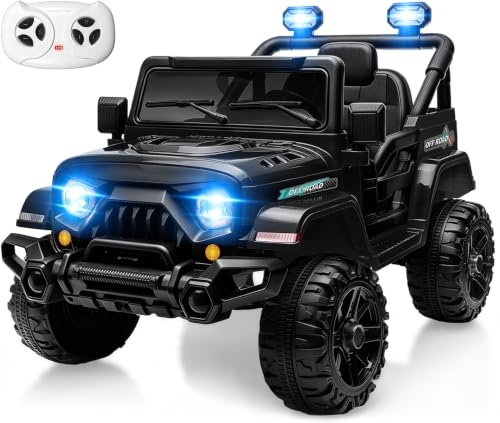
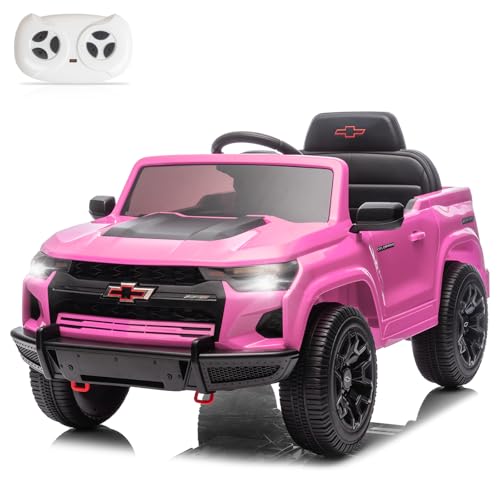
Battery Operated Ride On Car With Remote Control: The Complete Buyer's Guide
Everything you need to know before choosing a remote-control ride on car — safety features, age suitability, battery performance, and the key differences between tiers. Make a confident, informed decision for your child's next big adventure.
Explore Top Picks🧸 Why parents love remote-control ride on cars: A battery operated ride on car with remote control blends the thrill of independent driving with the peace of mind of parental supervision. For toddlers, the remote lets you steer and stop the vehicle before they have the coordination to do it themselves. For older kids, it becomes a fun, confidence-building way to practice spatial awareness and motor control. This guide walks you through every consideration so you can pick the right model for your family.
What Is a Battery Operated Ride On Car With Remote Control?
A battery operated ride on car with remote control is a child-sized electric vehicle powered by a rechargeable battery, equipped with a wireless remote that lets a parent override the child's inputs. The child sits in a bucket seat with a seat belt or harness, while the parent uses a handheld controller to steer, accelerate, and brake from a short distance. When the child is ready, the remote can be set aside and the car driven manually using the pedal and steering wheel.
This dual-mode design makes these vehicles unusually versatile. They serve as a supervised first "driving" experience for toddlers and gradually transition into a genuinely independent toy for preschoolers. If you're comparing this category to simpler options, our guide to ride on vehicles for 5 year olds covers how the manual-only models differ.
Key Features That Matter Most
Not all remote-control ride on cars are built to the same standard. The features below are the ones that most directly affect safety, longevity, and day-to-day enjoyment.
Parental Remote Override
The core feature. A reliable remote should respond instantly and let you take full control at any moment. Look for a controller with clear forward, reverse, left, and right inputs plus an emergency stop.
Soft-Start Acceleration
Gradual acceleration prevents jerky starts that can startle young children. Entry-level models sometimes lack this; mid-range and top-tier models almost always include it.
Safety Harness or Seat Belt
A three-point harness or adjustable seat belt is essential for toddlers. Check that the buckle is easy for an adult to release but not for a child.
Speed Limiting
Many models offer a low-speed mode (often around 2–3 mph) for beginners and a higher mode for experienced drivers. This is one of the most useful features for growing children.
Battery Capacity & Runtime
Entry-level models typically run 45–60 minutes per charge. Mid-range and high-end tier models with larger batteries can exceed 90 minutes. Consider how long your child typically plays.
Durable Construction
Reinforced plastic bodies, sturdy wheels, and weather-resistant finishes extend the life of the vehicle. Heavy-duty models handle uneven driveways and grass far better than lightweight builds.
Realistic Details
Working headlights, engine sounds, and opening doors add play value but are secondary to safety. Prioritize the safety features first, then the fun details.
Easy Assembly & Storage
Most models assemble in under an hour with basic tools. Check the assembled dimensions to ensure it fits your garage or storage space.
Remote Range & Pairing
A reliable remote should hold a stable connection across a typical backyard or driveway. Look for models with a clear pairing indicator and a low-battery warning on the controller.
Age Suitability: Which Child Is Ready?
Most battery operated ride on cars with remote control are designed for children aged roughly 1 to 5 years, but readiness varies widely within that range. The table below maps typical development stages to the right way to use the vehicle.
| Age Range | Typical Use | What to Prioritize |
|---|---|---|
| 12–24 months | Parent fully controls the car via remote; child rides as a passenger | Harness, soft-start, low maximum speed, stable wide base |
| 2–3 years | Child begins steering and pedaling with remote backup | Speed limiting, responsive remote, easy-to-reach pedals |
| 3–5 years | Child drives independently; remote used mainly for safety | Higher top speed, durable wheels, longer battery runtime |
| 5–6 years | Independent driving on smoother surfaces | Larger seat, reinforced chassis, higher weight capacity |
For families with children at different ages, our roundup of electric ride ons for 3 year olds and electric ride ons for 5 year olds offers age-specific recommendations that pair well with this guide.
Entry-Level vs. Mid-Range vs. High-End Tier
The market for battery operated ride on cars with remote control is broadly split into three quality tiers. Understanding what each tier offers helps you match the vehicle to your child's age and your family's usage patterns.
| Tier | Best For | Typical Characteristics |
|---|---|---|
| Entry-Level | First-time riders and short, supervised sessions | Basic remote functions, shorter runtime, lighter construction, simpler suspension. A solid choice for a first ride on car when the child is under 2. |
| Mid-Range | Growing families who want a vehicle that lasts several years | Better suspension and tires, longer runtime, smoother remote response, more realistic details, and often a two-speed mode. |
| High-End Tier | Frequent use on varied terrain and older preschoolers | Reinforced chassis, premium materials, extended battery capacity, advanced remote features, and the highest weight capacity in the category. |
As a general rule, mid-range models usually offer the best balance of durability and features for a typical family, while entry-level models are ideal as a first introduction. High-end tier vehicles make sense when the car will be used daily or shared between siblings. If you're also considering larger vehicles, see our comparison of 24V ride on toys for 5 year olds.
Safety Checklist Before You Buy
Safety should drive every decision. Use this checklist to evaluate any model you're considering.
Must-Have Safety Features
- Working parental remote with immediate override and emergency stop
- Seat belt or three-point harness appropriate for the child's age
- Soft-start acceleration to prevent sudden lurches
- Speed limiter or low-speed mode for beginners
- Sturdy, wide wheelbase for stability on turns
- No sharp edges or pinch points on the body or doors
- Non-toxic materials and a clear age/weight rating on the packaging
- Battery and charger that meet recognized safety certifications
It's also wise to review general toy maintenance habits. Our toy maintenance guide covers battery care, cleaning, and storage practices that keep electric toys running safely for years.
Common Mistakes Parents Make
- Skipping the remote for a young toddler. A child under 2 generally lacks the coordination to steer and stop safely. Always start in remote mode.
- Ignoring the weight limit. Exceeding the manufacturer's weight capacity strains the motor and battery and voids safety assurances.
- Charging overnight unattended. Follow the charging instructions exactly; overcharging shortens battery life and can be a safety risk.
- Riding on sloped or uneven ground too early. Begin on flat, smooth surfaces and only move to grass or inclines once the child is confident.
- Choosing purely on appearance. A flashy design means little if the remote is sluggish or the harness is flimsy. Prioritize function over styling.
- Forgetting storage and weather. Even weather-resistant models last longer when stored under cover. Our guide to toy maintenance explains how to protect electric toys between uses.
How to Choose the Right Model for Your Family
With the features, tiers, and safety checklist in mind, narrow your shortlist using these practical questions:
- How old is the primary rider? Younger children need stronger safety features; older children need more speed and durability.
- Will siblings share it? If so, a mid-range or high-end tier model with adjustable speed and a higher weight capacity is the better long-term investment.
- Where will it be driven? Smooth driveways suit entry-level models; grass and gravel call for better suspension and reinforced wheels.
- How often will it be used? Daily use points toward a high-end tier model with extended battery capacity; occasional use is well served by entry-level or mid-range.
- How much storage space do you have? Check assembled dimensions before ordering.
If your child is closer to the upper end of the age range, our guide to ride on toys for 6-10 year olds explores larger options that go beyond the typical remote-control car format.
Frequently Asked Questions
Ready to Choose the Perfect Ride On Car?
Browse our hand-picked selection of battery operated ride on cars with remote control, organized by tier and age suitability, and find the model that fits your family best.
See Recommended Models