Ride-On Toy Car with Remote Control: The Ultimate Parent's Guide
Everything you need to know before choosing a remote-control ride-on car for your child — from safety features and age suitability to parental controls, motor types, and long-term durability. Make a confident, informed choice for your family.
Why a Remote-Control Ride-On Car Is a Smart Choice
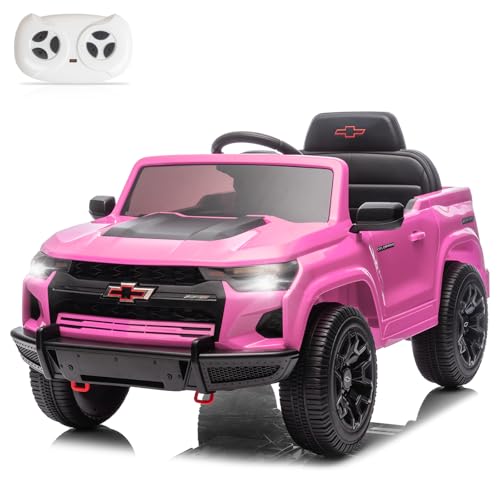
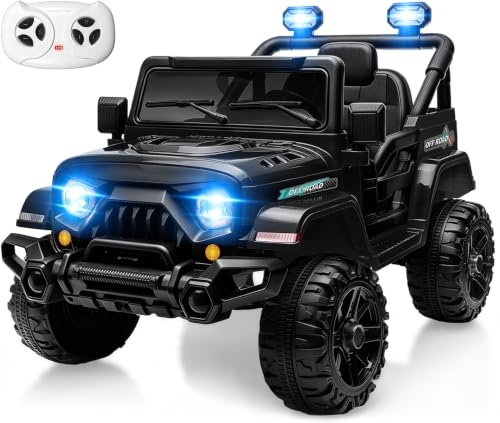
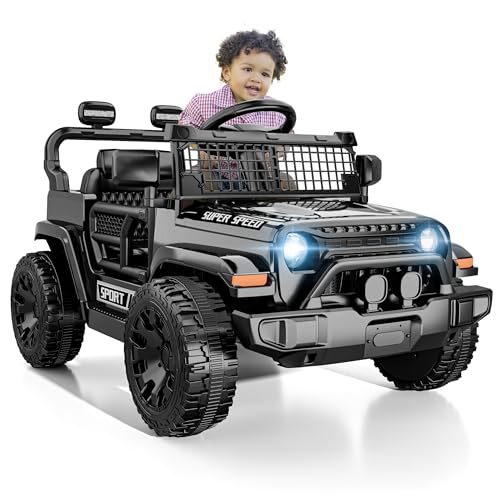
A ride-on toy car with remote control bridges the gap between a child's desire for independence and a parent's need for safety. Unlike traditional ride-on vehicles, these models come with a handheld remote that lets you steer, accelerate, and stop the car at a moment's notice. This dual-control design makes them ideal for younger children who are still developing coordination and spatial awareness.
Parents often start with a fully controlled experience, then gradually hand over more control as the child grows more confident. This progressive approach builds motor skills, responsibility, and confidence — all through the joy of play. Whether you are shopping for a first ride-on or upgrading to a two-seater with parental override, understanding the key features will help you choose a model that fits your family's needs.
For a broader overview of ride-on options, explore our remote control ride-on car guide and the complete ride-on toys collection.
How Remote-Control Ride-On Cars Work
A ride-on toy car with remote control typically operates on a 2.4GHz radio frequency, which offers a reliable connection with minimal interference from other devices. The remote is usually designed with ergonomic controls for forward, reverse, left, and right movements, plus an emergency stop button. When the parent uses the remote, the system overrides the child's pedal and steering inputs — ensuring complete control when needed.
Most models offer two modes: parental control mode (fully operated by the remote) and manual mode (child controls the car using the steering wheel and pedal). Some advanced models feature a speed limiter that caps the maximum speed, making the transition to independent driving safer. Battery life varies by model, but most ride-on cars with remote control run for about one to two hours of continuous use on a full charge.
For families who want more control options, our ride-on car with parental remote control guide covers advanced override systems. If you are considering a vehicle for two children, see the two-seater with remote overview.
Key Features to Evaluate Before Buying
Not all ride-on cars with remote control are created equal. The following features have the biggest impact on safety, usability, and long-term satisfaction:
| Feature | Why It Matters | What to Look For |
|---|---|---|
| Parental Remote System | Allows you to override the child's controls for safety. | 2.4GHz frequency, emergency stop button, range of 30–50 meters. |
| Safety Belt | Keeps the child securely seated, especially on uneven surfaces. | Adjustable three-point or five-point harness. |
| Speed Limiter | Prevents the car from going faster than the child can handle. | Adjustable speed settings, typically 2–5 km/h for younger children. |
| Motor & Battery | Determines performance, run time, and terrain capability. | 12V or 24V systems for longer run times; higher torque for uneven surfaces. |
| Wheel Type | Affects traction and ride comfort on different surfaces. | Treaded rubber or EVA wheels for better grip on grass and pavement. |
| Soft-Start Technology | Prevents sudden jerks that can startle young children. | Smooth acceleration and braking curves. |
| Build Quality | Ensures durability and safety over years of use. | Non-toxic materials, reinforced chassis, enclosed wheels, rust-resistant coating. |
Age and Stage: Choosing the Right Model for Your Child
The best ride-on toy car with remote control depends on your child's age, weight, and developmental stage. Here is a practical breakdown:
1–3 Years: First Ride-On Experience
At this stage, children are still developing balance and coordination. A ride-on car with full parental control is ideal. Look for models with a low seat height, a secure harness, and a top speed limited to around 2–3 km/h. Many parents begin with a ride-on toy for 1-year-olds or a 2-year-old ride-on that prioritizes safety over speed. Features like soft-start and enclosed wheels are especially important.
3–5 Years: Building Confidence
Children in this range are ready for more control. Choose a model with a dual-mode system — parental remote for busy areas and manual mode for supervised independent driving. A ride-on toy for 3-year-olds or a 5-year-old ride-on with adjustable speed settings gives you flexibility as your child grows. Models designed for 3–5 year-olds often include interactive features like music and LED lights.
5–7 Years: Independent Exploration
Older children can handle more powerful models with higher speed settings. At this stage, the remote control becomes a safety backup rather than the primary driving method. Look for models with a 24V battery, larger wheels, and a higher weight capacity. The 5–7 year-old ride-on category includes vehicles that balance performance with safety. A 6-year-old ride-on or a 7-year-old ride-on may feature realistic designs and more responsive steering.
8+ Years: Advanced Riders
While many children outgrow traditional ride-on cars by age 8, some premium models accommodate older children. These often feature higher top speeds, larger seating areas, and more sophisticated control systems. Explore 8-year-old ride-on toys and 8–10 year-old ride-ons if your child is ready for a more advanced vehicle. For two children, a two-seater ride-on for 8–10 year-olds may be the perfect fit.
Safety First: What Every Parent Should Know
Safety is the top priority when choosing a ride-on toy car with remote control. Here are the essential safety considerations:
- Supervision is non-negotiable: Always supervise your child during use, even when the remote control is active.
- Check the weight limit: Exceeding the manufacturer's weight limit can strain the motor and compromise stability.
- Use on appropriate surfaces: Flat, smooth surfaces like driveways and sidewalks are safest. Avoid steep slopes, rough gravel, and water.
- Secure the harness: Always fasten the seat belt before your child gets in.
- Inspect regularly: Check for loose screws, worn tires, and battery damage before each use.
- Follow age recommendations: Age labels are not arbitrary — they reflect developmental readiness and safety testing.
For a deeper look at safety features across different models, compare options in our remote control child's ride-on car guide. If you are considering a replacement battery, see the 12V battery replacement resource.
Maintenance Tips for Long-Term Performance
A ride-on toy car with remote control is an investment in your child's play experience. Proper maintenance extends its lifespan and keeps it safe:
- Battery care: Charge the battery fully before first use and avoid leaving it depleted for long periods. Store the car in a cool, dry place.
- Clean regularly: Wipe down the body with a damp cloth. Avoid spraying water directly on electrical components.
- Check tires: Inspect wheels for wear and tear. Replace worn tires to maintain traction.
- Tighten hardware: Periodically check screws and bolts, especially after heavy use.
- Store properly: Use a cover or store indoors to protect against weather damage.
For more detailed care instructions, see our guide to ride-on toys for 2–3 year-olds, which includes maintenance tips for younger riders.
Explore Related Ride-On Guides
Frequently Asked Questions
At what age can a child use a ride-on toy car with remote control?
Most ride-on toy cars with remote control are designed for children aged 1 to 6 years. Entry-level models are typically suitable for toddlers around 1 to 3 years, while mid-range and premium models often accommodate children up to 5 or 6 years. Always check the manufacturer's age recommendation and weight limit before purchasing.
How does the parental remote control work on a ride-on car?
The parental remote control is a handheld device that overrides the child's controls. It typically allows parents to steer, accelerate, and stop the vehicle. Most systems operate on a 2.4GHz frequency, which provides a reliable connection with minimal interference. The remote usually has a range of 30 to 50 meters.
What should I look for in a safe ride-on toy car?
Key safety features include a secure seat belt, sturdy construction with non-toxic materials, a parental remote control with emergency stop, speed limits appropriate for the child's age, and smooth acceleration and braking. Additionally, look for models with enclosed wheels, soft-start technology, and compliance with safety certifications.
Can a ride-on car with remote control be used on different surfaces?
Yes, most ride-on cars work on flat surfaces like driveways, sidewalks, and short grass. Premium models with larger, treaded wheels and higher-torque motors handle uneven terrain better. Always supervise use and avoid steep slopes, rough gravel, and water.