Ride Ons for 2 Year Olds: The Complete Guide to Safe First Wheels
Your toddler is ready to explore the world on wheels. This guide breaks down the safest, most developmentally appropriate ride-on toys for 2 year olds — from push-handle walkers to first electric cars — so you can choose with confidence.
Explore Top PicksWhy ride-on toys matter at age two: At 24 months, children are developing balance, coordination, and a sense of independence. A well-chosen ride-on toy supports gross motor skills, builds confidence, and introduces the concept of steering and spatial awareness — all through play. This guide focuses on ride-on toys specifically designed for 2 year olds, with safety-first recommendations and clear tier classifications.
What Makes a Ride-On Toy Right for a 2 Year Old?
Two-year-olds are not simply smaller versions of older kids. Their proportions, strength, and coordination are unique, which means ride-on toys must be engineered for their stage. The key characteristics to prioritize are:
- Low seat height and a wide base: A toddler should be able to mount and dismount easily, with both feet able to touch the ground for a sense of security.
- Parent-controlled steering or push handle: Adults should be able to guide the toy, especially in the early months. This is where ride-on cars with remote control become invaluable.
- Three-point harness or deep bucket seat: Prevents tipping and keeps the child secure during movement.
- No pedals (yet): Most 2 year olds cannot coordinate pedaling. Push-handle models or foot-to-floor designs are developmentally appropriate.
- Non-slip footrests and textured wheels: Crucial for stability on smooth and slightly uneven surfaces.
- Rounded, burr-free edges and non-toxic finishes: Toddlers explore with their mouths and hands; safety standards like ASTM F963 and EN71 are non-negotiable.
The Three Tiers of Ride-On Toys for 2 Year Olds
To help you compare options without focusing on price, we classify ride-on toys for this age into three universal tiers. These tiers reflect build quality, feature set, and intended use — not cost.
Essential Push & Scoot
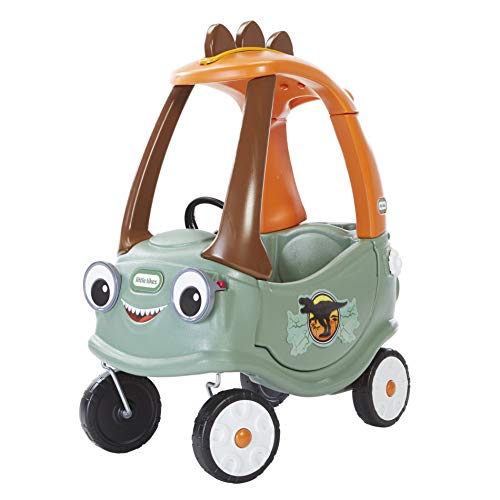
Simple foot-to-floor walkers, scoot-along trikes, and basic push-handle cars. Solid construction, minimal electronics, and a focus on balance and coordination. Best for first-time riders and indoor/patio use.
Feature-Rich Push Riders
Models with parent push handles, steering control, storage bins, and sound effects. Often include a canopy or sunshade. Durable wheels handle sidewalks and driveways. A strong middle ground for daily outdoor use.
Remote-Ready Electric Riders
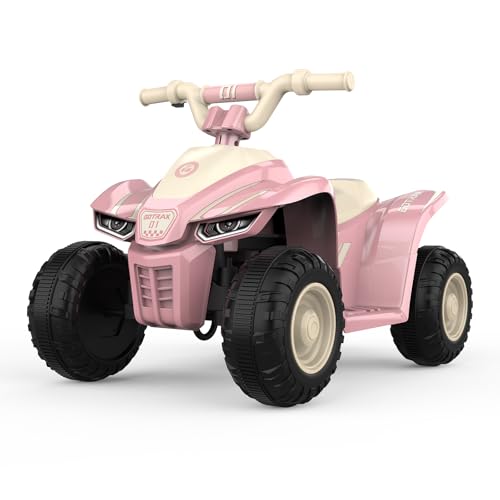
Electric ride-on cars with parental remote control, speed limiters, and premium suspension. Licensed designs and realistic detailing. Designed for supervised outdoor rides on flat surfaces. Long-term investment for growing toddlers.
Top Features to Look For
Beyond the tier, certain features make a meaningful difference in safety and enjoyment for a 2 year old:
- Push handle with adjustable height: Essential for parents of different heights; look for a handle that locks into the steering column.
- Speed limiter or remote override: On electric models, a remote that can stop the toy instantly is a must. Compare options in our parental remote control ride-on guide.
- Steering wheel with a limited turning radius: Prevents sharp, tip-prone turns.
- Wheels with tread and a wide stance: Improves grip and stability on pavement, grass, and gravel.
- Easy-clean seat and removable tray: Toddlers snack and spill; a wipeable surface saves time.
- Storage compartment: A small bin for a favorite toy or snack extends playtime.
Safety Checklist for Parents
Before your child takes their first ride, run through this checklist:
- Age and weight rating: Confirm the toy is rated for 2 year olds and that your child's weight is comfortably within the limit.
- Assembly integrity: Tighten all bolts, check wheel attachments, and ensure the steering column is secure.
- Harness fit: Adjust the three-point harness so it fits snugly over the shoulders and lap.
- Surface check: Use ride-ons on flat, smooth surfaces away from stairs, pools, and traffic.
- Supervision: Always supervise, even with remote-controlled models. Keep the remote in your hand, not the child's.
- Helmet: For electric models and faster push toys, a properly fitted toddler helmet is strongly recommended.
For a broader look at age-appropriate options across the toddler years, explore our ride-on toys for 2-3 year olds collection. If you're considering a step up in size or power, the ride-on toys for 3 year olds guide covers the next developmental stage.
Push Handle vs. Electric: Which Is Better at Age Two?
This is the most common question parents ask. The answer depends on your child's temperament and your intended use:
- Choose a push-handle rider if: Your child is still building balance, you want indoor and outdoor versatility, and you prefer a lightweight toy that's easy to store. These are the workhorses of the starter and balanced tiers.
- Choose a remote-controlled electric rider if: You have a safe, flat outdoor area (driveway, patio, park path), your child is comfortable sitting for longer periods, and you want a toy that will grow with them for 2–3 years. Electric models with parental remote control are the safest entry point.
- Consider a ride-along toy if: You want a hybrid experience — a toy the child can ride while you push, with interactive elements. See our ride-along toys for 2 year olds guide for options.
Many families start with a push-handle trike or car and add a remote-controlled electric model closer to age 2.5 or 3. For a side-by-side comparison of electric options, our ride-on toys hub organizes models by age, feature set, and tier.
Maintenance and Longevity Tips
A ride-on toy is an investment in your child's development. To keep it safe and functional:
- Wipe down the frame and seat after outdoor use, especially after puddles or mud.
- Check bolts and wheel nuts monthly; toddlers are surprisingly hard on moving parts.
- Store electric models indoors or under a cover to protect the battery and electronics.
- Recharge electric batteries according to the manufacturer's schedule, even during off-seasons.
- Inspect wheels for wear and replace textured tires if grip diminishes.
If you're planning ahead, our ride-on toys for 3-5 year olds guide shows how the category evolves as coordination improves. And for families with multiple children, the two-seater ride-on with remote options offer shared play.
Recommended Ride-Ons for 2 Year Olds
Below is a curated selection of ride-on toys suited to the 2-year-old stage. Each pick is evaluated on safety features, developmental appropriateness, and build quality — using our three-tier classification.