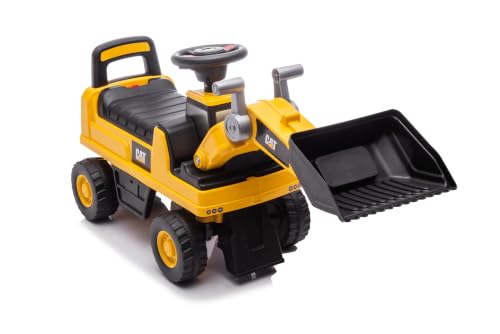
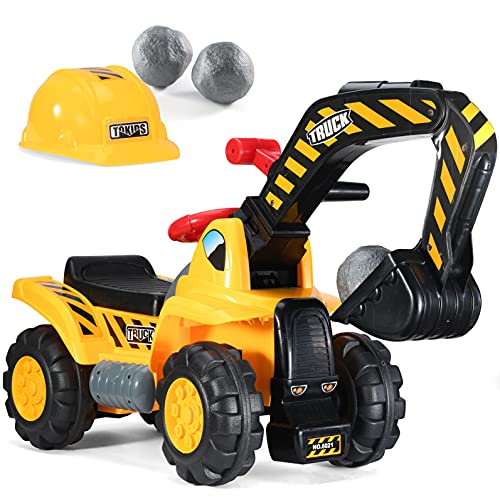
Ride Along Toys for 2 Year Olds: The Complete Parent's Guide
Choosing the first ride-on toy for a two-year-old is exciting — and a little overwhelming. This guide breaks down the safest, most developmentally appropriate options, from foot-to-floor cruisers to parent-controlled electric models, so you can pick with confidence.
Explore Top PicksAt two years old, toddlers are building balance, coordination, and a fierce sense of independence. A ride along toy channels that energy into purposeful play while strengthening gross motor skills. The right model grows with your child and keeps safety front and center. Below, we walk through the key categories, what to look for, and how to match a ride-on to your toddler's personality and your family's routine.
Types of Ride Along Toys for 2 Year Olds
Not all ride-ons are built the same. Understanding the main categories helps you match a toy to your child's motor skills and your comfort level as a parent.
Foot-to-Floor Cruisers
The simplest and most developmentally aligned option. Toddlers propel themselves with their feet, building leg strength and balance. No motor, no battery, no charging — just pure active play. Ideal as a first ride-on.
Push-Style Ride-Ons with Parent Handle
A hybrid design where the toddler sits and steers while an adult pushes via a handle. Great for neighborhood walks and for toddlers who aren't ready to self-propel. Many models convert to foot-to-floor use as the child grows.
Balance Bikes & Scoot-Alongs
Low-slung, foot-powered rides that introduce the concept of balancing and steering. These bridge the gap between ride-ons and pedal bikes and are excellent for building confidence before a proper balance bike.
Parent-Controlled Electric Ride-Ons
Battery-powered vehicles with a parental remote control and speed limiter. These are the most feature-rich option for two-year-olds, but they should always be used with adult supervision and on safe, flat surfaces.
What to Look For in a Ride Along Toy for a 2 Year Old
Use this checklist to evaluate any model before you commit. These factors matter more than flashy features.
- Low seat height: Your toddler's feet should comfortably reach the floor (for foot-to-floor models) or the footrests (for push-style and electric models).
- Wide wheelbase: A wider base reduces tipping risk and gives new riders more confidence.
- Parental control: For any motorized model, a remote control with a speed limiter is non-negotiable for a two-year-old.
- Rounded edges and enclosed wheels: Look for smooth, burr-free surfaces and wheels that are covered or fully enclosed to protect little fingers and toes.
- Safety harness: A 3-point harness or a deep bucket seat keeps a wiggly toddler securely in place.
- Durable construction: Heavy-duty plastic or reinforced metal frames hold up to enthusiastic toddler use.
- Easy assembly and storage: A model that's simple to put together and compact enough to store will see far more use.
- Age and weight compliance: Always match the manufacturer's stated age range and weight limit to your child.
Ride-On Types Compared
Here's a quick-reference comparison to help you narrow down the right category for your two-year-old.
| Tier | Best For | Parental Control | Skill Focus |
|---|---|---|---|
| Essential Tier | First ride-on, indoor and flat outdoor surfaces | None needed | Balance, leg strength, steering |
| Balanced Tier | Neighborhood walks, toddlers not yet self-propelling | Push handle | Steering, sitting balance, observation |
| Mid-Tier | Confident toddlers ready to scoot and glide | None | Balance, coordination, confidence |
| Premium Tier | Families wanting a feature-rich, long-lasting ride | Remote control with speed limiter | Steering, spatial awareness, listening skills |
Safety First: A Parent's Checklist
Ride-on toys are among the most rewarding toddler purchases, but they demand a thoughtful safety setup. Keep these guidelines in mind.
- Supervise at all times. A two-year-old should never use a ride-on unsupervised, even in a fenced yard.
- Choose flat, smooth surfaces. Avoid slopes, gravel, stairs, driveways, and areas near water.
- Use protective gear. A properly fitted helmet is recommended for balance bikes and any wheeled ride-on that moves faster than a walk.
- Check the harness and seat. Ensure the harness is snug and the seat is secure before each ride.
- Inspect regularly. Tighten bolts, check wheels, and look for cracks or loose parts every few weeks.
- Respect weight limits. Exceeding the manufacturer's weight limit compromises stability and safety.
Related Guides for Toddler Ride-Ons
Still weighing your options? These companion guides cover adjacent categories and age ranges that can help you plan ahead.
- Ride-On Toys for 2 Year Olds: Broader Selection Guide
- Ride-On Toys for 2-3 Year Olds: Growth-Friendly Picks
- Ride-Ons for 2 Year Olds: Compact and Lightweight Options
- Ride-On Trucks for 2 Year Olds
- Ride-On Toys for 1 Year Olds: Earlier Stage Guide
- Ride-On Toys for 3 Year Olds: Next-Step Recommendations
- Ride-On Cars with Parental Remote Control
- Ride-On Toys: The Complete Hub
Frequently Asked Questions
What is the safest ride along toy for a 2 year old?
The safest options are low-to-the-ground push-style ride-ons with a wide wheelbase, a parent handle, and no motorized components. Look for models with rounded edges and a 3-point harness for extra security.
Should a 2 year old use a motorized ride-on?
Motorized ride-ons can be suitable for some 2 year olds, but they should always include a parental remote control and a speed limiter. Push-style or foot-to-floor models are generally recommended as a first step.
How do I choose the right ride-on size for a toddler?
Choose a model where your child's feet can comfortably reach the floor or footrests, and where the seat height allows them to get on and off independently. Always check the manufacturer's age and weight guidelines.
Can a 2 year old use a balance bike?
Yes — many 2 year olds can start on a low balance bike, but they should always wear a helmet and be supervised. Foot-to-floor ride-ons are often a better first step before transitioning to a balance bike.