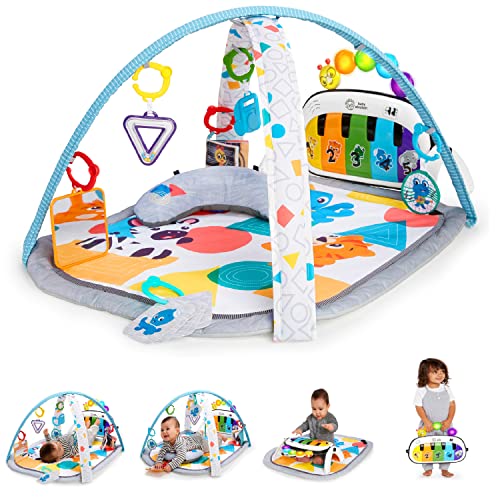
Activity Gym for Baby: The Ultimate Guide to Developmental Play
An activity gym is more than just a playmat—it's a developmental powerhouse. From tummy time to sensory exploration, the right baby gym supports motor skills, cognitive growth, and visual development. This guide covers everything you need to know to choose the perfect activity gym for your little one.
Boosts Development
Encourages reaching, grasping, and visual tracking.
Tummy Time Ready
Supports essential tummy time for neck and shoulder strength.
Sensory Stimulation
High-contrast patterns, textures, and sounds engage baby's senses.
Safe Materials
Non-toxic, BPA-free, and soft padding for worry-free play.
What to Look for in a Baby Activity Gym
Choosing the right activity gym can feel overwhelming with so many options. Here are the key factors to consider:
Types of Activity Gyms
| Type | Best For | Key Features | Price Range |
|---|---|---|---|
| Classic Play Mat | Newborns to 3 months | Soft padded mat, overhead toys, high-contrast patterns | $40–$80 |
| Gym with Arches | 3 to 6 months | Removable arches, multiple hanging toys, mirror, tummy time support | $50–$100 |
| Activity Gym with Piano | 3 to 12 months | Piano mat, lights and sounds, detachable toys, encourages kicking | $70–$130 |
| Wooden Activity Gym | Newborn to 12 months | Eco-friendly, minimal design, hanging toys, often heirloom quality | $80–$150 |
Why Every Baby Needs an Activity Gym
Activity gyms are one of the best investments you can make for your baby's early development. They provide a safe, stimulating environment for your baby to explore, learn, and grow. Here are some of the key benefits:
- Promotes Tummy Time: Regular tummy time strengthens neck, shoulder, and arm muscles, which are essential for crawling and rolling. Many activity gyms are designed specifically to make tummy time more enjoyable.
- Enhances Sensory Development: The variety of textures, colors, sounds, and patterns stimulate your baby's senses and help build neural connections.
- Encourages Motor Skills: Reaching for hanging toys, grasping, and batting at objects develop fine and gross motor skills. For more ideas on supporting motor development, check out our sensory toys guide.
- Supports Cognitive Growth: Cause-and-effect relationships (e.g., "I kick the piano and it makes a sound") and visual tracking are key cognitive milestones.
- Provides Independent Play: A safe, engaging space allows you to take a short break while your baby explores on their own. Pair it with other developmental tools like a tummy time mirror for added engagement.
How to Use an Activity Gym Effectively
To get the most out of your activity gym, follow these tips:
- Start Early: Introduce the gym from birth. In the early weeks, use it for sensory gazing and tummy time for short periods.
- Rotate Toys: Keep the experience fresh by rotating hanging toys or changing their position. This prevents boredom and encourages new skills.
- Engage Together: Get down on the mat with your baby. Point to toys, make sounds, and encourage reaching. Your interaction boosts the learning experience.
- Combine with Tummy Time: Place your baby on their tummy on the mat and position interesting toys in front of them. This makes tummy time more enjoyable. For more tummy time ideas, visit our tummy time activities page.
- Use All Features: If your gym has a piano, rattles, or crinkle paper, make sure to use all the features to provide varied stimulation.
Safety & Maintenance Tips
Safety First: Always supervise your baby during play. Check the gym regularly for loose parts, frayed edges, or any damage. Ensure the mat is placed on a flat, stable surface away from stairs or furniture. Always follow the manufacturer's age and weight guidelines.
Cleaning: Most activity gyms have removable, machine-washable mats. For toys, use a mild soap and water solution. Avoid harsh chemicals. Always air-dry thoroughly before use.
For more information on baby toy safety, read our Toy Safety Guide.
Frequently Asked Questions
At what age can a baby start using an activity gym?
Most activity gyms are suitable from birth. However, in the first month, babies are mostly interested in high-contrast patterns. From 2–3 months, they become more engaged with hanging toys.
How long should a baby use an activity gym?
You can start with short sessions of 5–10 minutes and gradually increase as your baby grows. By 6–12 months, many babies enjoy 20–30 minutes of active play on the gym.
Can an activity gym help with tummy time?
Absolutely! Many gyms are designed with tummy time in mind. The mats are soft and supportive, and the hanging toys encourage your baby to lift their head and reach forward. For additional support, consider a tummy time pillow.
Are activity gyms safe for newborns?
Yes, as long as you choose a gym with age-appropriate features. For newborns, ensure the toys are lightweight, have no small parts, and are securely attached. Always supervise.
You May Also Like
Explore more baby development resources:
Ready to Find the Perfect Activity Gym?
Browse our top-rated picks below and give your baby the gift of playful learning.