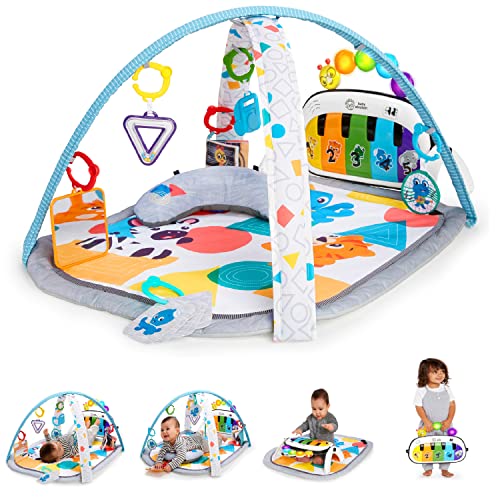
Tummy Time Activities for Babies
Expert-backed tummy time guide to strengthen your baby's neck, back, and core muscles. Discover fun activities, milestone tracking, and the best toys to make tummy time a joyful daily routine.
What Is Tummy Time and Why Is It Important?
Tummy time is the practice of placing your baby on their stomach while they are awake and supervised. This simple but vital activity helps strengthen the neck, shoulder, and core muscles that babies need for rolling over, sitting up, and eventually crawling. The American Academy of Pediatrics (AAP) recommends starting tummy time from the very first day you bring your baby home from the hospital.
Beyond physical development, tummy time offers sensory stimulation and cognitive benefits. It gives babies a different perspective of their environment and encourages them to lift their heads, track objects with their eyes, and interact with their surroundings. Regular tummy time sessions are one of the most impactful developmentally appropriate activities for a 3-month-old and continue to be crucial as they grow.
🧸 Pro Tip: Start with short sessions of 1–2 minutes, 2–3 times a day. Gradually increase to 15–20 minutes total per day by the time your baby is 3 months old. Always supervise tummy time and never put your baby to sleep on their stomach.
Tummy Time Milestones by Age
Every baby develops at their own pace, but here are typical tummy time milestones you can expect. If you have concerns about your baby's development, consult your pediatrician.
Head Lifts Briefly
Lifts head slightly for a few seconds. May turn head side to side.
45-Degree Lift
Lifts head 45 degrees. Begins pushing up with arms briefly.
90-Degree Lift
Lifts head 90 degrees. Pushes up onto forearms. Reaches for objects.
Pushes Up & Rocks
Pushes up onto hands. Rocks back and forth, preparing to crawl.
For newborns and young infants, incorporating high-contrast toys for babies can capture their attention and encourage them to lift their head. As your baby grows, you can add more interactive elements to keep tummy time engaging and fun.
6 Fun Tummy Time Activities to Try
Keep tummy time fresh and exciting with these engaging activities. Rotate them to target different skills and prevent boredom.
1. Mirror Play
Place an unbreakable baby-safe mirror in front of your baby during tummy time. Babies are naturally drawn to faces and reflections. Seeing their own reflection encourages them to lift their head and hold it up longer. This is an excellent way to introduce sensory toys for babies into your routine.
2. High-Contrast Toys
Use black and white or brightly colored toys placed just out of reach to encourage your baby to lift their head and track objects. High-contrast patterns are especially stimulating for developing vision. You can also place a tummy time mirror for baby directly in front of them for added engagement.
3. Tummy Time on Your Chest
Lie on your back and place your baby on your chest, facing you. This position is a gentle introduction to tummy time and allows for face-to-face interaction. Talk, sing, or make funny faces to keep your baby engaged.
4. Roll a Ball
Gently roll a soft, colorful ball in front of your baby. The moving object will encourage them to lift their head, follow it with their eyes, and eventually reach for it. This activity builds hand-eye coordination.
5. Use a Tummy Time Pillow
A specially designed tummy time pillow for baby provides gentle support and makes lifting their head easier. Place the pillow under your baby's chest and arms to give them a slightly elevated position that is comfortable and encouraging.
6. Sensory Play Mat
Place your baby on an activity mat with different textures, crinkle toys, and dangling elements. This multi-sensory experience encourages exploration and keeps them engaged for longer periods. An activity gym for baby is a great investment that grows with your child.
Expert Tips for a Successful Tummy Time
Start Gradually
Begin with short 1–2 minute sessions, 2–3 times daily. Increase duration as your baby gets stronger and more comfortable.
Make It Enjoyable
Sing songs, talk to your baby, and get down on the floor with them. Your presence and engagement make tummy time a positive experience.
Try Different Positions
Change locations, use different surfaces, and vary whether you're using a pillow, mat, or simply the floor to keep things interesting.
Follow a Schedule
Incorporate tummy time after diaper changes or naps. A predictable routine helps establish tummy time as a regular part of your day.
Use Engaging Toys
Rotate a variety of toys to maintain interest. Include high-contrast toys, mirrors, rattles, and soft sensory items.
Stay Close and Supervise
Never leave your baby unattended during tummy time. Stay within arm's reach to provide comfort and ensure safety.
Safety Guidelines for Tummy Time
While tummy time is generally safe and beneficial, follow these important safety guidelines:
- Always supervise your baby during tummy time. Never leave them alone.
- Place your baby on a firm, flat surface such as a play mat on the floor. Avoid soft surfaces like beds or couches where they could suffocate.
- Keep your baby awake during tummy time. Never put your baby to sleep on their stomach.
- Use safe toys that are age-appropriate and free from small parts that could become choking hazards. Opt for non-toxic toys for babies to ensure safety during mouthing and exploration.
- Watch for signs of fatigue or frustration. If your baby becomes upset, take a break and try again later.
- Consult your pediatrician if you have concerns about your baby's development or if tummy time consistently causes distress.
Best Toys to Enhance Tummy Time
The right toys can transform tummy time from a chore into a favorite activity. Here are some of the most effective toys to support your baby's development during tummy time:
🔹 Tummy Time Mirrors
Babies love faces! A tummy time mirror encourages head lifting and self-discovery. Choose a baby-safe mirror with a sturdy stand.
🔹 High-Contrast Books & Cards
Black and white patterns are visually stimulating for newborns. Prop them up where your baby can see them during tummy time.
🔹 Sensory Balls
Soft, textured balls with bright colors are perfect for tummy time. Roll them gently in front of your baby to encourage reaching and tracking.
🔹 Activity Mats with Dangling Toys
Activity gyms with overhead toys provide a multi-sensory experience that encourages your baby to look up, reach, and grab. Many mats also include sensory toys for 4-month-old babies to explore textures and sounds.
🎯 Ready to Start Tummy Time?
Discover the best tummy time toys and accessories to support your baby's development. Shop our curated collection below.
Shop Tummy Time Toys NowFrequently Asked Questions About Tummy Time
How early should I start tummy time?
You can start tummy time from the first day your baby comes home from the hospital. Begin with very short sessions (1–2 minutes) when your baby is alert and awake.
How long should tummy time be at 2 months?
By 2 months, aim for 15–20 minutes total per day, broken into short sessions of 3–5 minutes each. Follow your baby's cues and gradually increase time.
What if my baby hates tummy time?
It's common for babies to dislike tummy time initially. Try shorter sessions, use engaging toys like a tummy time mirror, get down on the floor with them, and try tummy time on your chest. Consistency and patience are key.
When should I use a tummy time pillow?
A tummy time pillow can be used from birth to provide gentle support and make tummy time more comfortable. It helps your baby lift their head more easily and is especially helpful for newborns who are building strength.