High Contrast Toys for Babies: Boost Visual Development
Discover the perfect high contrast toys for your baby's developing eyes. From black-and-white patterns to colorful stimulation, find expert-recommended toys that support early visual milestones and sensory growth.
Shop Top-Rated High Contrast Toys →🧠 Why High Contrast Toys Matter: In the first few months, a baby's vision is still maturing. High-contrast patterns—especially black, white, and bold primary colors—are easier for newborns to focus on. These toys help stimulate the development of the optic nerve and encourage visual tracking, which are crucial for later skills like reading and hand-eye coordination.
Key Benefits of High Contrast Toys
👁️ Visual Stimulation
Bold patterns and contrasting colors capture your baby's attention, helping to strengthen the connections between the eyes and the brain.
🧩 Cognitive Development
As babies focus on different shapes and patterns, they begin to recognize differences and similarities, laying the foundation for early learning.
🧘 Calming & Focus
Simple, high-contrast designs can be less overstimulating than complex, multicolored toys, offering a soothing experience during tummy time or quiet play.
🤝 Social Interaction
These toys encourage face-to-face play. As you show the toy to your baby, they learn to track your face and movements, building social skills.
Top Picks for High Contrast Toys
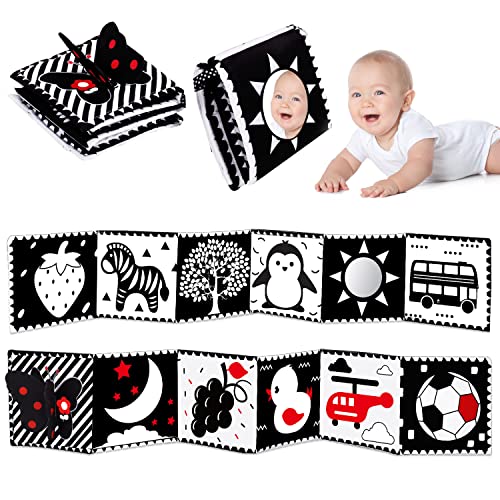
When choosing high contrast toys, look for those that offer a range of patterns—from simple stripes and checks to more complex geometric designs. Many parents also find that toys with built-in mirrors or crinkle textures add extra sensory appeal. For the earliest stage, consider tummy time mirrors that combine high-contrast patterns with self-discovery. As your baby grows, you can introduce more interactive options like sensory toys that include different textures and sounds alongside visual elements.
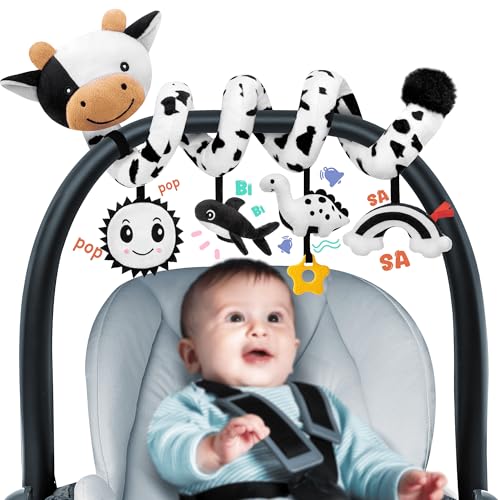
High contrast toys aren't just for newborns; they remain beneficial as your baby approaches the 4-6 month mark when color vision becomes more refined. At this stage, you can start blending high-contrast patterns with bright primary colors. For babies who are beginning to reach and grab, toys with attached rings or dangling elements, like those found in activity gyms, encourage hand-eye coordination and fine motor skills.
Safety is paramount, so always choose toys made from non-toxic materials. Many high contrast toys are made from BPA-free plastic, soft fabric, or natural wood with child-safe paints. This ensures that even if your baby mouths the toy, it remains safe. Additionally, always follow age recommendations on the packaging to avoid choking hazards.
How to Use High Contrast Toys Effectively
- Start Early: Introduce high contrast toys from birth. Newborns can see patterns at a distance of 8-12 inches, so hold the toy at that range.
- Rotate Regularly: To keep your baby engaged, rotate different patterns and toys every few days. This prevents boredom and encourages continued interest.
- Incorporate into Tummy Time: Place high contrast toys at eye level during tummy time to encourage your baby to lift their head and strengthen neck muscles.
- Follow Their Gaze: Slowly move the toy from side to side or up and down to help your baby practice tracking objects with their eyes.
- Pair with Sounds: Choose toys that also make gentle crinkle sounds or soft rattles to provide multi-sensory stimulation.
Frequently Asked Questions
When should I start using high contrast toys with my baby?
You can start from the very first week! A newborn's vision is most sensitive to high contrast patterns, especially black and white. These toys are perfect for the first three months of life.
Are high contrast toys only for newborns?
No. While they are most critical in the first few months, many babies continue to enjoy high contrast patterns well into their first year. They are also excellent for visual tracking and cognitive development in older infants.
What colors are best for high contrast toys?
Black and white are the most effective for newborns. As their color vision develops (around 4-6 months), you can introduce toys with bold primary colors like red, yellow, and blue, which also stand out well against contrasting backgrounds.
How many high contrast toys does a baby need?
You don't need many. A few well-chosen toys—like a high contrast mobile, a soft book, and a couple of pattern cards or a toy with a mirror—are often enough to provide excellent stimulation.