Age-Appropriate Toys for 12-18 Months: A Complete Developmental Guide
Your toddler is on the move! Discover the toys that support walking, talking, and exploring during this incredible developmental window. Expert guidance on choosing safe, engaging toys that nurture growth.
Explore Recommended Toys🧸 Why 12-18 Months Is a Critical Window: Between their first birthday and 18 months, toddlers transform from wobbly standers into confident walkers. Their vocabulary blossoms, their curiosity explodes, and they begin to understand cause and effect. The right toys during this period can support motor development, language acquisition, and cognitive skills—all through the power of play.
Developmental Milestones at 12-18 Months
Understanding what your toddler is learning helps you choose toys that match their abilities and challenge them just enough. Here are the key areas of growth during this stage:
🏃 Gross Motor Skills
- Walking independently with increasing confidence
- Stopping and squatting to pick up objects
- Climbing onto low furniture
- Pushing and pulling toys while walking
- Beginning to run with a stiff gait
✋ Fine Motor Skills
- Picking up small objects with thumb and forefinger
- Stacking two to three blocks
- Turning pages of a board book
- Putting objects into containers and dumping them out
- Beginning to use a spoon and cup
🧠 Cognitive Development
- Understanding cause and effect (push a button, hear a sound)
- Imitating simple actions
- Finding hidden objects
- Exploring objects in different ways (banging, shaking, throwing)
- Beginning pretend play (feeding a doll)
🗣️ Language & Social Skills
- Saying first words and babbling in "sentences"
- Following simple one-step directions
- Pointing to things they want
- Showing preference for familiar people and toys
- Waving goodbye and understanding "no"
Types of Toys That Support This Stage
The best toys for 12-18 month olds are open-ended, safe, and designed to support multiple areas of development. Here are the categories that provide the most value:
Stacking & Nesting Toys
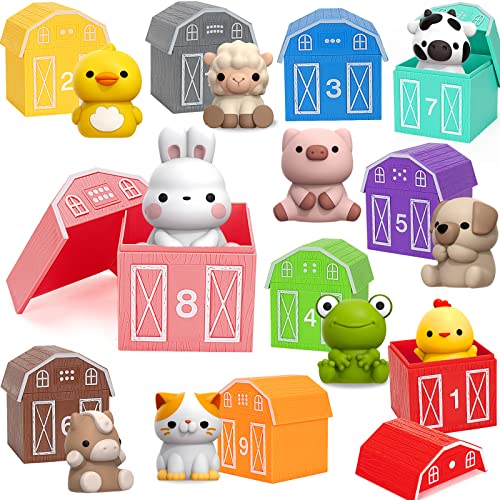
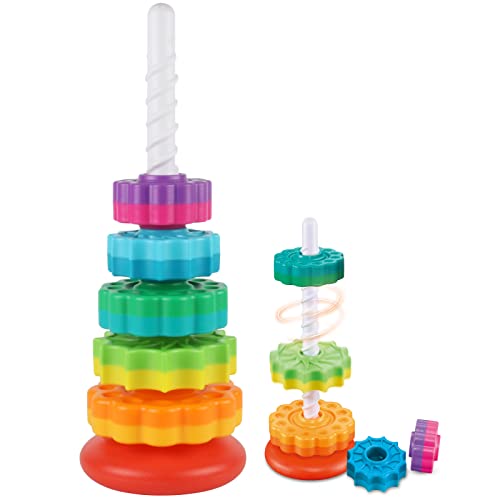
Classic stacking rings and nesting cups teach size relationships, hand-eye coordination, and problem-solving. They are simple, durable, and endlessly fascinating for toddlers who love to build up and knock down.
What to look for: Smooth edges, non-toxic paint, and a variety of sizes that are easy for small hands to grasp.
Push & Pull Toys
Push toys with wheels, handles, and interactive elements encourage walking and provide stability. Pull toys add a delightful element of cause and effect as toddlers watch the toy follow behind them.
What to look for: Sturdy construction, smooth-rolling wheels, and a handle at the right height for your toddler.
Simple Shape Sorters
Shape sorters introduce geometry and problem-solving in a hands-on way. Start with single-hole sorters and graduate to multi-shape versions as your toddler masters the mechanics.
What to look for: Rounded edges, large pieces that are easy to grip, and a sturdy base that won't tip easily.
Board Books
Board books build vocabulary, introduce concepts, and foster a love of reading. Lift-the-flap and touch-and-feel books add interactive elements that keep toddlers engaged.
What to look for: Thick, durable pages, bright colors, and simple, relatable images.
Large Building Blocks
Soft blocks, mega-blocks, and large wooden blocks allow toddlers to build without frustration. These toys develop spatial awareness, creativity, and fine motor control.
What to look for: Blocks that are too large to be a choking hazard, lightweight enough to stack, and have smooth edges.
Musical Instruments
Toddlers love to make noise! Simple instruments like shakers, drums, and xylophones introduce rhythm, cause and effect, and auditory discrimination.
What to look for: Instruments sized for small hands, with gentle sounds that won't overwhelm sensitive ears.
Pretend Play Toys
Simple pretend play items like play phones, toy keys, and soft dolls encourage imitation, language development, and social-emotional growth.
What to look for: Lightweight, easy-to-clean materials, and realistic details that spark imagination.
Ball & Rolling Toys
Balls of various sizes, rolling cylinders, and toys that move on their own encourage crawling, chasing, and gross motor activity. They also teach tracking and prediction.
What to look for: Soft or lightweight balls that won't damage furniture, and toys that roll smoothly on carpet and hard floors.
Safety First: What Every Parent Should Know
⚠️ Essential Toy Safety Checklist for 12-18 Months
- Age-appropriate labeling: Always check that toys are labeled for 12 months and up. This ensures they meet safety standards for this age group.
- Choking hazard awareness: Avoid toys with small parts, loose buttons, or removable pieces that could fit through a toilet paper tube.
- No sharp edges or points: Inspect toys for rough edges, splinters, or protruding wires.
- Non-toxic materials: Choose toys made from BPA-free plastic, non-toxic paints, and natural materials like untreated wood.
- No long strings or cords: Avoid toys with strings longer than 12 inches to prevent strangulation risks.
- Sturdy construction: Toddlers are rough on toys—choose items that can withstand throwing, banging, and dropping.
- Small batteries: Ensure battery compartments are securely screwed shut and cannot be opened by small hands.
- Regular inspection: Check toys frequently for damage and remove any broken items immediately.
How to Choose the Right Toys for Your Toddler
With so many options available, selecting toys can feel overwhelming. Focus on these guiding principles to make thoughtful choices:
- Follow your child's lead: Observe what your toddler is naturally drawn to and choose toys that build on their interests.
- Less is more: A few well-chosen, open-ended toys are more valuable than a mountain of single-purpose items. Consider a toy rotation system to keep things fresh.
- Prioritize interaction: Toys that require active participation—building, sorting, pretending—are more beneficial than passive entertainment.
- Think durability: Invest in toys that will last through the toddler years and can be passed down or donated in good condition.
- Involve your child: When possible, let your toddler explore toys before you commit. Watch for signs of engagement and frustration.
- Check age recommendations: While guidelines are not absolute, they provide a helpful starting point for safety and developmental appropriateness.
Creative Play Ideas for 12-18 Month Olds
🎈 Simple Play, Big Impact: You don't need elaborate setups to engage your toddler. Here are some easy, low-prep play ideas that support development:
- Stack and knock down: Use blocks or stacking cups to build towers together, then knock them down with glee. This teaches cause and effect and fine motor control.
- Fill and dump: Provide a container and a collection of safe objects (large pom-poms, blocks, scarves) for your toddler to fill and dump repeatedly.
- Obstacle course: Create a simple path with pillows and cushions for crawling, climbing, and walking practice.
- Music time: Put on music and dance together, or provide simple instruments for your toddler to shake, bang, and explore.
- Storytime: Read board books together, pointing to pictures and naming objects. Let your toddler turn the pages.
- Water play: During bath time or with a shallow bin, let your toddler pour, splash, and explore with cups and safe water toys.
Explore More Age-Specific Toy Guides
Looking for guidance on other developmental stages? Our comprehensive guides cover every age and stage:
- Age-Appropriate Toys for 9-12 Months — Supporting crawling, standing, and early exploration.
- Age-Appropriate Toys for 18-24 Months — Encouraging language, pretend play, and independence.
- Toys for 1-2 Year Olds — A broad guide covering the entire toddler period.
- Age-Appropriate Toys: The Complete Guide — Our master guide to choosing toys for every age.
- Best Toys: Expert Picks — Top-rated toys across all categories.
- Best Learning Toys — Educational toys that make playtime productive.
Frequently Asked Questions
🎯 Ready to Find the Perfect Toys? Explore our expertly curated selection of age-appropriate toys for 12-18 month olds. Each recommendation is chosen for safety, developmental value, and—most importantly—fun!
View Recommended Toys