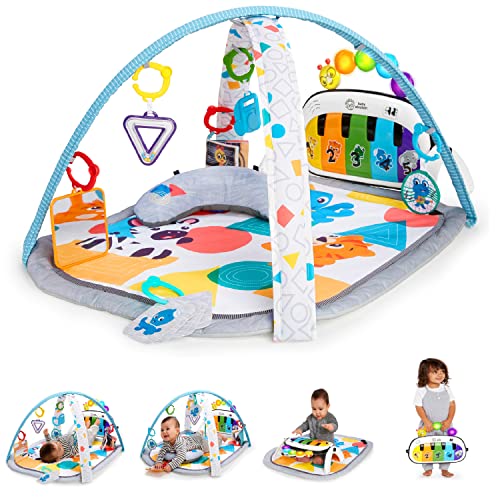
🧸 The Ultimate Newborn Play Mat Guide
Choosing the right play mat is one of the most important decisions for your baby's early development. From sensory stimulation to tummy time safety, a high-quality newborn play mat supports motor skills, cognitive growth, and bonding moments. This comprehensive guide covers everything you need to know — from benefits and types to safety tips and top recommendations.
Explore Top Play Mats →Why Your Newborn Needs a Play Mat
👶 Tummy Time Support
Play mats provide a soft, clean surface for essential tummy time, which strengthens neck, shoulder, and arm muscles necessary for crawling.
🧠 Sensory Development
Bright colors, varied textures, and attached toys stimulate your baby's visual, tactile, and auditory senses, promoting brain development.
🛡️ Safe Play Space
A dedicated play mat creates a hygienic, cushioned area that protects your baby from hard floors while containing playtime in a clean zone.
🤝 Bonding & Interaction
Play mats invite parent-baby interaction through songs, stories, and gentle play, strengthening emotional connection and language skills.
Types of Newborn Play Mats
There are several types of play mats available, each with unique features to suit different needs and preferences. Understanding the differences can help you choose the best option for your baby.
What to Look For in a Newborn Play Mat
When choosing the best newborn play mat, consider these essential features to ensure safety, durability, and developmental benefits.
- Safety Standards: Look for mats that meet ASTM or EN71 safety standards. Ensure they are free from BPA, phthalates, and lead.
- Thickness & Cushioning: A thickness of at least 0.5 inches (1.3 cm) provides adequate protection against falls and hard floors.
- Ease of Cleaning: Choose a mat with a waterproof, wipeable surface or a removable machine-washable cover.
- Non-Toxic Materials: Opt for mats made from food-grade silicone, natural rubber, or organic cotton to avoid harmful chemicals.
- Engaging Features: Consider mats with toys, mirrors, textures, or crinkly fabrics that encourage sensory exploration.
- Size & Portability: Ensure the mat fits your available space while being large enough for your baby to roll and stretch.
💡 Pro Tip: The Mirror Effect
Many play mats include a small baby-safe mirror. Mirrors are fascinating for newborns and help develop self-awareness, visual tracking, and social engagement. If your chosen mat doesn't have one, you can easily add a shatterproof mirror to the play area.
Newborn Play Mat Safety Guide
While play mats are generally safe, following these guidelines will maximize your baby's well-being during playtime.
- Always Supervise: Never leave your newborn unattended on a play mat, especially on raised surfaces or near edges.
- Clean Regularly: Wipe down the mat after each use with a mild, baby-safe cleanser to prevent bacteria growth.
- Check for Wear: Inspect the mat for tears, loose parts, or choking hazards, and replace if damaged.
- Age-Appropriate Use: While play mats are designed for newborns, some gyms have weight limits. Always check the manufacturer's recommendations.
- Place on a Stable Surface: Use the mat on a flat, stable floor. Avoid placing it on furniture or elevated surfaces.
How Play Mats Support Milestones
A well-chosen newborn play mat does more than just entertain. It actively supports key developmental milestones during the first year. Here’s how:
- 0–3 Months: Visual tracking of hanging toys and black-and-white patterns stimulates early vision.
- 3–6 Months: Reaching and grasping activities on the mat develop hand-eye coordination and fine motor skills.
- 6–9 Months: Rolling and sitting practice on a cushioned surface builds core strength and balance.
- 9–12 Months: Crawling and interactive play with attached toys encourage spatial awareness and problem-solving.
Frequently Asked Questions
When should I start using a play mat for my newborn?
You can start using a play mat from birth for tummy time and sensory stimulation. Early exposure helps with visual tracking and motor development.
How long can my baby stay on a play mat?
Start with short sessions of 3–5 minutes several times a day. As your baby grows, you can gradually increase tummy time to 15–20 minutes per session.
Can I wash a play mat in the washing machine?
Check the manufacturer's care instructions. Many mats have removable covers that are machine-washable, while others require wipe-down cleaning only.
Are play mats safe for newborns with allergies?
Hypoallergenic options are available, including mats made from organic cotton or natural rubber. Avoid mats with latex if your baby has a latex allergy.
🔗 Explore More: For additional baby essentials, check out our guides on baby play gym, teething toys, sensory play toys, and baby play mat for more ways to support your baby's growth.
Ready to choose the perfect play mat?
Explore our handpicked selection of high-quality newborn play mats that combine safety, durability, and developmental benefits.
Shop Top-Rated Play Mats