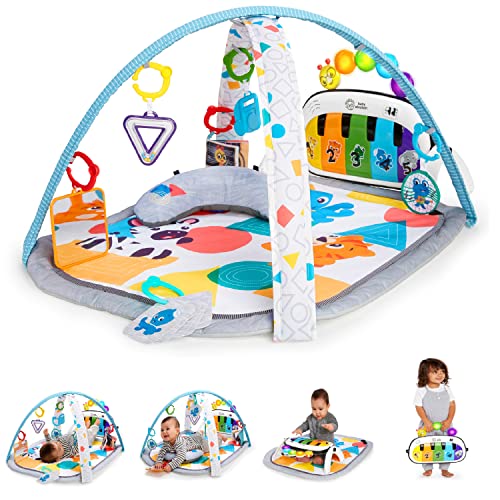
Baby Play Gym: The Ultimate Guide to Choosing the Perfect Activity Gym
Your complete resource for understanding baby play gyms. Learn about developmental benefits, key features, safety considerations, and how to select the ideal activity gym for your little one's stage of growth.
Explore the Buying Guide🧸 Why a Baby Play Gym Matters: A baby play gym is more than just a mat with toys hanging above it. It's a foundational tool for early development, offering a safe, stimulating environment where newborns and infants can explore, strengthen muscles, and develop sensory and motor skills. The right play gym grows with your baby—from early visual tracking to reaching, grasping, and eventually tummy time and sitting practice.
What Is a Baby Play Gym?
A baby play gym—sometimes called an activity gym or infant play gym—is a padded mat with arched supports from which sensory toys, rattles, mirrors, and teethers are suspended. It creates a dedicated, engaging play space that encourages babies to look, reach, kick, and eventually roll over and sit up. Unlike simple baby play mats that offer only a surface, play gyms add the vertical dimension of overhead toys, which is crucial for visual tracking and hand-eye coordination in the first months of life.
Most models are portable and foldable, making them convenient for use in living rooms, nurseries, or even when traveling. Many come with removable arches and toys, allowing the gym to transition into a simple play mat as your baby grows—extending its useful life well beyond the newborn stage.
Developmental Benefits of Baby Play Gyms
Pediatricians and child development specialists frequently recommend play gyms because they support multiple areas of growth simultaneously. Here's how:
Visual Development
High-contrast toys and dangling elements encourage babies to track objects with their eyes, building visual acuity and focus—a critical skill in the first three months.
Gross Motor Skills
Kicking at toys and reaching for dangling objects strengthens leg and arm muscles, preparing babies for rolling, crawling, and eventually walking.
Fine Motor Skills
Grasping rattles, rings, and textured toys helps refine the pincer grasp and hand-eye coordination that babies will later use for feeding and drawing.
Sensory Exploration
Textures, sounds, mirrors, and contrasting colors stimulate the senses, supporting cognitive development and curiosity about the world.
Tummy Time Support
Many play gyms include tummy-time pillows or encouraging toys that make floor time more enjoyable and effective for building neck and shoulder strength.
Independent Play
A safe, enclosed play space fosters self-soothing and independent exploration, giving parents a moment to recharge while baby plays contentedly.
Key Features to Look For in a Baby Play Gym
Not all play gyms are created equal. When evaluating options, consider these essential features:
1. Mat Quality and Padding
The mat should be thick enough to cushion your baby during tummy time and early rolling attempts. Look for a mat with a non-slip bottom and a soft, easy-to-clean surface. Many parents prefer reversible mats with different textures—one side plush for newborns, the other smooth for older babies.
2. Arch Adjustability
Adjustable arches allow you to lower the toys as your baby's reaching skills develop, then raise them again as she grows. Some premium models offer arches that can be repositioned for tummy time or removed entirely.
3. Toy Variety and Attachment
Look for a mix of toys: rattles, crinkle fabric, mirrors (especially baby-safe ones), teethers, and textured balls. Ensure toys attach securely with sturdy links or clips—loose parts pose a choking hazard. Toys should be easy to remove for cleaning or swapping.
4. Portability and Storage
If you plan to move the gym between rooms or take it on trips, look for a lightweight, foldable design. Some models collapse flat for easy storage under a bed or in a closet.
5. Safety Certifications
Always check for safety certifications and ensure the product meets current safety standards. Avoid gyms with small detachable parts that could break off, sharp edges, or loose strings longer than 7 inches (which pose a strangulation risk).
6. Ease of Cleaning
Babies spit up, drool, and make messes—often. A machine-washable mat and wipeable toys are practical must-haves. Some mats are even dryer-safe, which is a significant convenience.
Baby Play Gym Comparison by Tier
When comparing play gyms, it helps to understand how features scale across market tiers. Below is a breakdown of what to expect at each level:
| Tier | Mat & Padding | Toy Variety | Adjustability | Portability | Best For |
|---|---|---|---|---|---|
| Entry-Level | Basic padded mat, often polyester | 3–5 simple toys (rattles, rings) | Fixed arches | Lightweight, simple fold | New parents seeking a straightforward, functional gym |
| Mid-Range | Thicker mat with textured surfaces, some machine-washable | 6–10 toys including mirror, crinkle, teether | Adjustable or removable arches | Foldable with carry handle | Families wanting versatility and developmental variety |
| Premium | Plush, reversible mat with organic cotton options | 10+ toys, often themed or musical | Multi-position arches, tummy-time pillow included | Compact fold, travel-friendly | Parents seeking a long-lasting, feature-rich gym |
| Luxury | High-end materials, designer prints, extra-thick padding | Curated toy set, often with wooden or organic elements | Fully modular arches and toy placement | Premium travel bag included | Those looking for a statement piece that doubles as nursery décor |
Buying Guide: How to Choose the Right Baby Play Gym
With so many options on the market, narrowing down your choice can feel overwhelming. Follow this step-by-step approach to find the perfect gym for your family:
Step 1: Consider Your Baby's Age and Stage
Newborns (0–3 months) benefit most from high-contrast toys and simple visual tracking. Babies aged 3–6 months need reachable toys that encourage grasping and kicking. For babies approaching 6–9 months, look for gyms that convert into a play mat or include sitting-support features. If you're exploring options for older babies, our guide to age-appropriate toys for 9–12 months can help you plan the next stage.
Step 2: Assess Your Space
Measure the area where the gym will live. Larger gyms with expansive mats are great for dedicated playrooms, while compact, foldable designs suit apartments and smaller living spaces. If you're short on floor space, consider a gym that folds flat or doubles as a storage piece.
Step 3: Evaluate Toy Safety and Attachment
Check that all toys are securely attached and free of small parts that could detach. Avoid toys with long strings or cords. The mat should have a non-slip base to prevent sliding on hardwood or tile floors.
Step 4: Think About Longevity
A play gym that converts into a mat, or one with removable arches, will serve your family longer. Some parents prefer to invest in a mid-range or premium gym that lasts through multiple children, while others prefer an entry-level option for a single baby. Both approaches are valid—the key is matching the features to your needs.
Step 5: Read Reviews and Check Certifications
Look for play gyms from reputable brands with transparent safety records. Read parent reviews to understand real-world durability, ease of cleaning, and how well the gym holds up over time. For broader context on baby toys, explore our baby toys collection.
💡 Ready to explore top-rated play gyms? Our curated selection features options across every tier.
View Recommended Play GymsBaby Play Gym Safety Tips
Safety is paramount when it comes to infant products. Follow these guidelines to ensure a safe play environment:
- Always supervise: Never leave your baby unattended on a play gym, even for a moment.
- Check for recalls: Regularly check manufacturer websites and safety recall databases for any product updates.
- Inspect regularly: Check toys and attachments for wear, loose threads, or broken parts before each use.
- Use on a flat surface: Place the gym on a firm, flat floor—never on elevated surfaces like beds or sofas.
- Follow age recommendations: Respect the manufacturer's age guidelines, especially regarding when to remove overhead arches as your baby begins to push up.
- Avoid loose bedding: Keep blankets, pillows, and soft items away from the play area to reduce suffocation risk.
For a comprehensive overview of toy safety, see our toy safety guide.
Frequently Asked Questions About Baby Play Gyms
Most baby play gyms are designed for newborns up to around 6 to 9 months, or until your baby begins to sit up and crawl. Many models offer adjustable arches and removable toys to extend their usefulness as your baby grows.
Most play gym mats are machine washable or can be wiped clean with a damp cloth. Always check the manufacturer's care instructions. Removable toys can often be hand-washed or surface-cleaned with baby-safe cleaners.
Yes, when used correctly and according to the manufacturer's age recommendations. Always place the gym on a flat, stable surface, supervise your baby during play, and ensure all toys are securely attached and free of choking hazards.
Baby play gyms support visual tracking, auditory development, gross motor skills like reaching and kicking, fine motor skills through grasping, and sensory exploration. They also encourage tummy time, which is essential for building neck and shoulder strength.
Exploring Further
A play gym is often just the beginning of a child's toy journey. As your baby grows, you'll naturally start exploring other categories. For newborns and young infants, you might also consider an activity gym for baby with added sensory features. When your little one starts sitting and playing more actively, a baby play mat offers a comfortable, safe surface for independent play. And as you plan ahead, our guides on age-appropriate toys for a 2-month-old and toys for 12–18 months can help you stay one step ahead of your child's developmental milestones.
For a broader view of the toy landscape, explore the full baby toys collection or browse our best toys guide for curated recommendations across all ages.