Water Play Toys: The Complete Guide to Splash-Filled Fun
From bath time to backyard adventures, water play toys support sensory development, motor skills, and endless joy. Discover how to choose the right ones for your child.
Explore Water ToysWhy Water Play Toys Are a Smart Choice for Kids
Water play is one of the most natural and beneficial forms of childhood activity. Long before structured toys existed, children were drawn to puddles, streams, and buckets of water. Today, water play toys channel that instinct into safe, engaging, and developmentally rich experiences. Whether it is a simple bath toy, a backyard water table, or a full outdoor splash set, these toys offer benefits that extend far beyond simple entertainment.
This guide is written for parents, grandparents, and caregivers who are researching water play toys before making a purchase. You likely already know you want something fun and safe. What you need now is a clear understanding of the categories, benefits, safety considerations, and quality tiers — so you can choose with confidence. For a broader look at outdoor options, see our guide to outdoor play toys for 2 year olds and fun summer toys for 10 year olds.
💧 Quick Insight: Water play toys are not just for summer. Bath toys, water tables, and sensory water bins can be used year-round to support development, calm sensory needs, and encourage independent play.
The Developmental Benefits of Water Play Toys
Water play toys are among the most versatile developmental tools available. Here is what they support:
🧠 Cognitive Development
Water play introduces concepts like volume, gravity, and cause-and-effect. Pouring, splashing, and observing how water moves builds early scientific thinking.
✋ Fine Motor Skills
Squeezing, pouring, and manipulating small water toys strengthens hand and finger muscles essential for writing and self-care later on.
🤸 Gross Motor Skills
Outdoor water toys like sprinklers, water slides, and splash pads encourage running, jumping, and coordinated movement.
🗣️ Language Development
Water play invites rich vocabulary — "splash," "pour," "float," "sink." Caregivers can narrate play to boost language skills.
😌 Sensory Regulation
The tactile sensation of water is calming and organizing for many children. Water play can be especially helpful for sensory-seeking or sensory-sensitive kids.
🤝 Social Skills
Shared water play encourages turn-taking, cooperation, and collaborative problem-solving when children play together.
These benefits make water play toys a worthwhile addition to any toy collection. For related sensory ideas, see our guide to sensory table ideas for 3 year olds and sensory play ideas for 6 month old.
Types of Water Play Toys
Water play toys span a wide range of categories. Understanding the differences helps you choose the right fit for your child's age, interests, and setting.
1. Bath Toys
Bath toys are designed for use in the tub or shower. They are typically smaller, easy to clean, and made from materials that tolerate moisture and frequent washing. Common examples include squirting animals, floating boats, stacking cups, and bath books. Bath toys are a great introduction to water play for babies and toddlers. Look for toys that drain fully to prevent mold and mildew growth.
2. Water Tables and Sensory Bins
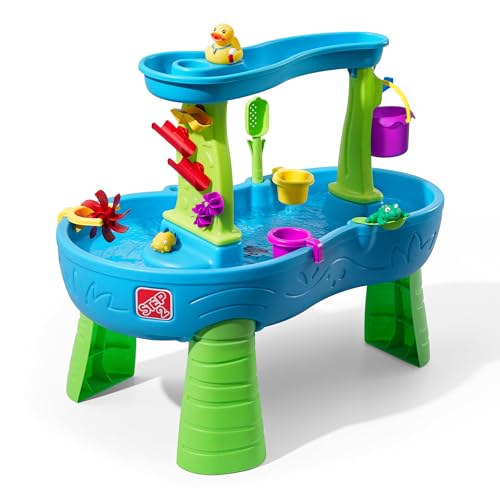
Water tables are elevated play stations that hold water and often include accessories like scoops, funnels, and floating toys. They are ideal for toddlers and preschoolers and offer a focused, contained water play experience. Sensory bins can be adapted for water play as well, especially indoors with shallow water and close supervision.
3. Outdoor Water Toys
Outdoor water toys include sprinklers, water slides, splash pads, water blasters, and inflatable pools. These are designed for active outdoor play and are best suited for children who are comfortable with water and can follow safety rules. For specific outdoor suggestions, see our guides to outdoor water toys for 10 year olds and outdoor water toys for 7 year olds.
4. Pool and Beach Toys
Pool and beach toys include dive rings, floating loungers, sand-and-water play sets, and water-safe balls. These are designed to be durable in chlorinated or salt water and are usually compact enough to pack for travel. They are excellent for family vacations and pool days.
5. Educational Water Toys
Some water toys are specifically designed to teach concepts like volume, buoyancy, and flow. Water pipes, water wheels, and measuring cups fall into this category. These are especially valuable for curious children who enjoy figuring out how things work.
6. Water Toys for Pulling Behind a Boat
For families who spend time on the water, towable water toys offer high-energy fun for older children and teens. These are specialized items and require adult supervision and appropriate safety gear. Our guide to water toys to pull behind a boat covers this category in more detail.
Quality Tiers: Understanding Water Toy Positioning
Water play toys vary widely in quality. To help you compare options clearly, we use a consistent tier system that describes relative market positioning without relying on specific numbers. This framework helps you choose the level of durability and design that matches your needs.
| Tier | Best For | Key Characteristics |
|---|---|---|
| Entry-level | Casual use, party favors, testing interest | Basic materials, simple construction, lightweight. Good for short-term or occasional use. |
| Mid-range | Regular family use, first water tables | Durable construction, safer finishes, more engaging features. A solid choice for its class with good longevity for seasonal use. |
| Premium | Frequent use, larger families, long-term play | High-grade materials, reinforced seams, thoughtful design. Noticeably more durable and built to last through multiple seasons. |
| Top-tier / Luxury | Serious water play enthusiasts, heirloom-quality sets | Exceptional craftsmanship, premium materials, often designed for years of use. A worthwhile investment for families who prioritize quality. |
In general, mid-range toys offer the best balance for most families. Premium and top-tier options are worthwhile when you want a toy that will endure heavy use or be passed down. Entry-level options are fine for occasional play or for testing whether a child enjoys a particular type of water toy.
Water Play Safety: Essential Guidelines
Water play is fun, but safety must always come first. Follow these guidelines to keep water play safe and enjoyable:
- Always supervise: Never leave children unattended around water, even shallow water. Drowning can happen in seconds and in very small amounts of water.
- Use age-appropriate toys: Follow the age recommendation on the packaging. Small parts can pose choking hazards for young children.
- Check water temperature: Use comfortable, lukewarm water for bath and sensory play. Avoid overly hot or cold water.
- Prevent mold and mildew: Choose toys that drain fully and clean them regularly. Squeeze out excess water and allow toys to air dry completely.
- Protect against slips: Use non-slip mats around water tables and in the bath. Wipe up spills promptly.
- Sun protection outdoors: Use sunscreen, hats, and shade during outdoor water play. Avoid peak sun hours.
- Check for damage: Inspect water toys regularly for cracks, tears, or loose parts. Replace damaged toys promptly.
- Use life jackets where appropriate: For pool, beach, or boat use, follow all local safety regulations and use appropriate flotation devices.
For a broader look at toy safety, see our toy safety guide and our article on toy maintenance.
How to Choose the Right Water Play Toy
With so many options available, it helps to approach the decision systematically. Consider the following factors:
- Age and developmental stage: Babies and toddlers need simple, safe bath toys. Preschoolers enjoy water tables and pouring toys. School-age children are ready for more active outdoor water play.
- Setting: Will the toy be used in the bath, at a water table, in the backyard, or at a pool or beach? Each setting has different requirements for durability and size.
- Storage and cleanup: Consider how easily the toy can be stored, drained, and cleaned. Toys that trap water can develop mold if not properly maintained.
- Durability: Look for reinforced seams, high-quality materials, and construction designed for repeated exposure to water.
- Safety features: Check for non-toxic materials, smooth edges, and age-appropriate design. Avoid toys with small detachable parts for young children.
- Engagement and longevity: Open-ended toys that can be used in multiple ways tend to hold attention longer and offer better long-term value.
For more ideas on outdoor play, see our guides to fun outdoor toys for 1 year olds and fun outdoor toys for 3 year olds.
Keeping Water Play Toys Clean and Safe
Water toys require regular cleaning to prevent mold, mildew, and bacteria growth. Here are practical maintenance tips:
- Drain and dry after every use: Squeeze out water from squirt toys and allow all toys to air dry completely before storing.
- Clean regularly: Wash toys with mild soap and warm water, then rinse thoroughly. For deeper cleaning, a diluted vinegar solution can help remove mildew.
- Inspect for mold: Check inside squirt toys and any hollow parts. If mold is present and cannot be removed, replace the toy.
- Store properly: Store water toys in a dry, well-ventilated area. Avoid leaving them in damp bins or bags.
- Replace worn toys: Cracked or torn water toys can harbor bacteria and pose safety risks. Replace them as needed.
Our toy maintenance guide offers more detailed advice on caring for all types of toys.
Frequently Asked Questions About Water Play Toys
What are the best water play toys for toddlers?
For toddlers, bath toys, simple water tables, and stacking cups are excellent choices. Look for large, easy-to-grasp pieces and toys that drain fully to prevent mold. Always supervise water play closely. Our outdoor play toys for 2 year olds guide offers more toddler-friendly options.
Are water play toys educational?
Yes. Water play supports cognitive development, fine and gross motor skills, language, and sensory regulation. Toys that encourage pouring, measuring, and observing cause-and-effect are especially valuable. For related ideas, see our sensory table ideas for 3 year olds.
How do I prevent mold in water toys?
Drain and dry toys completely after every use. Choose toys that can be fully drained, and clean them regularly with mild soap and warm water. For squirt toys, squeeze out all water and allow to air dry. Replace toys if mold cannot be removed. See our toy maintenance guide for more details.
What outdoor water toys are best for older kids?
Older children enjoy sprinklers, water blasters, water slides, and pool toys. For specific ideas, see our guides to outdoor water toys for 10 year olds and outdoor water toys for 7 year olds. Always ensure appropriate supervision and safety gear.
Can water play toys be used indoors?
Yes, with precautions. Small water bins or shallow trays can be used indoors for sensory play, but always supervise closely and protect surfaces from spills. Bath toys are also a great indoor option. For more indoor sensory ideas, see our sensory play ideas for 6 month old.
Ready to bring splash-filled fun to your home? Explore our recommended water play toys below.
See Recommended Water Toys