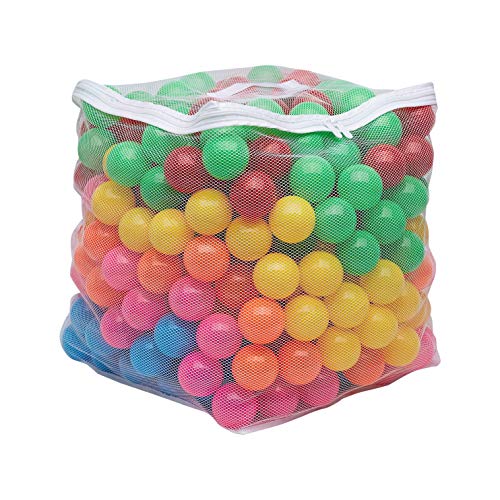
Ball Pit Balls: The Ultimate Guide to Safe, Joyful Play
Everything you need to know before choosing ball pit balls — materials, safety standards, sizing, fill quantities, and maintenance tips — so you can create a play space that is both thrilling and secure for your little ones.
Explore Recommended Options🎈 Why Ball Pit Balls Matter: Ball pits deliver more than just giggles. They support sensory development, encourage gross motor skills like reaching and crawling, and provide a safe outlet for active play. But not all balls are created equal. From material composition to size and durability, the choices you make directly affect safety and longevity. This guide walks you through the essential factors so you can buy with confidence.
What to Look for in Quality Ball Pit Balls
Material Matters: Safety First
The best ball pit balls are made from low-density polyethylene (LDPE) or polypropylene (PP). These materials are known for being lightweight yet sturdy, and they are free from harmful chemicals such as BPA and phthalates. Premium-tier balls often use thicker walls that resist crushing, even after enthusiastic play sessions. Avoid balls with a strong chemical odor or those that feel flimsy — these are signs of lower-grade manufacturing. For families who prioritize eco-conscious choices, look for balls marketed as non-toxic and recyclable. You can find more guidance on safe materials in our toy materials and safety guide.
Size and Age Appropriateness
Ball diameter is a critical safety consideration. For toddlers and preschoolers, balls around 2.5 to 3 inches (6.5–7.5 cm) strike a good balance — large enough to minimize choking hazards, yet small enough for small hands to grasp and toss. For babies who can sit up, choose balls of at least 3 inches in diameter and always supervise closely. For older kids and teens, smaller balls (around 2 inches) can work well, but they should still meet safety standards. Always check the age recommendation on the packaging and cross-reference with our toys by age guide.
Durability and Construction
Look for balls with uniform wall thickness and a smooth, burr-free finish. This prevents sharp edges that could scratch delicate skin. High-end-tier balls often undergo crush-resistance testing and maintain their shape even after being stepped on. Entry-level options may deform more easily, so they are best suited for light, supervised use. If you plan to use the ball pit outdoors or in a high-traffic playroom, investing in a more durable tier pays off over time.
Comparing Ball Pit Ball Tiers
To help you navigate the market, we have categorized ball pit balls into three broad tiers based on construction quality, material purity, and longevity. Use this as a reference point rather than a strict rule — always prioritize safety certifications.
Entry-Level Tier
These balls are a solid starting point for occasional use. They typically use standard LDPE with moderate wall thickness. They are well-specified for light play and supervised settings. Expect them to show wear sooner if used daily, but they remain a practical choice for families testing out a ball pit for the first time.
Essential TierMid-Range Tier
A balanced tier that offers improved durability and a more polished finish. These balls often feature consistent wall thickness, better colorfastness, and a smoother surface. They hold up well to regular play and are a smart long-term investment for families with active toddlers. Many parents find this tier to be the sweet spot for everyday fun.
Balanced TierPremium Tier
The top-tier option for those who want maximum durability and peace of mind. These balls are often crush-resistant, made from high-grade materials, and rigorously tested for safety. They maintain their shape and vibrant color even after extended use. Ideal for playrooms, daycare settings, or families who value a long-term investment in quality play equipment.
High-End TierHow Many Ball Pit Balls Do You Need?
One of the most common questions is simply: how many balls will fill my pit? The answer depends on the pit's dimensions and how deep you want the play experience to be. As a general guideline, aim to fill the pit to about one-third of its total depth — this provides enough cushion for safe jumping and rolling without overwhelming the space.
- Small pit (approx. 1 meter / 3 feet wide): 100–200 balls
- Medium pit (approx. 1.5 meters / 5 feet wide): 300–400 balls
- Large pit (approx. 2 meters / 6.5 feet wide or more): 500+ balls
These numbers are estimates. Always check the manufacturer's fill recommendations for your specific ball pit. For a more detailed breakdown of play equipment sizing, you might find our guide on toys and play gear by category helpful when planning your setup.
Safety Guidelines for Ball Pit Play
Keeping Your Ball Pit Balls Clean and Fresh
Simple Cleaning Routine
Ball pit balls are easy to maintain when you establish a simple routine. For a quick refresh, place the balls in a mesh laundry bag and rinse them with warm water and a few drops of mild dish soap. Shake off excess water and spread them out on a towel to air dry completely. For a deeper clean, wipe each ball with a diluted white vinegar solution (one part vinegar to three parts water), then dry with a clean cloth. Avoid harsh chemical cleaners, as residue can irritate sensitive skin. If you are cleaning plush or fabric toys alongside the balls, our guide on cleaning plush toys offers complementary advice.
Storage and Longevity
When not in use, store balls in a dry, ventilated container. Avoid leaving them in direct sunlight for extended periods, as UV exposure can degrade the plastic over time. With proper care, a premium-tier set of ball pit balls can last for years, making them a worthwhile investment for growing families.
Creative Play Ideas with Ball Pit Balls
Ball pits are just the beginning. Here are a few imaginative ways to extend the fun:
- Color Sorting Games: Encourage toddlers to sort balls by color into separate bins — a playful way to build cognitive skills.
- Obstacle Courses: Combine balls with soft cushions and tunnels for an indoor obstacle course that burns energy.
- Sensory Bins: Use a handful of balls in a shallow bin alongside scoops and containers for a compact sensory experience.
- Counting Challenges: Ask older kids to count how many balls they can toss into a target — math meets movement.
For more indoor activity inspiration, explore our indoor play ideas collection.
Frequently Asked Questions
How many ball pit balls do I need to fill a ball pit?
What size ball pit balls are best for toddlers?
Are ball pit balls safe for babies?
How do I clean ball pit balls?
What materials are used in high-quality ball pit balls?
Ready to Create a Safe and Joyful Play Space?
Now that you understand the key factors — materials, sizing, safety, and maintenance — you are well-equipped to choose the right ball pit balls for your family. Browse our recommended selection below and take the next step toward hours of active, imaginative play.
View Recommended Ball Pit Balls