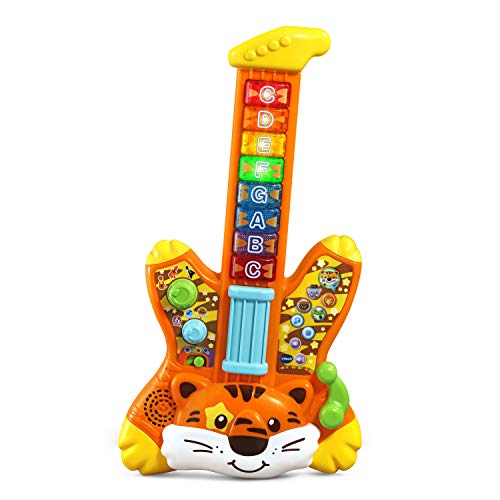
🎵 Musical Toys: Spark a Lifelong Love for Music
From baby's first rattle to a child's first piano, musical toys are more than just fun—they're powerful tools for brain development, coordination, and emotional expression. Explore our expert guide to the best musical instruments and sound toys for every age.
🔊 Why Musical Toys Matter: Music is a universal language that captivates children from the very beginning. Musical toys help develop auditory processing, fine and gross motor skills, and even mathematical thinking. Whether it's a simple rattle or a sophisticated musical puzzle, the right toy can open a world of exploration. This guide helps you choose instruments and sound toys that are age-appropriate, safe, and genuinely engaging for your child's developmental stage.
Why Musical Toys Are Essential for Child Development
🧠 Brain Development
Musical toys stimulate multiple areas of the brain simultaneously, enhancing memory, attention span, and even language skills through rhythm and pattern recognition.
🤲 Motor Skills
Grasping a rattle, hitting a drum, or pressing piano keys all improve hand-eye coordination and fine motor control. Toys like shape sorters with sound add an extra layer of learning.
😊 Emotional Expression
Music is a healthy outlet for emotions. Musical toys allow children to express joy, excitement, or calmness, fostering emotional intelligence and self-regulation.
🔗 Bonding & Social Play
Playing with musical toys together—like musical board games or puppet sets with songs—builds social skills and strengthens parent-child connections through shared fun.
Best Musical Toys by Age Group
Choosing the right musical toy for your child's age and developmental stage makes all the difference. Here's our age-by-age guide to the best instruments and sound toys.
👶 Babies (0-18 months)
- Rattles & Shakers – Auditory exploration and grasping
- Tummy Time Music Toys – Encourage neck strength with sounds
- Musical Activity Mirrors – Combining visual and auditory stimulation
- Musical Soft Blocks – Safe, colorful, and sound-making
- Light-up Musical Toys – Visual and auditory engagement
🧒 Toddlers (18 months - 3 years)
- Musical Activity Cubes – Multi-sensory play stations
- Musical Push & Pull Toys – Movement with sound
- Musical Baby Books – Reading with sound effects
- Sensory Bins with Sound – Explore different sounds
- Xylophones & Glockenspiels – First introduction to pitch
🧑 Preschoolers (3-5 years)
- Musical Building Sets – Create instruments from blocks
- Pretend Play Instruments – Microphones, guitars, drums
- Musical Memory Games – Learn patterns and sequences
- Music Learning Kits – Introduces basic music theory
- Interactive Music Players – Follow along with songs
👦 School Age (6+ years)
- Music Science Kits – Explore sound waves and acoustics
- Real Instruments for Beginners – Recorders, keyboards, ukuleles
- Musical Board Games – Family game night with rhythm
- Musical Drones – Tech meets music
- Classic Musical Instruments – Harmonicas, tambourines, bells
Expert Tips for Choosing Musical Toys
🎯 What to Look For
Safety First: Choose toys with rounded edges, non-toxic materials, and age-appropriate size. Avoid small parts for children under 3. Sound Quality: While it doesn't need to be concert-grade, a pleasant tone encourages engagement. Interactive Features: Toys that light up or respond to touch add an extra layer of sensory stimulation. Versatility: Look for toys that can grow with your child, like a keyboard with different sound modes or a drum that can be played with hands or mallets.
Frequently Asked Questions About Musical Toys
At what age should I introduce musical toys?
You can introduce musical toys from birth! Simple rattles and soft sound toys are great for newborns. As they grow, you can introduce more complex instruments. The key is choosing toys that match their developmental stage.
Are musical toys too noisy for sensitive children?
Many musical toys come with volume control or have a gentle sound. For sensitive children, start with toys that produce softer sounds, like wooden instruments or quiet musical books. Always supervise and observe your child's comfort level.
Can musical toys help with my child's speech development?
Yes! Rhythm and melody are closely linked to language acquisition. Musical toys encourage vocalization, listening skills, and pattern recognition—all foundational for speech and reading. Look for toys that incorporate songs or spoken words.
What are the best musical toys for a 2-year-old?
For 2-year-olds, look for toys that are sturdy, easy to hold, and make a rewarding sound. Activity cubes with musical elements, simple drums, xylophones, and musical push toys are all excellent choices. They promote fine motor skills and cause-and-effect understanding.
How do I clean and maintain musical toys?
Check the manufacturer's instructions. Most plastic toys can be wiped with a damp cloth. Electronic toys should be kept dry. For wooden toys, use a dry cloth. Regular maintenance ensures longevity and safety. For more detailed guidance, visit our Toy Maintenance Guide.