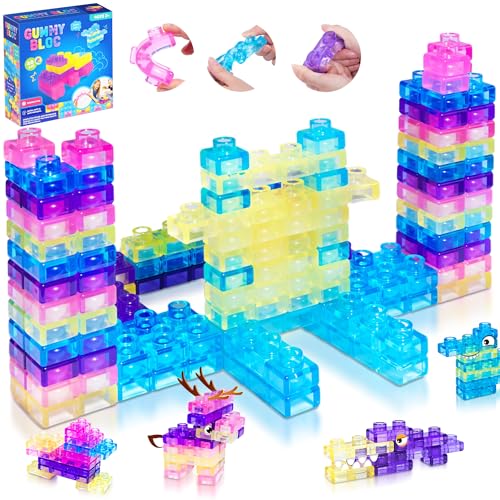
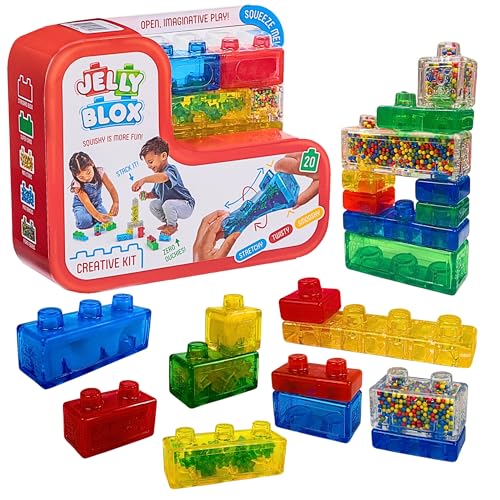
Soft Building Blocks: Safe, Creative & Educational Play for Toddlers
Discover why soft blocks are the perfect first construction toy. From motor skills to imaginative play, find the ideal set for your child's development.
Explore Top Soft Building BlocksSoft building blocks are more than just colorful foam shapes—they are a gateway to a world of safe, sensory-rich exploration for babies and toddlers. Unlike traditional wooden or plastic blocks, these pliable, lightweight bricks are designed to be gentle on little hands, homes, and developing bodies. They encourage fine motor skills, spatial awareness, and early problem-solving, all while being completely chewable and drop-proof. For parents seeking the ideal first construction toy, soft blocks offer the perfect balance of fun, learning, and safety.
In this comprehensive guide, we'll explore the benefits of soft building blocks, key features to look for, creative play ideas, and how to choose the perfect set for your child's age and stage. Whether you're shopping for a baby shower, a first birthday, or simply looking to enhance your toddler's playroom, this guide will help you make an informed and confident choice.
Why Choose Soft Building Blocks?
🧸 Safety First
Made from non-toxic, BPA-free foam with rounded edges. Soft texture protects little ones from bumps and bruises during enthusiastic play.
🧠 Developmental Power
Promotes fine motor skills, hand-eye coordination, color recognition, and spatial reasoning. A foundational educational toy for early learning.
🌟 Sensory Exploration
Different textures, bright colors, and subtle sounds (squeakers, rattles) engage multiple senses, supporting cognitive and sensory development.
🏡 Parent-Friendly
Lightweight, quiet, and easy to clean. Soft blocks are durable, stackable, and won't damage floors or furniture. Ideal for indoor play.
How to Choose the Best Soft Building Blocks
When selecting soft building blocks, consider your child's age, developmental stage, and play preferences. Here are the most important factors to evaluate:
- Age Appropriateness: For babies (6-12 months), look for blocks with different textures, bright colors, and built-in rattles or squeakers. For toddlers (1-3 years), larger sets with more pieces and varied shapes (like arches, cylinders, and triangles) encourage more complex building and creative play.
- Material Safety: Always choose blocks made from high-quality, non-toxic, BPA-free and phthalate-free foam. Ensure they are free from small parts that could pose a choking hazard.
- Size & Weight: Blocks should be large enough to prevent choking (at least 1.5 inches in diameter) and lightweight enough for little hands to lift and stack easily.
- Washability: Accidents happen. Choose blocks that are easy to wipe clean or are machine-washable to maintain hygiene.
- Versatility: Sets that include a variety of shapes and colors offer more play value and can be used for sorting, counting, and matching activities as your child grows.
💡 Pro Tip for Parents
Start with a set of 10-20 blocks for babies, and expand to larger, more diverse sets (30-100 pieces) as your toddler's skills advance. Soft blocks are a wonderful gift for 1-year-olds and remain engaging well into the preschool years.
Creative Play Ideas with Soft Building Blocks
Soft building blocks are incredibly versatile. Beyond stacking and knocking down, try these engaging activities to maximize your child's learning and fun:
- Color & Shape Sorting: Encourage your child to group blocks by color or shape. This builds early math and categorization skills.
- Stacking Challenges: See how tall they can stack before the tower tumbles. This teaches cause and effect, persistence, and problem-solving.
- Imaginative Play: Use blocks to build bridges, roads, houses, or animals. Pair them with play food or finger puppets for story-building adventures.
- Nesting & Arranging: Show your child how to line up blocks from smallest to largest, or create patterns and sequences.
- Sensory Bins: Add soft blocks to a sensory bin with other safe items for a rich, exploratory play experience.
Safety & Care Tips
To ensure your soft building blocks remain a safe and long-lasting toy, follow these simple care and safety guidelines:
- Regular Inspection: Check blocks periodically for tears, loose seams, or damage. Discard any damaged blocks immediately.
- Cleaning: Most foam blocks can be wiped with a mild soap and water solution. For a deeper clean, some sets are machine-washable (always check the manufacturer's instructions).
- Storage: Keep blocks in a cool, dry place away from direct sunlight to prevent fading and material degradation. A toy box or storage bin works perfectly.
- Supervision: While soft blocks are safe, always supervise young children during play to ensure they don't chew off small pieces.
✨ Long-Term Value
Quality soft building blocks are an investment in your child's development. They grow with your child, transitioning from simple stacking to complex construction and imaginative scenarios. They are a staple in any well-organized playroom.
Our Expert Recommendation: For babies and toddlers, we recommend starting with a colorful, textured set of at least 10-15 pieces. Look for blocks that include a mix of shapes (cube, rectangle, triangle, arch) and incorporate sensory elements like crinkle paper or soft mirrors. For older toddlers, larger sets with more pieces and connectors (like soft building blocks with pegs) encourage more advanced building and problem-solving skills. Many parents find that soft blocks are one of the most-used toys in the early years, offering endless opportunities for learning and joy.
Ready to find the perfect set? Browse our curated selection of top-rated soft building blocks below, and give your child the gift of safe, creative, and educational play.