Finger Puppets: The Ultimate Guide to Creative Play & Storytelling
From classic animal sets to storybook characters, discover how finger puppets boost imagination, language, and fine motor skills. Find the perfect set for your little storyteller.
Shop Top-Rated Finger PuppetsWhat Are Finger Puppets?
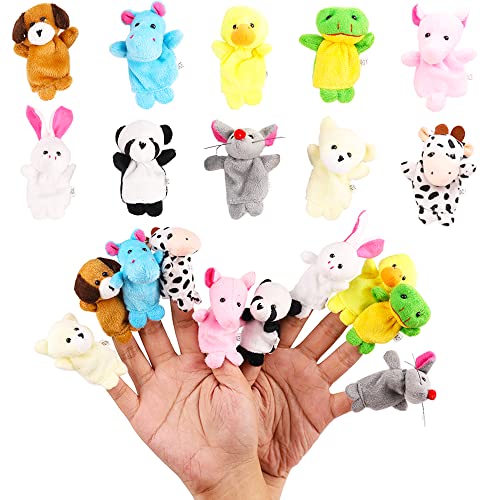
Finger puppets are small, soft figures that fit onto a single finger. They are one of the most versatile and beloved classic toys for children. Unlike larger hand puppets, finger puppets allow for intimate, detailed storytelling and are perfect for on-the-go play. They are typically made from felt, fabric, rubber, or silicone and come in countless designs—animals, people, monsters, and fantasy characters.
What makes finger puppets truly special is their ability to transform a simple story into a captivating performance. They are not just toys; they are tools for play-based learning that grow with your child. From a baby’s first introduction to cause-and-effect to a preschooler's elaborate fairy tales, finger puppets offer endless opportunities for creativity, language development, and emotional expression.
Why Finger Puppets Are Great for Child Development
Finger puppets are much more than simple playthings—they are powerful educational tools. Here are some key benefits:
- Language & Literacy: Finger puppets encourage storytelling, dialogue, and narrative skills. They are a fantastic tool for bringing stories to life and can help children who are reluctant readers to engage with books.
- Fine Motor Skills: Manipulating small puppets helps strengthen the small muscles in fingers and hands, which is crucial for writing, drawing, and other precision tasks.
- Social-Emotional Development: Children use puppets to act out feelings, resolve conflicts, and explore different social roles. This builds empathy and emotional intelligence.
- Imagination & Creativity: Finger puppets are open-ended, allowing children to create their own characters, plots, and worlds, fostering divergent thinking.
- Communication & Social Skills: Putting on a puppet show encourages children to speak clearly, listen, and collaborate with others—essential skills for school and life.
Whether you’re a parent, teacher, or caregiver, finger puppets are an invaluable addition to your child’s toy collection, offering a unique blend of fun and educational value.
Types of Finger Puppets: Finding the Best Set
Finger puppets come in a delightful variety. Knowing the different types can help you choose the best set for your child's age and interests.
- Animal Finger Puppets: Classic and always popular. From farm animals (pigs, cows, ducks) to jungle creatures (monkeys, lions, elephants), these are perfect for teaching animal names and sounds. They are often a child's first introduction to finger puppets.
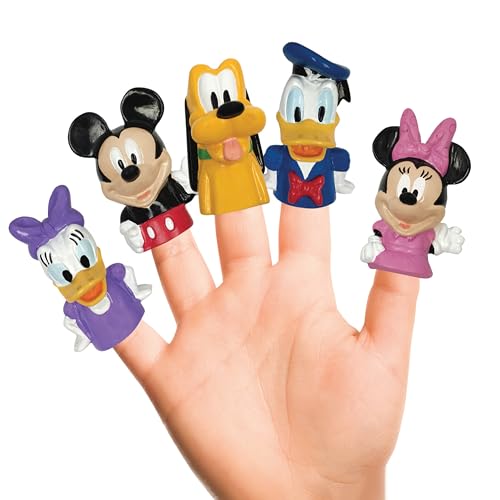
- Character Finger Puppets: These represent popular storybook characters, fairy tale figures, or even family members (like a set of grandparents). They are fantastic for pretend play toys and dramatizing favorite stories.
- Fantasy & Fairy Tale Puppets: Dragons, unicorns, witches, and knights. These encourage imaginative storytelling and are great for fantasy toys enthusiasts.
- Monster & Silly Puppets: Fun, quirky characters that encourage laughter and silliness. These are great for overcoming fears and exploring "scary" things in a safe way.
- Educational/Themed Puppets: Some sets are designed to teach specific concepts, like the alphabet, numbers, or emotions. These are excellent educational toys for toddlers and preschoolers.
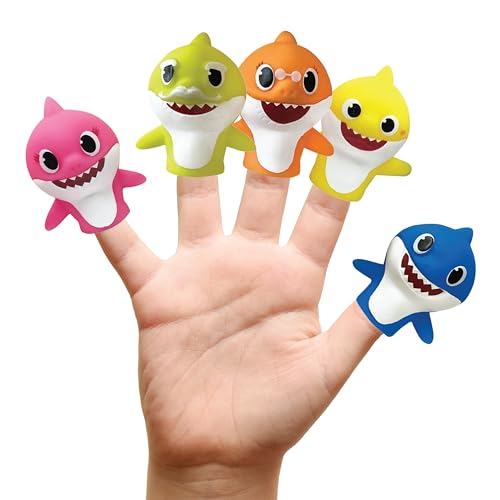
- Material-Based: Puppets can be made of soft felt, durable silicone, or even wood. Felt is traditional and soft, silicone is easy to clean and great for sensory baby toys, and wooden puppets are durable and have a classic feel.
Creative Ways to Play with Finger Puppets
Finger puppets are incredibly versatile. Here are some ideas to inspire playtime:
- Storytelling & Retelling: Use puppets to act out a story from a book, or create a brand new one. This is a wonderful activity for play-based learning and can be as simple or elaborate as you like.
- Sing-Alongs: Pair puppets with nursery rhymes and songs. For example, use an animal puppet for "Old MacDonald" or a spider puppet for "Itsy Bitsy Spider."
- Impromptu Theater: Build a simple "stage" from a shoebox or a couch cushion. Create a narrative with a beginning, middle, and end. This encourages imaginative play ideas.
- Emotion Play: Use puppets to act out common feelings (happy, sad, scared, excited). This helps children understand and articulate their own emotions and build empathy.
- On-the-Go Entertainment: Finger puppets are small and lightweight, making them perfect travel toys guide for car rides, airplanes, or restaurant waits.
- Calm-Down Tool: Using puppets can be a soothing, quiet activity that helps children unwind. They can also be used as a tool to practice breathing and mindfulness.
How to Choose the Right Finger Puppet Set
With so many options available, here's a quick guide to help you find the perfect set:
- Age: For babies and young toddlers, choose large, easy-to-grip puppets made from safe, washable materials like silicone or soft rubber. For preschoolers and older kids, more detailed felt or fabric sets with a variety of characters are ideal.
- Material: Consider durability and ease of cleaning. Felt puppets are charming but can be harder to clean. Silicone puppets are dishwasher-safe and great for babies who mouth toys.
- Theme: Choose a theme that aligns with your child's current interests—animals, fairy tales, vehicles, or even a set of family figures.
- Set Size: A set of 4-6 puppets is a great starting point. Larger sets (10-12) offer more variety and are better for group play and elaborate stories.
- Educational Value: Look for sets that can help teach letters, numbers, or emotions to add an educational layer to playtime.
*Remember, the best toy is one that matches your child's developmental stage and interests. Finger puppets are a timeless classic toy that provides joy and learning for years to come.