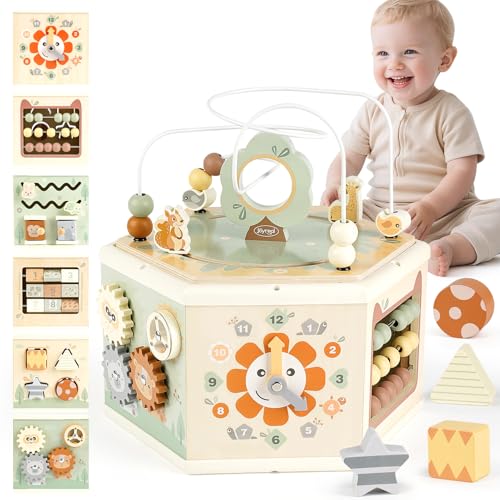
Activity Cube: The Ultimate 5-in-1 Learning Center for Toddlers
Discover how a single activity cube can transform playtime into a rich developmental experience for your little one. Our expert guide covers everything you need to know — from key features to top picks and buying tips.
SEE TOP ACTIVITY CUBES →🧸 What is an Activity Cube? An activity cube is a multi-sided, 5-in-1 play center designed for toddlers (ages 12 months to 4 years). It typically features a variety of activities — like shape sorters, bead mazes, spinning gears, and sliding puzzles — all in one compact, safe wooden or plastic cube. It's a powerhouse of learning that grows with your child, making it one of the most popular toy guides for early childhood.
Why Choose an Activity Cube for Your Toddler?
Activity cubes are more than just toys — they're developmental powerhouses. They help toddlers master fine motor skills, problem-solving, cause-and-effect, and hand-eye coordination through hands-on, screen-free play. Unlike single-purpose toys, a well-designed activity cube grows with your child, offering new challenges as they develop.
🌟 Fine Motor Skills
Turning gears, sliding beads, and fitting shapes into holes strengthen tiny hand muscles and improve dexterity — essential for writing and self-care later.
🧠 Cognitive Development
Activities like shape sorting and puzzles teach problem-solving, spatial awareness, and early math concepts like size, color, and pattern recognition.
👶 Sensory Exploration
Bright colors, varied textures, and moving parts stimulate multiple senses, keeping toddlers engaged while supporting sensory integration.
⏳ Independent Play
Activity cubes encourage self-directed play, giving parents a few precious moments of quiet while toddlers explore and learn at their own pace.
Key Features to Look For
Not all activity cubes are created equal. When shopping for the perfect cube, pay attention to these critical features to ensure safety, durability, and maximum learning value.
- Variety of Activities: Look for at least 4-5 different activities — shape sorter, bead maze, spinning gears, sliding animals, and a wire maze. More variety means longer-lasting engagement.
- Safe, Durable Materials: Choose solid wood (like rubberwood) with non-toxic, water-based paints. Avoid cheap plastics that may break or contain harmful chemicals.
- Sturdy Construction: The cube should be stable and not tip over when your child leans on it. A heavy base is a good sign of quality.
- Rounded Edges: All corners and edges must be smooth and rounded to prevent injuries — a must for active toddlers.
- Age-Appropriate Design: Some cubes are designed for younger toddlers (12-24 months) with larger, simpler pieces, while others suit older toddlers (2-4 years) with more complex challenges.
Top Activity Cube Picks for 2026
Based on expert reviews, safety ratings, and real parent feedback, here are the best activity cubes that deliver outstanding quality and developmental value.
How to Choose the Right Activity Cube for Your Child
Choosing the right activity cube depends on your child's age, interests, and developmental stage. Here's a quick guide to help you decide.
👶 12-18 Months
Look for cubes with larger, easy-to-grasp pieces, bright colors, and simple cause-and-effect activities like spinning gears or sliding panels.
👉 See also: sensory baby toys
🧒 18-24 Months
Choose cubes with shape sorters, bead mazes, and matching games to challenge emerging problem-solving skills and fine motor coordination.
👉 Check out: hands-on toys for 2-year-olds
🧩 2-4 Years
Opt for cubes with more complex puzzles, number or letter activities, and multi-step challenges that encourage logical thinking and patience.
👉 Explore: hands-on toys for 3-year-olds or for 4-year-olds
Safety & Maintenance Tips
- Regular Inspections: Check for loose parts, splinters, or worn-out pieces. Tighten screws and replace damaged parts immediately.
- Cleaning: Wipe down with a damp cloth and mild soap. Avoid harsh chemicals that could damage the finish or harm your child.
- Storage: Keep the cube on a flat, stable surface. Avoid placing it near stairs or on elevated furniture where it could fall.
- Supervision: Always supervise play, especially with younger toddlers who might try to put small parts in their mouths.
Frequently Asked Questions
At what age can a child use an activity cube?
Most activity cubes are designed for children aged 12 months to 4 years. Always check the manufacturer's age recommendation to ensure safety and developmental appropriateness.
Are activity cubes worth the investment?
Absolutely! A high-quality activity cube provides years of play and learning. It's one of the best toy guides investments for early childhood development, offering multiple activities in one durable toy.
How do I clean a wooden activity cube?
Use a soft, damp cloth with a little mild soap. Never submerge in water, as this can warp the wood and damage the paint. Dry immediately with a soft towel.
What's the difference between a wooden and plastic activity cube?
Wooden cubes are generally more durable, eco-friendly, and have a classic, timeless feel. Plastic cubes are lighter and often more colorful, but may not last as long. Wood is typically the preferred choice for longevity and safety.
Can activity cubes help with sensory processing?
Yes! The varied textures, bright colors, and moving parts provide excellent sensory input, making activity cubes great for children who benefit from sensory bins or sensory baby toys.
Ready to find the perfect activity cube for your little one? Browse our top recommendations below and choose the one that best fits your child's age and interests. Every purchase supports our mission to provide expert, unbiased toy guides.