Hands-On Toys for 4 Year Olds: The Complete Guide
Four is the age of "why" and "how." It's when fine motor skills sharpen, imagination takes flight, and children learn best by doing. Here's how to choose hands-on toys that genuinely spark development—not just entertainment.
Explore Top Picks🧩 What Makes a Toy "Hands-On"? A hands-on toy actively engages a child's fingers, wrists, and coordination—rather than passively watching or listening. For 4-year-olds, the best hands-on toys balance challenge with achievable success, building confidence while strengthening the small muscles needed for writing, drawing, and daily self-care.
Why Hands-On Play Matters at Age Four
At four years old, children are in a critical window for fine motor development. Their hands are transitioning from whole-hand grasps to more precise pincer movements. Hands-on toys directly support this transition—and the research is clear: children who engage in structured manipulation play show measurable gains in dexterity, focus, and problem-solving compared to passive screen time.
Beyond motor skills, hands-on play at this age builds:
Key Developmental Benefits
- Fine motor control: Grasping, pinching, twisting, and stacking strengthen the muscles used later for handwriting.
- Hand-eye coordination: Precise placement and assembly train visual-motor integration.
- Bilateral coordination: Tasks that require two hands working together—like threading or building—build neural pathways.
- Executive function: Planning a build, following a sequence, or completing a puzzle strengthens attention and working memory.
- Creative confidence: Open-ended toys let children test ideas without a "wrong" answer.
Types of Hands-On Toys That Work Best for 4-Year-Olds
Not all hands-on toys are equal. At this age, the sweet spot is toys that offer just enough resistance—challenging enough to build skill, but not so difficult that frustration wins. Below are the categories that consistently deliver the best developmental returns.
Building & Construction Sets
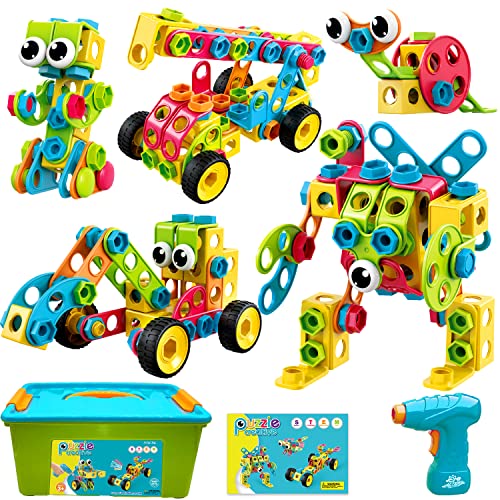
Interlocking blocks, magnetic tiles, and beginner engineering sets teach spatial reasoning, patience, and the joy of creating something from scratch. Look for pieces sized for smaller hands with smooth edges and satisfying snaps.
Threading & Lacing Toys
Beads, laces, and peg boards demand precise pincer grasps. They're quietly powerful for building the exact finger control children need for writing later. Choose chunky beads and thick laces for early success.
Play Dough & Sensory Compounds
Squeezing, rolling, and shaping dough is one of the most effective hand-strengthening activities available. Add tools like rollers and cutters to extend the play and introduce simple cause-and-effect.
Puzzles & Manipulatives
From 24-piece jigsaw puzzles to pattern blocks, these toys train visual discrimination and fine motor precision. Start with larger pieces and progress to smaller, more intricate designs as skill grows.
Art & Craft Kits
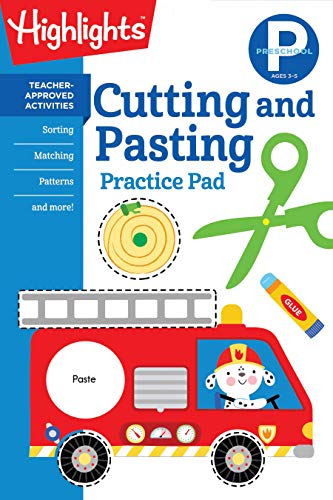
Scissors, glue sticks, stampers, and stencils build hand strength and coordination. At four, children can begin using safety scissors—a major milestone that hands-on craft play directly supports.
Pretend Play with Manipulation
Toy kitchens with real twisting knobs, doctor kits with syringes, and tool benches with screws all combine imagination with physical dexterity. These are the ultimate "sneaky learning" toys.
Choosing the Right Tier for Your Child
When selecting hands-on toys, think in terms of quality tiers rather than brands. This framework helps you match the toy's construction and complexity to your child's needs and your family's preferences.
- Essential Tier Simple, durable toys that cover core developmental needs—chunky puzzles, basic building blocks, and large beads. These are solid choices for introducing a skill and are competitive within their class.
- Balanced Tier Toys with more pieces, finer mechanisms, and richer play potential. Mid-range sets often offer better interlocking precision and more open-ended build options than entry-level alternatives. Feature-rich for the category.
- Premium Tier Heirloom-quality wooden sets, precision-engineered magnetic tiles, and multi-stage building kits. These are a long-term investment—designed to withstand years of play and often passed down to younger siblings. Worthwhile investment for families who prioritize durability.
- Top-Tier / Professional-Grade Specialty educational sets used in Montessori and preschool classrooms. These offer the highest quality materials and the most carefully sequenced learning progressions. Well-specified for the category and ideal for families deeply invested in developmental play.
What to Look For (and Avoid)
When evaluating hands-on toys for a four-year-old, keep these practical criteria in mind:
Buying Checklist
- Safety first: No small parts that fit through a toilet-paper tube (choking hazard). Non-toxic finishes and paints are essential. Check for rounded edges and sturdy construction.
- Appropriate challenge: The toy should be just beyond current ability—achievable with effort, not frustration. Look for adjustable difficulty or progressive sets.
- Durability: Four-year-olds are not gentle. Solid build quality and reinforced joints matter more than flashy features.
- Open-ended potential: A toy with one "correct" outcome has limited replay value. The best hands-on toys allow multiple ways to play.
- Sensory appeal: Texture, weight, and sound matter. Wooden toys feel different from plastic; both are valid, but variety enriches sensory experience.
For children who need extra support with coordination, consider starting with hand-eye coordination toys for 3-year-olds before moving to the more complex 4-year-old options. Similarly, if your child is highly active, indoor climbing toys for 4-year-olds can complement tabletop hands-on play with gross motor movement.
Hands-On Play Ideas You Can Start Today
You don't need a toy store to begin. Many of the most effective hands-on activities use materials you already have:
Threading with Straws
Cut drinking straws into short segments and have your child thread them onto a shoelace. Simple, effective, and builds pincer grip.
Play Dough "Bakery"
Set up a pretend bakery with dough, cookie cutters, and a rolling pin. Rolling and cutting strengthen wrists and hands.
Block Tower Challenge
Ask your child to build the tallest tower possible, then count the blocks together. Combines fine motor, math, and fun.
Sticker Collage
Peeling and placing stickers is deceptively powerful for finger strength and precision. Provide a sheet of stickers and blank paper.
For more creative indoor options, explore our imaginative play ideas that pair beautifully with hands-on toys.
Frequently Asked Questions
What if my 4-year-old still mouths toys?
Mouthing is still common at four, especially during teething phases or sensory exploration. Choose toys labeled non-toxic and avoid small parts. Supervise play with beads or small manipulatives.
How many toys should a 4-year-old have access to at once?
Fewer is often better. A toy rotation system—keeping 6–8 hands-on toys accessible and storing the rest—reduces overwhelm and increases focused play. Rotate every few weeks.
Are digital toys ever hands-on?
Some interactive tablets and coding toys involve physical manipulation, but they don't replace open-ended tactile play. Use them as a supplement, not a substitute, for blocks, dough, and puzzles.
My child gets frustrated easily. What helps?
Start with toys slightly below their frustration threshold—success builds persistence. Gradually introduce more complex sets as confidence grows. For children who need extra support, coordination-focused toys can bridge the gap.
Ready to Find the Perfect Hands-On Toy?
Our expert-curated list below features the best hands-on toys for 4-year-olds—selected for developmental value, safety, and lasting play appeal.
See Recommended Toys