Toy Guides: Expert Advice for Choosing the Best Toys
Navigate the world of toys with confidence. Our comprehensive guides cover age-appropriate recommendations, safety standards, developmental benefits, and practical buying advice for every child.
Explore Toy Guides🧸 Why Toy Guides Matter: The right toy can spark curiosity, build skills, and create lasting memories. But with thousands of options available, choosing wisely is essential. Our toy guides break down the selection process into clear, actionable advice so you can find toys that are safe, engaging, and genuinely beneficial for your child's stage of development.
Age-Appropriate Toy Selection
Every child develops at their own pace, but age ranges provide a reliable framework for choosing toys that match physical abilities, cognitive skills, and safety requirements. Use these guidelines as a starting point for informed decisions.
Infants (0–12 Months)
During the first year, babies explore through their senses. Look for toys that stimulate sight, sound, and touch while being completely safe for mouthing.
- High-contrast patterns and soft rattles
- Teething-friendly materials
- Unbreakable mirrors for tummy time
- Simple stacking and sensory toys
Toddlers (1–3 Years)
Toddlers are mobile, curious, and eager to imitate. Toys that encourage movement, pretend play, and early problem-solving work best at this stage.
- Push-and-pull walkers
- Shape sorters and large peg puzzles
- Pretend play sets like play kitchens
- Durable board books and musical toys
Preschoolers (3–5 Years)
Imagination takes center stage. Preschoolers benefit from toys that support storytelling, cooperative play, and fine motor development.
- Building blocks and magnetic tiles
- Dress-up costumes and role-play sets
- Arts and crafts supplies
- Simple board games for turn-taking
School Age (6–12 Years)
Older children seek mastery, challenge, and social connection. Choose toys that develop skills, encourage teamwork, and spark deeper interests.
- STEM kits and coding toys
- Strategy games and complex puzzles
- Remote-control vehicles and drones
- Advanced building sets and model kits
For more focused recommendations, explore our toys for 9–12 year olds and top toys for two year olds guides. If you are shopping for a specific age, our top 10 toys for 1 year olds and top-rated toys for 4 year olds lists can help narrow your search.
Toy Safety Essentials
Safety is the foundation of every good toy choice. Before purchasing, always check age labels, material quality, and potential hazards. These are the key factors to verify.
Age Label Verification
Age recommendations on packaging are not marketing suggestions — they are safety guidelines based on choking hazards, material composition, and developmental appropriateness.
- Always match the label to your child's actual abilities
- Small parts are unsuitable for children under 3
- Check for small magnets and button batteries
Material and Build Quality
Durable construction reduces the risk of breakage that can create sharp edges or loose components. Prioritize toys with solid build quality and non-toxic finishes.
- Look for smooth, burr-free surfaces on wooden toys
- Verify non-toxic paint and BPA-free plastics
- Check stitching integrity on plush toys
Supervision and Maintenance
Even the safest toys require adult oversight, especially for younger children. Regular inspection helps catch wear and tear before it becomes a hazard.
- Inspect toys periodically for cracks or loose parts
- Clean plush and plastic toys according to instructions
- Remove damaged toys from circulation immediately
Understanding Toy Quality Tiers
Toys fall into distinct quality and feature tiers. Understanding these tiers helps you align your expectations with what a product actually delivers — without relying on numeric comparisons.
| Tier | Best For | Typical Characteristics |
|---|---|---|
| Starter Tier | First-time buyers, casual play | Essential features, standard materials, simple mechanisms |
| Mid-Tier | Regular use, growing collections | Improved durability, more detailed design, smoother operation |
| High-End Tier | Enthusiasts, long-term use | Premium materials, reinforced construction, refined mechanics |
| Top-Tier / Flagship | Collectors, maximum performance | Professional-grade components, exceptional finish, advanced features |
A mid-tier model typically offers smoother mechanisms and better durability than a starter-tier option, while a high-end tier product delivers noticeably refined construction and longevity. Matching the tier to your intended use ensures a satisfying ownership experience.
Pre-Purchase Checklist
Before finalizing any toy purchase, run through this checklist to ensure you are making a well-informed decision.
- Confirm the age recommendation matches the child's developmental stage
- Verify safety certifications and non-toxic material claims
- Read independent reviews for real-world durability feedback
- Check whether replacement parts or accessories are available
- Consider storage requirements and whether the toy fits your space
- Assess whether the toy encourages active, creative, or social play
- Look for toys that grow with the child through adjustable difficulty
Our toy reviews and toy gift guides provide detailed breakdowns of individual products to support this checklist. For parents looking to manage toy collections effectively, our toy rotation system guide offers a practical approach.
Playtime That Builds Skills
The best toys do more than entertain — they create opportunities for growth. When selecting toys, consider how they support these developmental areas.
Cognitive Development
Puzzles, building sets, and strategy games strengthen problem-solving, spatial reasoning, and memory. Look for toys with progressive difficulty levels.
Physical Development
Ride-on toys, sports equipment, and outdoor play gear build gross motor skills. Fine motor development benefits from arts, crafts, and manipulative toys.
Social and Emotional Growth
Pretend play sets, cooperative board games, and group activities teach sharing, negotiation, and empathy — essential life skills wrapped in fun.
Creative Expression
Art supplies, building blocks, and open-ended toys encourage imagination. These toys have no single correct outcome, which fosters creativity and confidence.
Frequently Asked Questions
How do I know if a toy is appropriate for my child's age?
Start with the manufacturer's age label, then assess your child's individual abilities. A child who still mouths objects should avoid toys with small parts regardless of age. When in doubt, choose a simpler toy and introduce complexity as skills develop. Our age-specific guides provide detailed recommendations for every stage.
Are wooden toys better than plastic toys?
Both materials can be excellent. Wooden toys offer durability and a natural aesthetic, while plastic toys often allow more intricate designs and moving parts. The key is build quality and safety certification, not material alone. Look for smooth finishes, non-toxic coatings, and solid construction in either category.
What should I look for when buying educational toys?
Effective educational toys engage multiple senses, offer clear learning objectives, and adapt to growing skill levels. Avoid toys that are purely electronic with passive consumption. Hands-on toys like building sets, science kits, and puzzles typically deliver stronger developmental benefits. See our toy reviews for specific product assessments.
How often should I rotate my child's toys?
A rotation cycle of every two to four weeks works well for most families. Store a portion of toys out of sight and swap them in periodically. This keeps engagement high and reduces clutter. Our toy rotation system guide explains the process in detail.
What are the most important safety features to check?
Prioritize age-appropriate labeling, non-toxic materials, and sturdy construction. Check for small parts, sharp edges, long cords, and button batteries. For plush toys, verify secure stitching. Always supervise play and inspect toys regularly for damage.
Making Confident Toy Choices
A well-chosen toy is an investment in a child's development and happiness. By understanding age-appropriate selection, safety requirements, quality tiers, and developmental benefits, you can make purchases that deliver real value. Use the frameworks in this guide alongside our detailed product reviews and gift guides to find toys that will be loved, used, and remembered.
Whether you are shopping for a first birthday, a holiday gift, or simply adding to a growing collection, the right information leads to the right choice. Explore our full range of toy gift guides and expert toy reviews to continue your research.
Top-Rated Toys Featured in Our Guides
⚠️ AFFILIATE DISCLOSURE: This website contains affiliate links. As an Amazon Associate, we earn from qualifying purchases. If you make a purchase through these links, we may receive a small commission at no additional cost to you. Read our full affiliate policy.
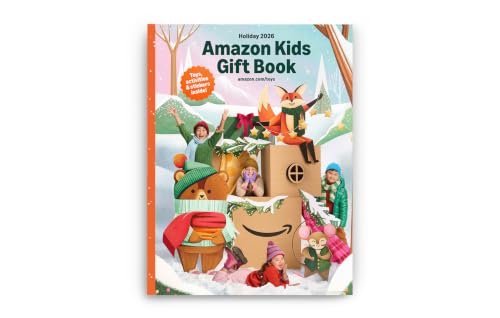
Amazon's Holiday Kids Gift Book 2026
Check price on Amazon
Bitzee Aquarium Interactive Fish Tank Toy & Digital Pet, Ages 5+ | Nurture 30 Virtual Fish, Reacts to Touch, Customize with LED Lights, Screen-Free Responsive Play, Birthday Gift for Kids
Check price on Amazon
VINTAGE TOY PRICE GUIDE: 2027 Edition
Check price on Amazon
Bostrom's Vintage Nylint Toy Guide: A Guide For Vintage Nylint Toy Collectors
Check price on Amazon
Taba Squishy Making Kit for Kids - Squishies Craft Kits - Gifts for Girls | Kids Crafts - 6 7 8 9 10 11 12 Year Old Girl Birthday Gift - Kids Crafts - Arts and Crafts for Kid for 8-12 - Toys for Girls
Check price on Amazon
Magnetic Building Blocks 3D Puzzle Cubes for Kids | Educational Preschool Magnet Building Toys for Toddlers,Christmas Birthday Gifts for 3 4 5 6 7 8+ Year Old Boys Girls
Check price on Amazon
Learning Resources STEM Explorers Magnet Movers | Magnet Science Kit, STEM Activity Set, Physics Exploration Toy, Critical Thinking Activity, Hands-On Learning for Kids
Check price on Amazon